
MBG Governance Overhaul: Public Expectations and Presidential Commitment
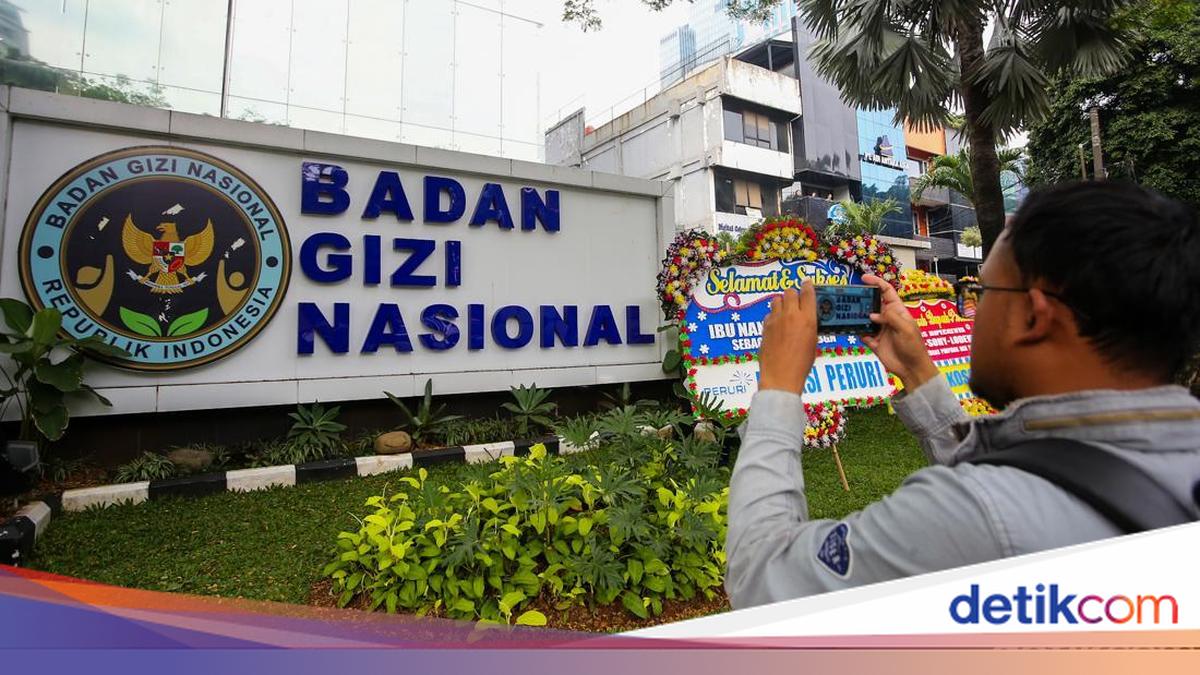
In rapid succession following the Pancasila Day commemoration on 1 June, President Prabowo took two decisive actions against the National Nutrition Agency (BGN) and the management of the Free Nutritious Meals Programme (MBG). These steps signal the government’s blend of democracy and technocracy to achieve the goals of a pro-people programme. Eradicating corruption and collusion is the President’s commitment to tackling the roots of structural violence against the vulnerable groups targeted by this strategic initiative, limiting the space for ‘serakanomics’ actors to exploit state resources.
First, on 2 June 2026, the President overhauled the BGN’s leadership, dismissing Dadan Hindayana, Sony Sonjaya, and Lodewyk Pusung. Nanik S Deyang, formerly the deputy for public communication and investigation, was appointed as the new head, alongside two new deputies, Agustina Arumsari and Major General Trenggono. Second, with presidential approval, the Attorney General’s Office detained the three former officials on 3 June 2026. They were named suspects in corruption related to the MBG programme’s management, including allegations of affiliation with SPPG partners through foundations they owned and mark-ups in the procurement of 21,801 electric motors, 32,000 pairs of shoes, and 5,400 75-inch televisions without vendor qualification.
Beyond the positive public response, these firm actions demonstrate the President’s seriousness in freeing the MBG programme from the clutches of economic-political oligarchies. The decision also reflects an accommodative political stance towards civil society aspirations, while ensuring legal certainty and justice for all stakeholders, most importantly fulfilling the human rights of pregnant women, breastfeeding mothers, and toddlers.
Governance Changes
For the public, the President has returned to the MBG’s original vision and mission: improving child nutrition to support learning and strengthening local economies. Children are the primary targets within the education and family welfare ecosystem, relying on the participation of local economic actors where schools are located. This makes the programme an integral part of regional education and economic growth.
The leadership change is the most crucial political step, followed by governance revisions as outlined by the new BGN head, Nanik S Deyang, in a press conference on 4 June 2026. Her appointment is seen as logical given her four-month prior role in conducting spot checks and addressing the real risks of chaotic, conflict-ridden governance under the previous leadership.
Four key governance changes have been introduced under Nanik’s leadership. First, Refocusing: prioritising quality over quantity, with the programme now concentrating on vulnerable groups—pregnant women, breastfeeding mothers, and toddlers (the ‘3B’ group)—and primary school children up to age nine. The 2026 target has been corrected from 82.9 million to a realistic 22 million beneficiaries. Second, a Moratorium on New Kitchens: BGN has halted the registration and construction of new SPPG service units to standardise the thousands of existing kitchens, ensuring they meet quality benchmarks to mitigate risks like food poisoning and to institutionalise a reward and punishment system. Third, Expansion to 3T Regions: the programme will be extended to disadvantaged, frontier, and outermost areas, sharpening the focus on the 3B group and poor primary school students by maximising the role of village and sub-district kitchens. Fourth, MBG Budget Efficiency: following a budget cut from IDR 335 trillion to IDR 268 trillion by the Finance Minister, BGN is pursuing alternative funding schemes outside the state budget, such as foreign and domestic grants, and CSR from state-owned and private corporations, to ensure long-term sustainability. These changes are reinforced by plans to utilise school canteens, public kitchens, and local facilities, creating a local education ecosystem that favours school communities, regional economic actors, and local government oversight.
Eradicating Rent-Seeking Economics
In a broader national interest, the governance overhaul aims to eradicate economic-political rent-seeking. The programme’s first one-and-a-half years serve as undeniable testimony that BGN, under Dadan Hindayana’s control, was allegedly turned into a feeding ground for a network of bureaucratic officials, politicians, party affiliates, and military and police personnel. It is hoped that the ongoing legal case and the testimony of Sony Sonjaya, who is cooperating as a justice collaborator, will provide detailed information on the corruption and collusion between former BGN leaders and other parties, particularly state actors.
Amid public optimism over the President’s firm stance, the MBG governance changes have a strategic impact on two fronts: democratic politics and law enforcement. This overhaul represents a convergence of public aspirations and the performance of legal authorities. For one and a half years, civil society criticised the MBG’s management, where the President’s good intentions were allegedly misused by Dadan and his associates, who translated a noble programme into a mere project for personal and group profit. Today, the governance of MBG has been corrected.