
MBG: A New Hope in the Highlands of Papua
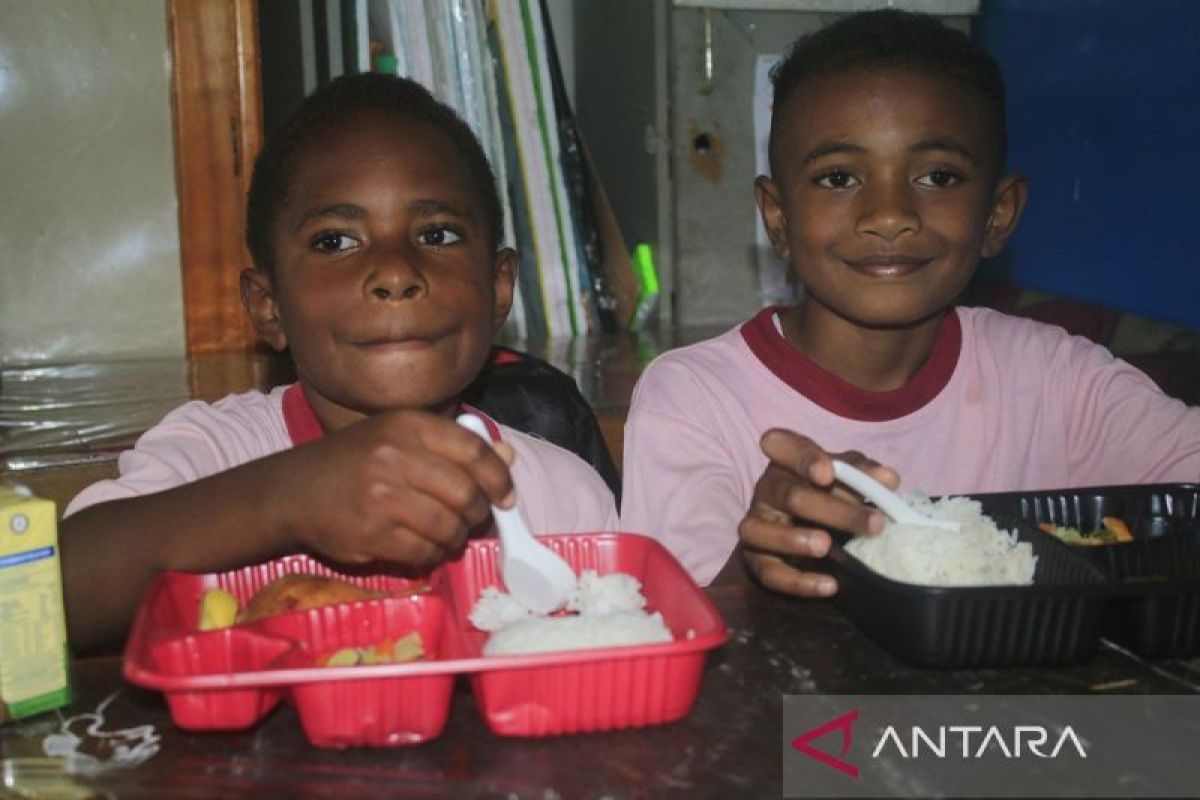
Wamena (ANTARA) - Children in the remote areas of the Papua Highlands typically head to school each morning consuming only carbohydrates sourced from tubers, such as cassava, sweet potatoes, and taro; occasionally, they attend school without any breakfast at all. This lack of nutrition likely results in different levels of concentration during lessons in primary, junior high, and senior high schools compared to their peers outside of Papua.
Through the Free Nutritious Meal (MBG) programme, which provides a complete nutritional profile in a single portion—including carbohydrates, animal protein, plant protein, vegetables, and fruit—it is hoped that the nutritional needs of children in remote Papua will be properly met. The food composition includes carbohydrate sources such as rice, maize, tubers, or sago; animal proteins such as fish, eggs, meat, and chicken; plant proteins like tofu, tempeh, and legumes; as well as vitamins, minerals, and fibre from green or coloured vegetables and fruits.
The Deputy Governor of Papua Highlands, Ones Pahabol, has been appointed by the Executive Committee for the Acceleration of Papua Special Autonomy Development (KEPPOKP) to symbolise the acceleration of the MBG programme in the Papua Highlands region. According to the second-highest official in the Papua Highlands Province, the MBG programme serves as the initial foundation for securing the future leadership of the region for the indigenous children of Jayawijaya, Lanny Jaya, Tolikara, Nduga, Yahukimo, Mamberamo Tengah, Pegunungan Bintang, and Yalimo.
To become future leaders, children from these eight regencies must be prepared from an early age, one method being through the provision of MBG, ensuring they can grow healthily and possess high intelligence. In addition to preparing quality nutrition, the younger generation in the Papua Highlands must also be supported by quality educational services, ranging from kindergarten and primary school to junior high, senior high, and higher education. To achieve this, the MBG programme must continue to operate optimally in the Papua Highlands.
Challenges
Implementing the MBG programme optimally in the Papua Highlands Province is not as simple as in other regions of Indonesia. There are numerous challenges posed by certain community groups who do not accept this national programme. Consequently, local governments, at both provincial and regency levels, continue to push forward and broaden the perspectives of the community to ensure the MBG programme is accepted as a method to accelerate physical, mental, and intellectual growth.