
Mbama Ritual: The Harvest Thanksgiving Tradition of the Ende People in NTT
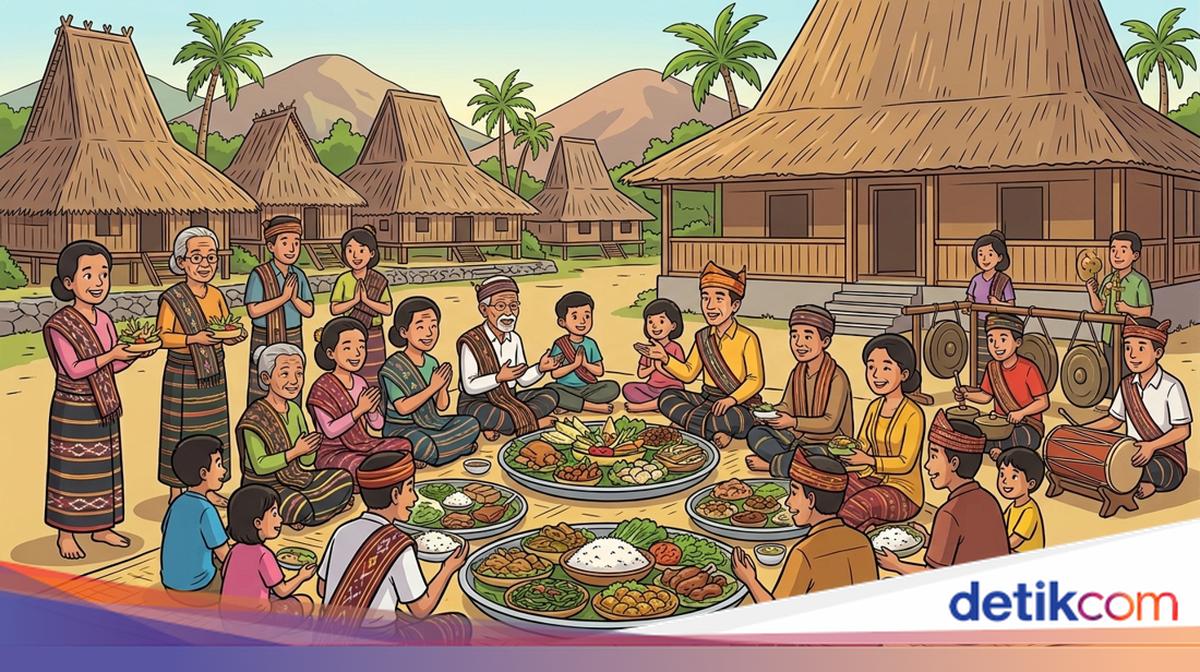
Indonesia is often touted as an agrarian country due to its extensive agricultural lands. Communities across the nation maintain traditions closely tied to agrarian culture. Beyond the planting season, agrarian societies also uphold customs during harvest time, such as the Mbama ritual performed by the Lio Ende people in Flores, East Nusa Tenggara (NTT), as an expression of gratitude for the harvest. Mbama is a tradition preserved across generations by the Lio Ende community. The ritual is typically held in June, when harvests are usually abundant. During Mbama, verses of praise, prayers, and hopes are recited. The ritual procession consists of three stages: preparation, implementation, and closing. In the preparation stage, the mosalaki pu’u, or tribal chief, invites tribe members to a meeting to determine the date of the Mbama and discuss the necessary materials, such as rice, chicken, pig, arak, coconut, and firewood, along with other supporting items like podo, hawa, henna, kidha, and kidhe. The implementation stage begins with the Ka Are Sewa Jala ceremony, which seeks blessings from the ancestors for the harvest and the ritual. This is followed by cooking rice for Mbama, reciting verses, dancing, and culminating in the presentation of offerings to the ancestors at home and on the hills. The closing stage, called Gawi Sia, is a complementary event often attended by residents from neighbouring villages. Once the guests have departed and the event concludes, the organisers clean the venue. For the Ende community, the Mbama ritual serves to invoke blessings for the harvest obtained. Praying to ancestors is a hallmark of Austronesian culture, and despite the arrival of Christianity and Catholicism in NTT, the tradition of ancestral veneration remains inseparable. The ritual also functions as a social adhesive, reflecting the communal nature of Indonesian society where family and kin gatherings are integral, especially during holidays and harvest seasons.