
Mazda Invests Over Rp400 Billion in First Indonesian Assembly Plant
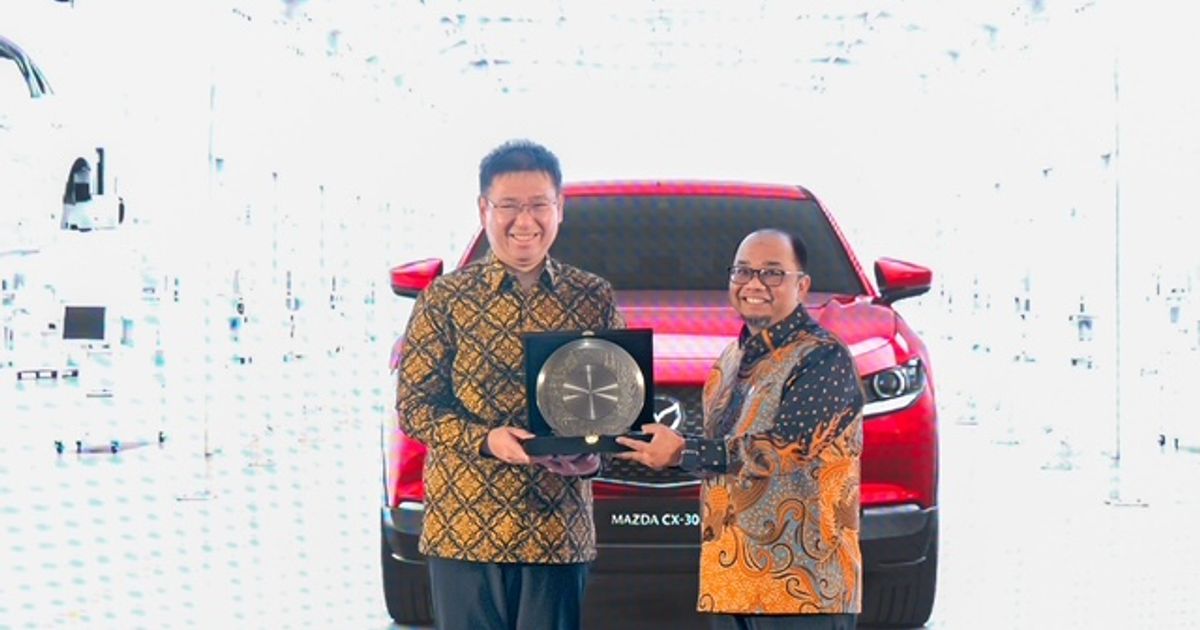
PT Eurokars Motor Indonesia (EMI) has inaugurated Mazda’s first assembly plant in Indonesia, located in Citeureup, Bogor Regency, West Java. The facility was built with an investment of more than Rp400 billion as part of the company’s long-term strategy. The Mazda plant stands on a land area of almost 65,000 square metres and adheres to Mazda’s global manufacturing standards to support premium vehicle production in Indonesia. President Director and Chief Operating Officer of PT Eurokars Motor, Ricky Thio, stated that the inauguration of the Mazda Indonesia Plant marks a significant milestone for the brand’s development in the country. ‘The inauguration of the Mazda Indonesia Plant is not just about presenting Mazda’s first assembly facility in Indonesia, but also laying the foundation for Mazda’s future in Indonesia. Through this investment, we are bringing Mazda’s global manufacturing standards while reinforcing our long-term commitment to grow with Indonesia and make a real contribution to the development of the national automotive industry,’ Ricky said in an official statement on Wednesday (29/7/2026). The company noted that the facility was specifically built to produce Mazda vehicles, with all production processes, equipment, and quality control systems designed according to the company’s global standards. Going forward, the plant is set to gradually increase its production capacity. Mazda also plans to expand the use of domestic components through collaboration with the national supporting industry. Director General of Metal, Machinery, Transportation Equipment, and Electronics (ILMATE) at the Ministry of Industry, Setia Diarta, assessed that the investment would strengthen the national automotive manufacturing industry. ‘We hope the presence of this facility can provide greater added value for the national economy through increased domestic manufacturing activity, strengthened technology transfer, human resource development, and expanded employment in the automotive sector,’ said Setia Diarta.