
May Day: Long-standing Labour Issues Remain Unresolved: Employment Status and JKP Still in the Spotlight
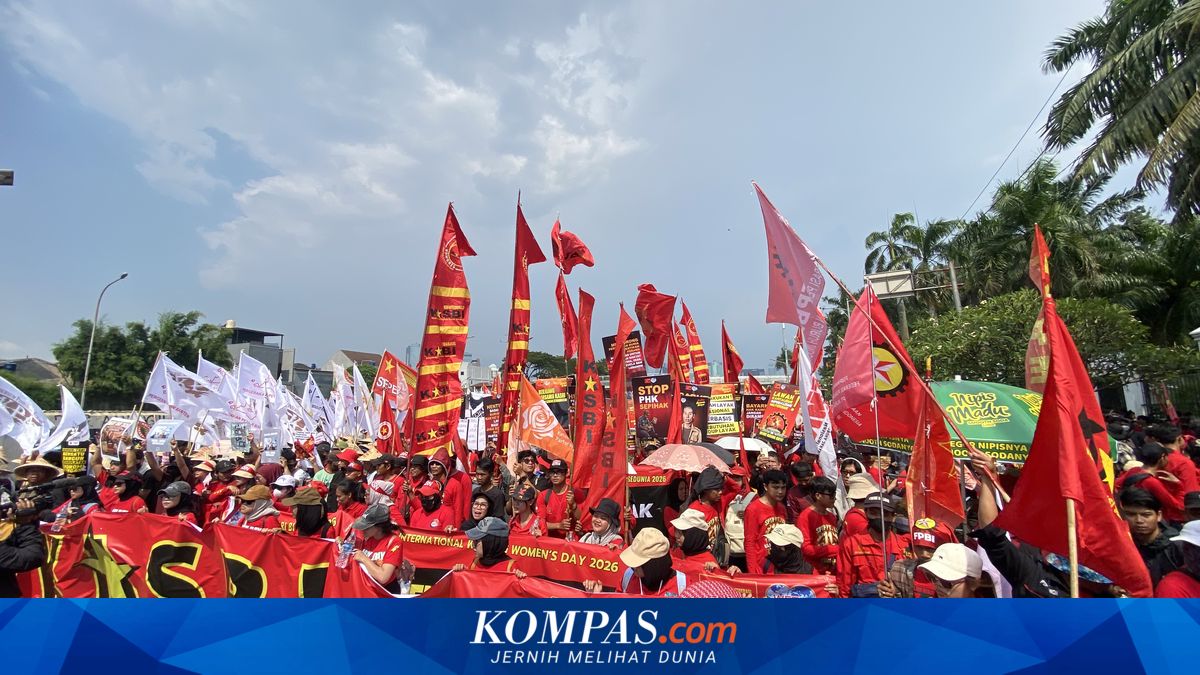
Amid various discussions on improving workers’ welfare, fundamental employment issues in Indonesia are still considered unresolved. From employment status uncertainties to the effectiveness of social security, several long-standing issues continue to recur every Labour Day commemoration. Professor at Airlangga University, Rahma Gafmi, assesses that current employment problems are not only related to wage levels but also concern job certainty and adequate social protection. “The main problem for workers is not just wages, but also certainty of employment status and guarantees when losing a job. This remains a major homework,” she told Kompas.com on Friday (1/5/2026). This work scheme is seen to make it difficult for workers to plan for the future, including accessing financing such as home ownership credit (KPR), and lacking severance pay certainty. In addition, government-implemented minimum wage increases are often deemed not fully enhancing workers’ welfare. This is because such increases are frequently eroded by inflation, particularly in food and energy prices. “Welfare is not just about rising salary figures, but also about maintained purchasing power. If inflation is high, wage increases may not be felt,” Rahma said. Amid the rising wave of layoffs (PHK), the effectiveness of the Job Loss Guarantee (JKP) programme also draws attention. This programme is expected to serve as a buffer for workers who lose their jobs, whether through cash assistance, training, or access to new job opportunities. However, JKP implementation is assessed as still needing strengthening to truly help workers adapt, including in enhancing skills (upskilling) or starting new businesses. Another issue arises from the development of the digital economy, particularly for workers in the gig economy sector such as online motorcycle taxi drivers. Their status, referred to as partners but with characteristics like formal workers, creates uncertainty in employment protection. On the other hand, balance in tripartite relations between government, employers, and workers is seen as the key to resolving these various issues. The government is expected to formulate fair and adaptive policies to economic conditions. Employers are also urged to comply with regulations and provide workers’ rights decently, while workers are expected to understand economic dynamics affecting business continuity. “This balance is important. If one side is overly burdened, the impact could be business closures or increased PHK,” Rahma said.