
May 2026 Trade Deficit: Economist Highlights Impact of Hormuz Strait Disruptions
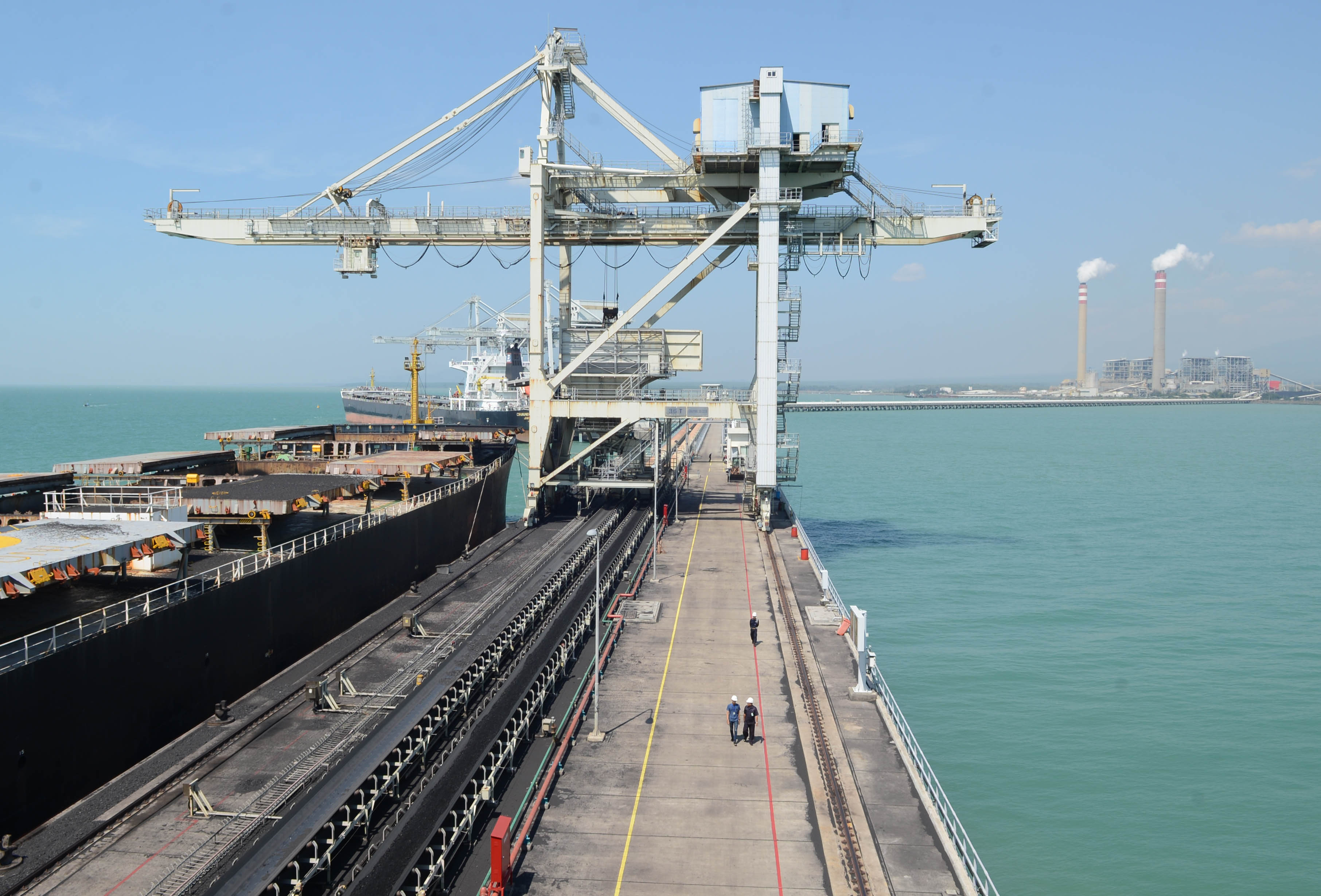
An economist from PT Bank Danamon Indonesia Tbk, Hosianna Evalita Situmorang, has provided an analysis of Indonesia’s trade balance performance for May 2026, which recorded a deficit of US$1.61 billion. This marks Indonesia’s first trade deficit after 72 consecutive months of surplus. The deficit was driven by imports reaching US$24.81 billion, a 22.16 per cent increase compared to May 2025, while export values fell 5.73 per cent year-on-year to US$23.20 billion. “Imports increased rapidly, primarily driven by rising oil and gas prices due to ongoing disruptions in the Strait of Hormuz throughout the month,” Hosianna stated on Wednesday (1/7). She added that the surge in imports occurred across all categories. Capital goods imports reached US$5.00 billion, up 12.70 per cent year-on-year, and raw material imports hit US$17.58 billion, a 25.17 per cent increase, despite the manufacturing PMI slowing to 50.0, reflecting continued growth in public sector imports. Consumer goods imports also rose to US$2.23 billion, a 21.99 per cent increase, indicating resilient demand amid high energy prices. On the export side, the 5.73 per cent decline to US$23.20 billion was attributed to a sharp drop in the value of jewellery, iron ore, and steel exports. The United States, with a surplus of US$7.03 billion, and India, with US$5.29 billion, remained Indonesia’s largest surplus contributors, while the bilateral deficit with China widened further to US$10.17 billion. Import growth continued to be dominated by machinery, accounting for 17.21 per cent of the total and growing 16.92 per cent year-on-year, and electrical equipment at 14.86 per cent of the total, up 14.48 per cent, mostly sourced from China despite the manufacturing slowdown. Plastic imports remained high at US$4.92 billion, representing 5.24 per cent of total imports and a 15.83 per cent increase, indicating the sustained impact of supply chain disruptions for petroleum derivative products.