
Maulid Nabi: History, meaning, and reasons for its commemoration
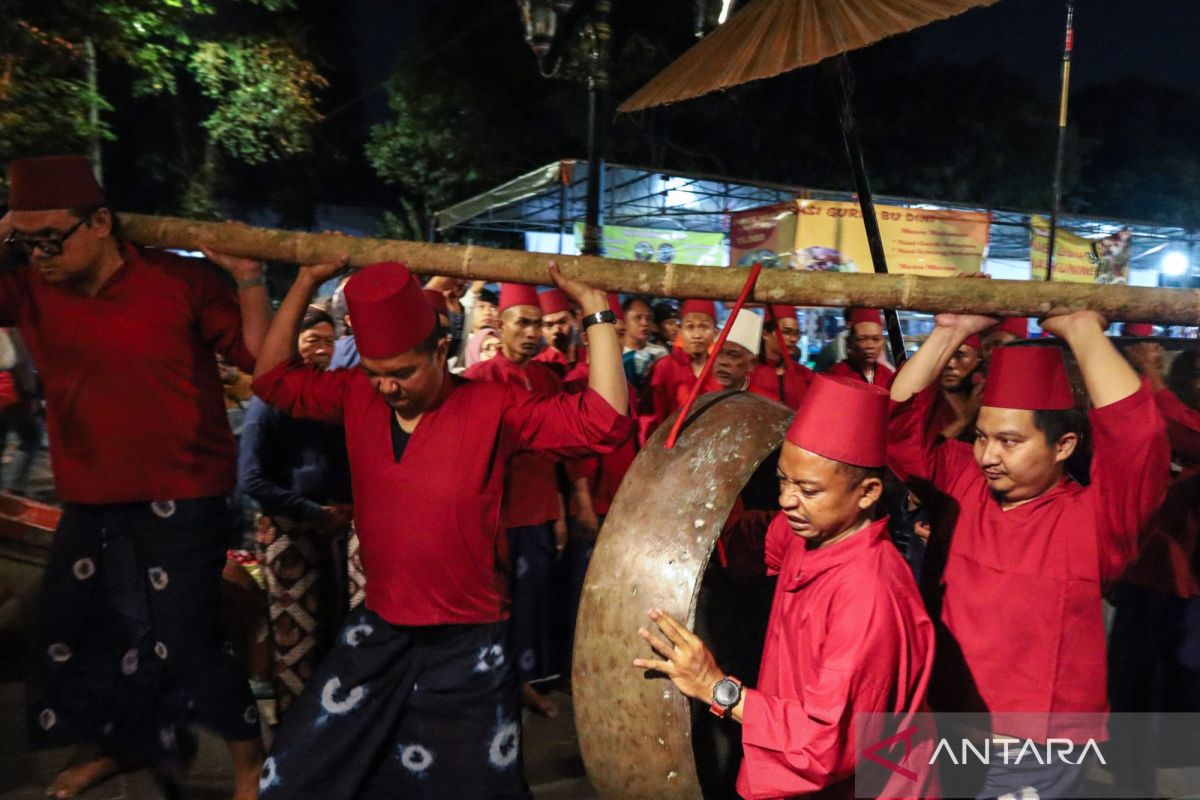
Maulid Nabi Muhammad SAW remains one of the religious traditions continuously observed by Muslims. This commemoration serves as a moment to remember the birth of the Prophet as well as to emulate his character and struggles.
Maulid comes from the Arabic word mawlid, meaning birth. In Muslim tradition, Maulid Nabi is generally observed on 12 Rabiul Awal, although there are differing opinions regarding the exact date of the Prophet Muhammad’s birth. The view of 12 Rabiul Awal is one of the most widely known in Indonesia.
Origins of Maulid Nabi
The commemoration of the Prophet Muhammad’s birth as a religious celebration was not carried out in the form of an annual tradition during the Prophet’s lifetime.
The historical development of the Maulid celebration has several versions. One account states that a large-scale commemorative tradition developed during the reign of Sultan Muzhaffaruddin Al-Kaukabri, ruler of Irbil, in the early 7th century Hijriah. The practice then developed into a tradition followed by Muslim communities in various regions.
In its development, the form of Maulid commemoration differs from one region to another. Activities can include recitation of the Quran, selawat, zikir, readings of the Prophet’s life history, religious study sessions, and sharing food.
In Indonesia, Maulid has also developed as part of community tradition. A number of regions even have distinctive forms of celebration that combine religious values with local culture. One such tradition is Walimah in Gorontalo, which involves zikir, recitation of selawat, and sharing food. The tradition is estimated to have developed since the 17th century.
Why is Maulid Nabi commemorated?
The commemoration of Maulid Nabi is not merely to remember the date of the Prophet’s birth. The occasion is also used to study again the life, struggles, and character of Prophet Muhammad.
In various Maulid commemorations, the story of the Prophet’s life is usually conveyed through study sessions or readings of the sirah nabawiyah. The aim is for the community not only to know the Prophet’s history but also to make his conduct an example in daily life.
The Quran also refers to the Prophet as an example for humanity. This is found in QS Al-Ahzab verse 21, which explains that in the Prophet there is a good example for those who hope for Allah and the Last Day and who remember Allah often.
At least several values can be drawn from the commemoration of Maulid Nabi.
- Increasing love for the Prophet
Remembering the birth and life journey of Prophet Muhammad can be a means of cultivating love for the Prophet. That love is then expected to be realised through efforts to follow his teachings and sunnah.
- Emulating the Prophet’s character
The Prophet is known as a figure who serves as an example in various aspects of life. Therefore, the Maulid commemoration can serve as a reminder to apply qualities such as honesty, patience, compassion, justice, and concern for others.
- Strengthening brotherhood
The Maulid commemoration is generally carried out collectively. Activities such as religious study sessions, selawat, communal meals, and sharing with others can serve as a means of strengthening relations among residents and reinforcing ukhuwah.
- Studying the Prophet’s history
Maulid is also an opportunity to become reacquainted with the Prophet’s life, from his birth and the period of struggle in spreading Islam to his exemplary conduct in social life.
The commemoration of Maulid Nabi does not take the same form throughout Indonesia. Each region has its own traditions in accordance with local culture.
In Gorontalo, for example, there is the Walimah tradition, which is filled with zikir and the distribution of food. The tradition is one form of blending Islamic values and local culture.
Meanwhile, in various other regions, communities commemorate it through religious study sessions, recitation of Barzanji, selawat, support for orphans, communal prayers, and social activities.
This diversity shows that the form of celebration can differ, while the values to be drawn remain centred on love for Prophet Muhammad and efforts to emulate his life.
Maulid Nabi is not merely ceremonial
The commemoration of Maulid Nabi ideally does not stop at ceremonial activities. The occasion can be used to evaluate the extent to which the values exemplified by the Prophet are applied in life.
The Maulid commemoration can also be an opportunity to increase selawat, study the Prophet’s history, improve character, and increase concern for others.
In the 2025 Maulid commemoration, a number of religious activities also emphasised the importance of making the occasion a means of strengthening love for the Prophet and applying his character in daily life.
Thus, the main meaning of Maulid Nabi is not only to remember the birth of the Prophet but also to revive his example in the life of the community. The values of honesty, compassion, patience, justice, and concern are important parts that can be applied in daily life.
Source: jawawa.id (https://jawawa.id/newsitem/maulid-nabi-history-meaning-and-reasons-for-its-commemoration-1787359950)
Originally published by Antara (Indonesian) (https://www.antaranews.com/berita/5706164/maulid-nabi-sejarah-makna-dan-alasan-peringatannya), translated from Indonesian