
Maulid Nabi Culinary Traditions in Bali and Nusa Tenggara: From Kolo to Singang Ikan
The commemoration of Maulid Nabi Muhammad SAW is not only a moment to remember the birth of the Prophet, but also forms part of the traditions of Muslim communities in various regions. In Bali and the Nusa Tenggara region, Maulid Nabi celebrations are often marked by communal eating traditions, selamatan, religious study sessions, and kenduri.
The culinary traditions of Maulid Nabi in Bali and Nusa Tenggara have their own uniqueness. The dishes served generally represent a blend of Islamic culinary traditions with local regional specialities.
Not all areas have specific foods for Maulid Nabi. However, a number of the following dishes frequently appear at religious events and gatherings of Muslim communities.
Maulid Nabi Foods in Bali
Muslim communities in Bali, including in Denpasar and Jembrana, have diverse culinary traditions when holding Maulid Nabi commemorations.
- Nasi Kebuli
Often serves as the main menu in Maulid celebrations in Muslim villages such as in Denpasar City.
- Halal Ayam Betutu
Betutu made from chicken with distinctive Balinese spices, served in a halal version.
- Sate Lilit Ikan
Sate lilit ikan is made from fish meat mixed with spices, then wrapped around lemongrass stalks or skewers. This dish can be part of the feast at Maulid Nabi events.
- Balinese Snacks
Various traditional Balinese snacks such as laklak, uli, and wajik are also often served as refreshments for guests or worshippers attending religious study sessions and Maulid recitations.
Maulid Nabi Foods in NTB
The Maulid Nabi tradition in West Nusa Tenggara is also inseparable from regional specialities.
- Nasi Balap Puyung
Nasi balap puyung is one of Lombok’s specialities that can appear at thanksgiving events and community gatherings.
- Ayam Taliwang
Ayam Taliwang is one of Lombok’s famous culinary specialities. This grilled chicken with spicy seasoning can be served as a dish at family events and religious activities.
- Ares Ayam
Ares is a dish made from young banana stem cooked with spices and side dishes. This dish is popular at various Sasak community celebrations.
- Beberuk Terong
Beberuk terong is a preparation of aubergine with sambal and fresh spices. This dish is usually served as a complement to the main meal.
- Bubur Suro
Bubur Suro is a dish that can be found in various religious traditions and forms part of the symbol of gratitude and community togetherness.
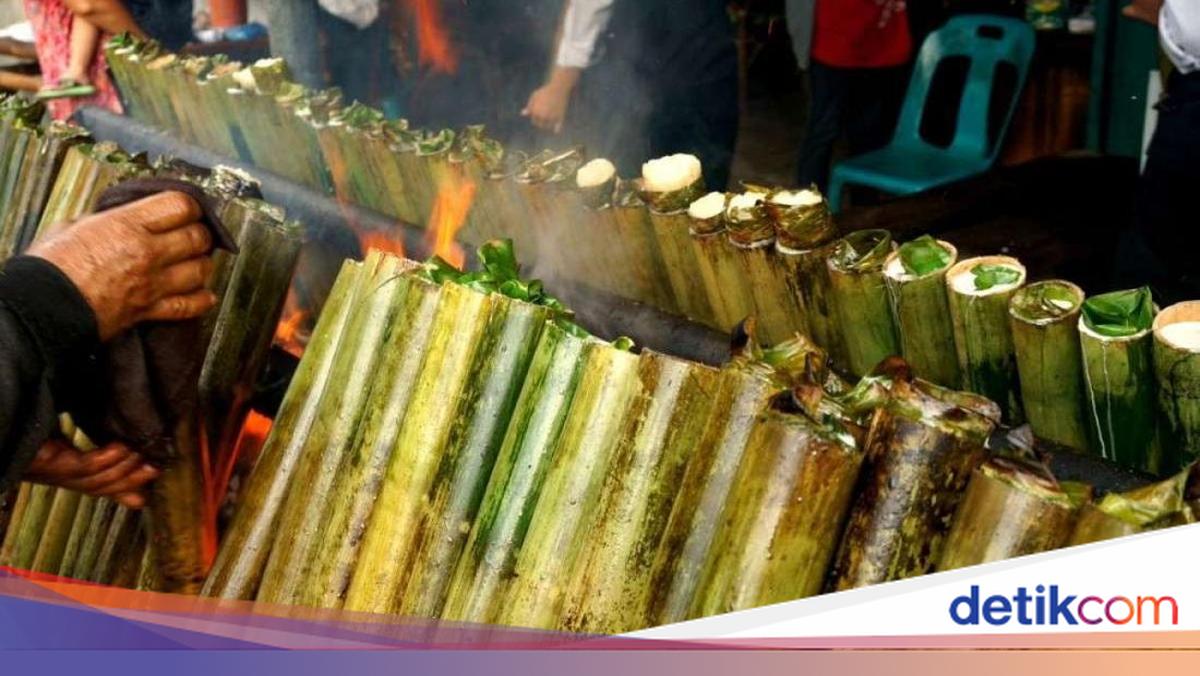
- Kolo
Kolo is rice cooked inside bamboo. This dish is commonly served at various customary events and community activities.
- Palumara Ikan
Palumara ikan is a fish dish with a sour and spicy broth. This dish can be one of the offerings at communal meals.
Maulid Nabi Foods in NTT
In East Nusa Tenggara, Maulid Nabi celebrations are mostly carried out by Muslim communities, especially in several coastal areas. The dishes served can make use of local food ingredients and regional culinary specialities.
- Jagung Bose
Jagung bose is a preparation of corn cooked with beans and coconut milk. This dish is known as one of NTT’s specialities.
- Halal Se’i Sapi
Se’i sapi is a smoked meat preparation that is one of NTT’s culinary specialities. For Muslim communities, se’i can be prepared using ingredients and processes that meet halal requirements.
- Singang Ikan
Singang ikan is a soupy dish with fish as the main ingredient, cooked using turmeric and various spices. This culinary speciality is known in the Sumbawa region and its surroundings.
In addition to main dishes, almost all areas also serve fruits, drinks, and various traditional cakes as refreshments for worshippers attending religious study sessions or Maulid recitations. This tradition is a symbol of togetherness, gratitude, and sharing blessings with the community.
Source: jawawa.id (https://jawawa.id/newsitem/maulid-nabi-culinary-traditions-in-bali-and-nusa-tenggara-from-kolo-to-singang-ikan-1787446218)
Originally published by detikBali (https://www.detik.com/bali/berita/d-8630080/kuliner-maulid-nabi-di-bali-dan-nusa-tenggara-ada-kolo-hingga-singang-ikan), translated from Indonesian