
Material Price Stability Key to Maintaining Property Investment Climate
Recent rises in construction material prices have drawn attention from various business sectors, including property and construction. Fluctuations in prices of materials such as cement, iron, steel, and others are seen as potentially affecting project planning across regions.
In Kendal Regency, the phenomenon has caught the eye of the Kendal Chapter of the Indonesian Young Entrepreneurs Association (HIPMI). The youth business organisation deems material price stability a crucial factor in sustaining property investment and growth in the area.
Material price uncertainty not only impacts construction costs but also influences investor confidence in business decisions. In the long term, this could slow project implementation, which otherwise would bring economic benefits to communities and regions.
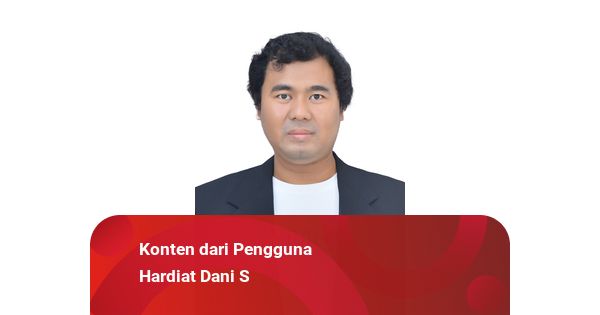
Dani Satria, Head of Department X (Infrastructure, Spatial Planning, Property and Transport) at HIPMI Kendal, stated that while businesses can adapt to market dynamics, stability remains essential for a healthy investment climate.
“Investors do not merely seek low costs but require certainty. When material prices fluctuate excessively, investment calculations become more complex and investor caution increases,” said Dani Satria in Kendal, Central Java, on Monday, 1 June 2026.
According to Dani, the property sector has a significant multiplier effect on regional economies, involving industries like building materials, construction services, transport, and local labour, all affected by the sector’s growth or slowdown.
“Material price stability is not just a concern for developers or contractors but also linked to sustainable regional economic growth. A more conducive business environment increases investment opportunities and creates new jobs for the public,” he added.
HIPMI Kendal calls for collaboration between government, businesses, and stakeholders to maintain balance in the construction materials market. Measures such as strengthening supply chains, improving distribution efficiency, and developing domestic building materials industries are part of long-term solutions.
Amid global economic challenges, HIPMI Kendal remains optimistic about Indonesia’s property and construction prospects, particularly in Kendal Regency, which is developing as an industrial and investment hub. With stable material prices and adaptive policies, the property sector is expected to remain a key driver of regional economic growth in the future.