
Mataram Fisheries Office Trains 25 Pangasius Cultivation Groups in Tarpaulin Pond Systems
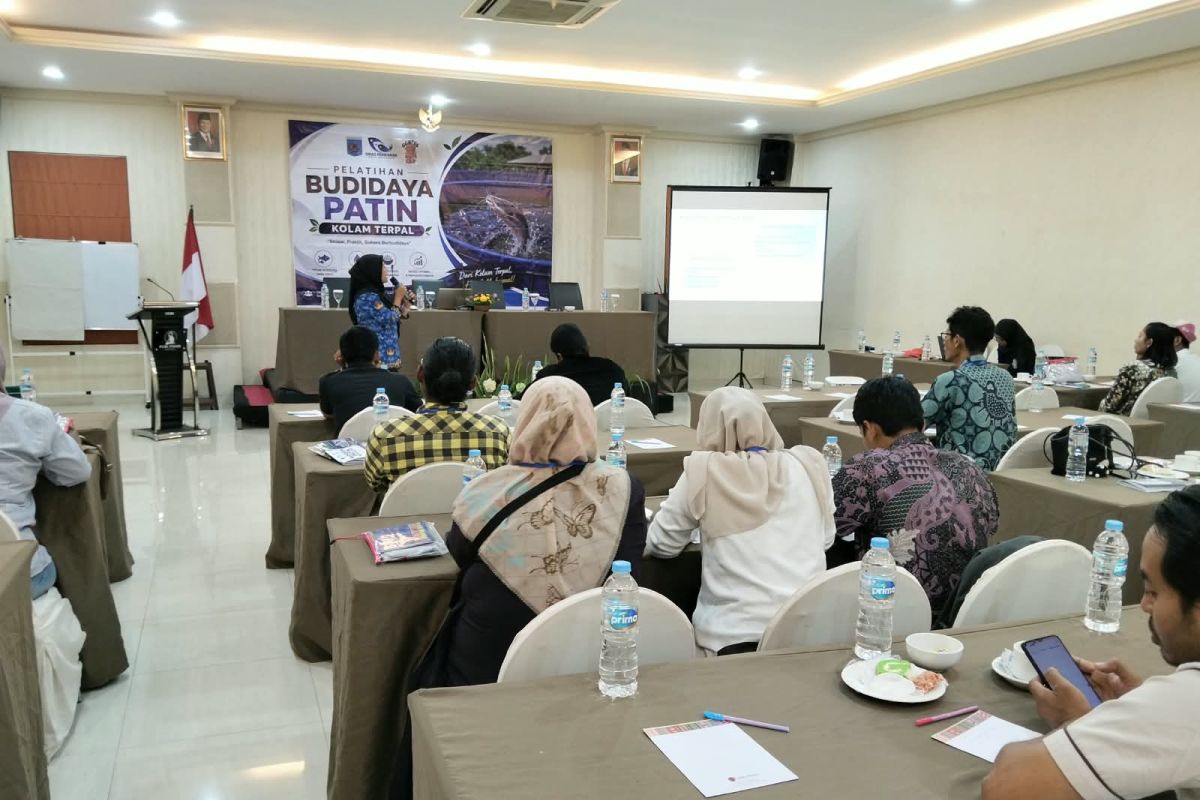
The Mataram City Fisheries Office, West Nusa Tenggara Province, has provided training on pangasius fish cultivation using tarpaulin pond media to 30 participants representing 25 aquaculture groups.
Leo Amri Saleh, Head of the Fisheries Cultivation Division of the Mataram City Fisheries Office, stated in Mataram on Thursday that the trainees are representatives from six sub-districts across Mataram City, including members from the Sustainable Food Garden (P2L), Women Farmers Groups (KWT), TP-PKK, and Youth Organisations (Karang Taruna).
“This training is a form of continuous assistance following the pangasius cultivation assistance programme using the tarpaulin pond system that has been provided to these 25 groups,” he said.
The training aims to increase the knowledge, skills, and ability of participants to manage pangasius cultivation businesses optimally, efficiently, and sustainably.
“This is our way of providing assistance to groups that have received aid, ensuring participants understand the correct and good techniques for fish cultivation. The training took place over two days, from 17-18 September 2026,” he added.
According to Saleh, the tarpaulin pond assistance provided to each group is estimated to accommodate 150 to 250 small-sized fingerlings (8-12 centimetres) per pond before gradual separation is implemented.
Pangasius was selected as the cultivation commodity because, in addition to its high nutritional and calorie value, the species is considered hardy and easy to raise, making it an ideal introduction to aquaculture for the community.
Furthermore, the market opportunity for pangasius is quite promising, with stable selling prices ranging from Rp32,000 to Rp33,000 per kilogram, and significant market potential, including for fulfilling the requirements of the free nutritious meal (MBG) programme.
“Pangasius is one of the primary commodities in demand, followed by other types such as tilapia and carp. The market prospects are very good and highly sought after by the public,” he said.
Overall, the assistance for tarpaulin pond cultivation includes the provision of tarpaulin pond facilities equipped with filtration systems using sponge and bioball media, 50 fish fingerlings per group, feed, technical training, and ongoing mentoring.
The Fisheries Office is committed to providing continuous assistance and monitoring until the first harvest, which is expected to take place within the next three months.
The budget for this training and cultivation assistance programme is sourced from the Tobacco Excise Revenue Sharing Fund (DBH-CHT), totalling Rp1.7 billion, which also covers several other activities.
“The programme is expected to motivate the community to develop fish cultivation independently and at a business scale in the future,” he concluded.
Source: jawawa.id (https://jawawa.id/newsitem/mataram-fisheries-office-trains-25-pangasius-cultivation-groups-in-tarpaulin-pond-systems-1789632370)
Originally published by Antara (Indonesian) (https://www.antaranews.com/berita/5745344/dinas-perikanan-mataram-latih-25-kelompok-budidaya-patin-kolam-terpal), translated from Indonesian