
Massive Protests Against Data Centres: 37 Arrested in the US
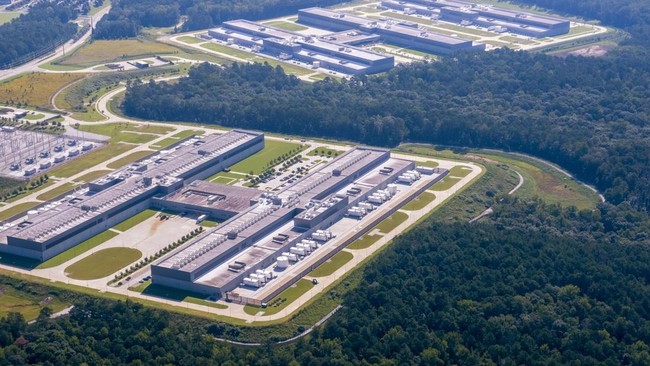
The wave of opposition to the expansion of data centres in the United States is intensifying. No longer just a war of words, public anger has now erupted, leading to the arrest of civilians by law enforcement. Citing a report from Futurism, throughout 2026 alone, at least 37 arrests of citizens opposing data centre construction have been recorded. Furthermore, there have been 12 recent incidents where police were forced to block crowds from approaching local officials. This phenomenon is quite rare. Unlike typical political demonstrations, the ranks of data centre opponents come from diverse demographics, ranging from landowning farmers and physics teachers to Gen Z, baby boomers, and parents in suburban areas. The common thread uniting them is a weariness with public officials who are perceived to prioritise the interests of Big Tech over listening to the voices of their own people. One victim of this bureaucratic ‘ferocity’ is Pablo Payan (42), a maintenance manager in Indiana. While attending a public forum regarding Amazon’s planned data centre in the City of Hobart, Payan was arrested by police simply for refusing to state his full name before speaking. ‘I was kicked out and arrested just as a show of power. They wanted to show that the law is on their side, and if citizens dare to speak up, they will be intimidated or jailed,’ Payan told Fox32. The Donald Trump administration and law enforcement agencies had previously labelled this movement as ‘anti-technology extremism’. However, the reality on the ground is the complete opposite. The majority of demonstrations are extremely peaceful. Arrests of citizens are often triggered by very trivial administrative violations. The most absurd case happened to Lux Claridge, a physics teacher in Emporia, Kansas. Claridge was suddenly hauled away by police in the middle of a public meeting simply for clapping in support of another resident who was opposing a 1,000-hectare data centre project. Claridge’s clapping was deemed to violate a petty rule by local officials prohibiting meeting attendees from ‘snapping fingers’ and ‘clapping’. ‘Clapping is my First Amendment right as a citizen. I did not cause a disturbance. But if they want to kick me out just for this, go ahead and drag me out!’ Claridge stated angrily in an interview with 404 Media. This phenomenon serves as a danger signal for the global AI industry. The reckless ambition of tech giants to build digital infrastructure is now clashing violently with the limits of local community patience.