
Massive Mine Explosion in China Claimed 1,500 Lives
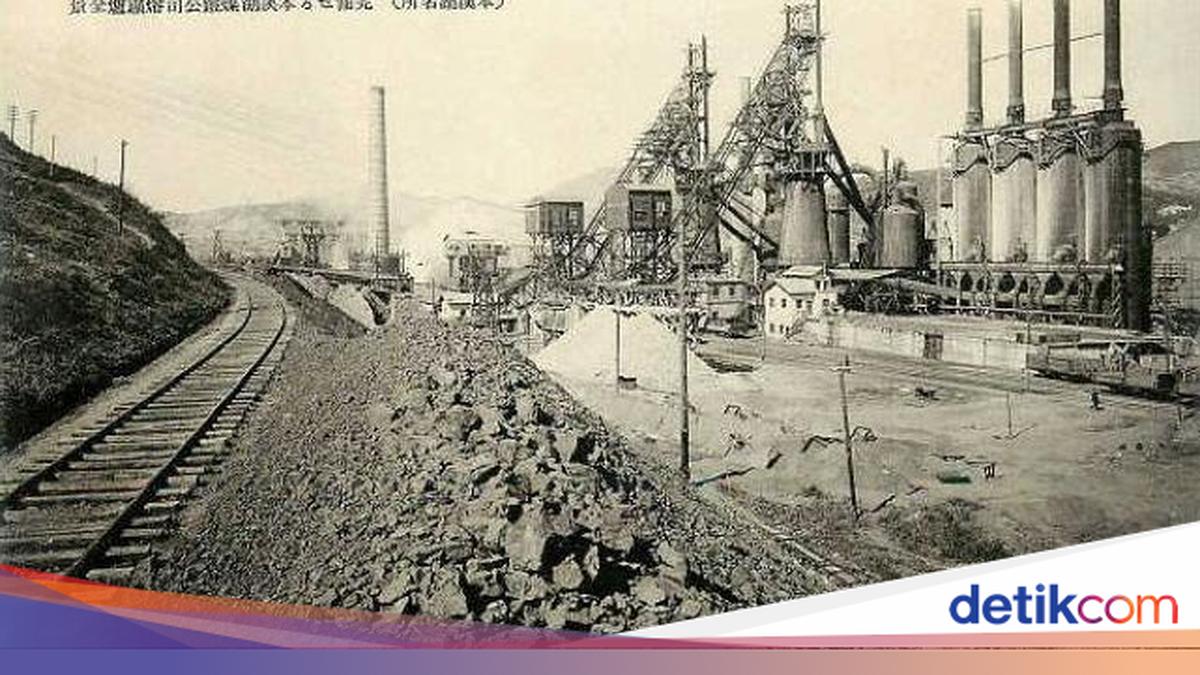
The mining accident in Benxihu, China, remains one of the deadliest mining disasters in history. For a time, the true scale of this mining accident was even subject to attempts at concealment.
According to the official Benxihu website and the Huashang Morning Post, this tragic event is known as the Benxihu coal mine tragedy. The devastating incident occurred on 26 April 1942.
The Benxihu mine was a shaft mine featuring various mining tunnels and was managed by the Japanese at the time.
On that day, more than 2,000 miners had entered the shaft before dawn for a 12-hour work shift.
At approximately 11:30, a disturbance occurred at the surface electrical substation, causing the entire mine’s power supply to be cut off.
By 14:00, power was restored. Management first diverted electricity to the ventilation fans at the mouth of the shaft, and ten minutes later, power was supplied to the underground mining areas.
Immediately, a massive explosion occurred, throwing workers about and releasing thick smoke from five inclined shafts.
Following the explosion, the Japanese management closed the ventilation to the underground areas to prevent fires and to protect equipment and coal reserves within the mine.
Japanese rescue teams deployed to the site prioritised the evacuation of Japanese officials and officers, ignoring the Chinese labourers who were moaning in pain along the tunnels.
As a result of the ventilation closure, the mine tunnels became filled with toxic carbon monoxide (CO) gas. Most workers did not die from the direct impact of the explosion, but rather from carbon monoxide poisoning while attempting to escape the shaft.
Death Toll Reaches Over 1,500
The death toll from this mining accident reached 1,549 people, 1,518 of whom were Chinese nationals.
The victims included both civilians and prisoners of war, who had been forced by the Japanese to serve as ‘special labourers’.
Japanese management initially attempted to cover up the true figures, recording only 1,327 deaths on the mass grave monument (Rouqiufen/Wanrenfen).
An official investigation conducted one month later proved that the Japanese authorities had committed errors and had lied regarding the explosion. The sanctions imposed were merely a reduction of one-tenth of the annual salary for officials in the company’s coal department. This truth only emerged many years later through the testimony of historical witnesses, specifically Chinese technicians involved in the investigation.
The disaster site now comprises two main historical landmarks: the Central Inclined Shaft and the Rouqiufen Mass Grave.
The entire complex has been designated by the Chinese Government as a National Important Cultural Relics Protection Unit and has been developed as a memorial park and industrial history museum.