
Mass Riots Erupt in South Africa as Anti-Immigrant Sentiment Boils Over
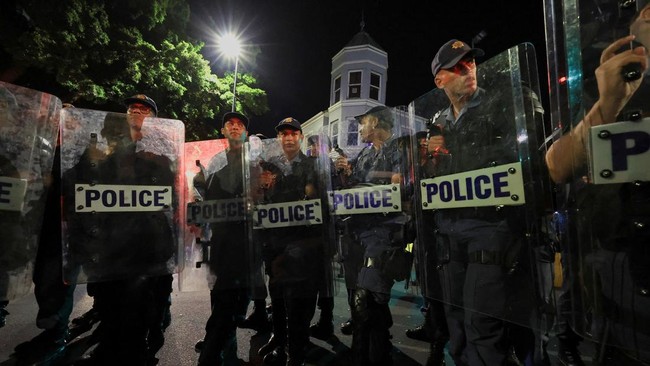
Massive anti-immigrant demonstrations marred by violence and looting erupted in several South African cities on Tuesday (30/06/2026). Thousands of local residents, some armed with wooden sticks, took to the streets to coincide with an informal deadline they had set for illegal immigrants to leave the country.
According to a Reuters report on Wednesday (01/07/2026), the escalating unrest over recent months has claimed at least four lives. The violence has prompted thousands of foreign nationals to flee and triggered widespread property destruction and mass shop closures.
In the Thembisa area of Johannesburg, rioters threw stones at police, while officers in Benoni were forced to deploy tactical vehicles after being threatened by approximately 500 demonstrators. In other areas such as Soweto and Pietermaritzburg, the looting of foreign nationals’ shacks broke out, compelling police to fire rubber bullets to disperse the crowds.
The fierce rejection by locals is fuelled by high unemployment, with demonstrators accusing foreigners of stealing their jobs. The anti-migrant movement ‘March and March’ has threatened to continue holding similar demonstrations weekly until their demands are met by the government.
‘For the next six months, we are asking that our national resources be used to remove illegal immigrants from this country. From building to building – they must go,’ asserted Jacinta Ngobese, leader of the March and March group in the port city of Durban.
This xenophobic sentiment has been exacerbated by local politicians who are allegedly exploiting the immigration issue to garner votes ahead of local government elections in November. Meanwhile, protest organisers have stated they cannot be held responsible for the anarchic actions carried out by the crowds on the ground.
‘Unfortunately, we cannot be in every community to tell them … how to behave,’ Ngobese said in an interview.
The humanitarian crisis has drawn international condemnation and tarnished South Africa’s post-apartheid reputation as a defender of human rights. According to StatsSA data, the number of immigrants in South Africa is actually only around 3 million, or about 4% of the total population.
However, three decades after the end of the apartheid system, Africa’s largest economy remains trapped in deep social inequality, with a third of its population unemployed. Law enforcement officials confirmed they have opened 103 criminal cases against anti-foreigner violence groups since March, with thousands of police and military personnel placed on full alert at hotspots.
Responding to the increasingly uncontrollable situation, South African President Cyril Ramaphosa strongly condemned the violence while acknowledging the concerns felt by his citizens. ‘The deep concerns of South Africans … about illegal immigration … are real and deserve to be heard. But the right to protest … does not allow people to threaten or intimidate others, or to engage in acts of vandalism or violence,’ President Ramaphosa stated in an official release.