
Mass Deaths Hit Germany, 5,000 Fatalities Reported
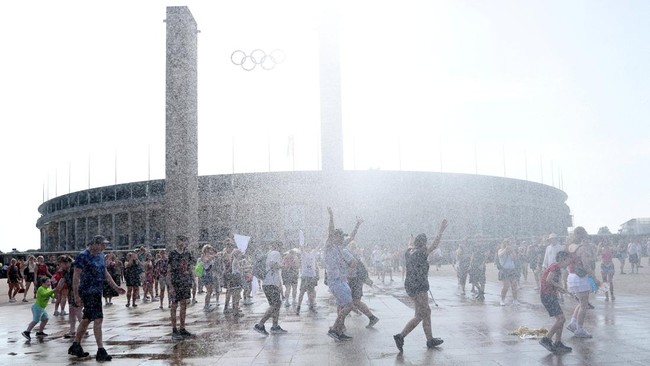
Jakarta, CNBC Indonesia – The German government, through its public health agency the Robert Koch Institute (RKI), has reported a startling estimate of 5,120 tragic deaths caused by extreme heatwaves throughout the year. The surge in mass deaths largely occurred at the end of June, when average weekly temperatures soared far beyond 20 degrees Celsius.
Quoting a Reuters report on Friday (10/07/2026), the majority of victims – around 4,270 deaths – were dominated by elderly people aged 75 and above, with the death toll among women higher due to the demographic makeup of the older population. The situation in Germany has darkened the picture across the continent, after the EU’s Copernicus Climate Change Service confirmed that Western Europe had just experienced its hottest June on record, with average temperatures reaching 20.74 degrees Celsius.
National authorities in neighbouring countries such as France, Belgium, Spain and the Netherlands have also reported more than 4,700 excess deaths during the peak of the heatwave, which lasted from 20 to 28 June. According to RKI historical data, Germany’s previous record for heat-related deaths in the past decade was set in 2018, with 8,400 deaths, and in 2019, with 6,900 deaths.
“The current heat situation remains complex, and it is clear that conditions in public facilities have raised concerns,” the RKI said in its official weekly report highlighting the surge in deaths among the elderly.
The severity of the situation has triggered fierce debate in the German parliament after it emerged that 120 people died in a single weekend in the city of Cologne on 27–28 June, four times the normal death toll. Greens party leader Katharina Droege immediately launched a sharp criticism, accusing Chancellor Friedrich Merz of having made no public statement at all regarding this humanitarian disaster.
Droege accused the government of deliberately weakening climate protection legislation in order to plug the national budget deficit by cutting billions of euros in environmental funding from the Climate and Transformation Fund (KTF). The budget cut was deemed deeply ironic, given that Germany had initially allocated 8 billion euros to pursue a target of reducing greenhouse gas emissions by 65% by 2030 – a target currently only at 48%.
“It is deeply regrettable, because if the government’s strategists had stopped and thought for a moment, they might not have made such an irresponsible decision that sacrifices climate protection funding,” Droege said in the parliamentary debate on the KTF budget cuts.