
Mass Deaths Continue as Medical Workers Fall and Virus Grows More Lethal
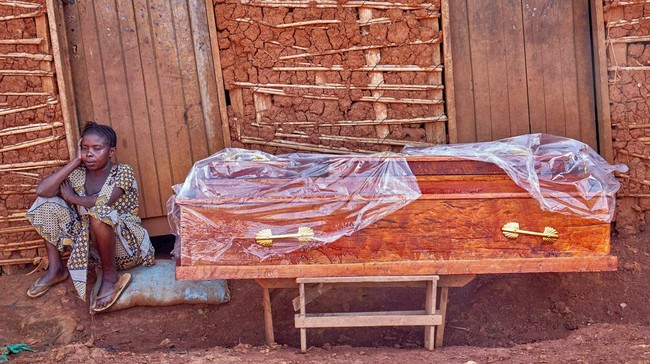
The World Health Organization (WHO) has warned that the Ebola outbreak in the Democratic Republic of Congo (DRC) is developing very seriously and spreading rapidly, despite intensified containment efforts. WHO’s Emergency Director for Africa, Marie Roseline Belizaire, stated that the situation poses a major challenge to the country’s health system, with responders racing to catch up with the deteriorating conditions in northeastern DRC, the epicentre of the outbreak. The WHO noted the virus had been spreading for several months before the outbreak was officially declared on 15 May 2026, leaving many health workers exposed without adequate protection.
“The outbreak remains serious and is developing very fast. However, I have seen a response that is getting stronger every day,” Belizaire said. The outbreak is caused by the Bundibugyo strain of the Ebola virus, for which there is currently no approved vaccine or specific therapy, making containment more difficult than previous outbreaks of the Zaire strain. According to the latest WHO data, there have been 896 confirmed cases in the DRC, including 232 confirmed deaths, with 21 new cases reported in the last 24 hours. Over 90 percent of known cases in the DRC are in the conflict-affected Ituri province, and the outbreak has also spread to North Kivu and South Kivu provinces.
Belizaire explained the epidemic is spreading so quickly that the response is struggling to keep pace with the virus, which transmits through close contact and infected bodily fluids. The number of available treatment beds has increased from zero to over 500, and surveillance teams are now investigating nearly 400 alerts and conducting more than 2,000 tests per day. Contact tracing efforts have also improved, with 75 percent of all contacts now reached, though the WHO has stated that 95 percent must be traced to overcome the outbreak. She noted that some individuals who fell ill stayed at home, visited traditional healers, and only later went to health centres, delaying access to care. In the DRC, 78 people have recovered from Ebola, serving as a reminder that timely diagnosis and access to quality healthcare can save lives.
Seventy-five health workers have been infected with Ebola, and 17 have died. Belizaire said health workers were hit hard during the early stages of the epidemic. “Because we are seeing a large community outbreak, we cannot be sure whether they were infected in health facilities. This is a very heavy price paid by the healthcare system,” she added. A Chinese medical team has arrived in the capital Kinshasa and will travel to Bunia. In neighbouring Uganda, the only other affected country, there are 19 confirmed cases including two deaths, and 10 patients have recovered. Uganda has reported no new cases for 12 days. The UN migration agency said it has conducted over one million health screenings at borders and travel corridors as part of surveillance measures to detect potential cases.
At least 30 people have died since early May in a camp for displaced civilians in northeastern Congo, a death rate officials say is unprecedented and, given the symptoms, could indicate Ebola is spreading rapidly there. The cause of death could not be confirmed because patients or their relatives at the Kigonze camp in Bunia refused testing for both the living and the dead. All exhibited symptoms including headaches, fever, and vomiting, which are associated with Ebola. “People have never died like this before,” said camp spokesperson Desire Grodya Bapi. The deaths at Kigonze, which houses more than 15,000 residents, raise concerns that Ebola may be circulating undetected among the more than 5 million displaced people in eastern Congo, with refusal of testing compounding the challenges posed by extremely limited sanitation measures. Camp president Dz’djo Ndrutsi Etienne said at least 10 people were buried in the last week alone, compared to the usual one to three deaths per month. Caritas director Justin Zanamuzi said his team saw several bodies covered in cloth, including a pregnant woman and children. Footage showed health workers in hazmat suits disinfecting bodies and preparing a small coffin. “Our team tried to persuade people to accept doctors examining the bodies. They flatly refused,” Zanamuzi said. Health workers have since taken samples from five victims and are awaiting results. Cholera, which shares symptoms with Ebola, also spreads quickly in impoverished communities, though it is not endemic to the area.