
Masela: A 28-Year Wait for Energy Security
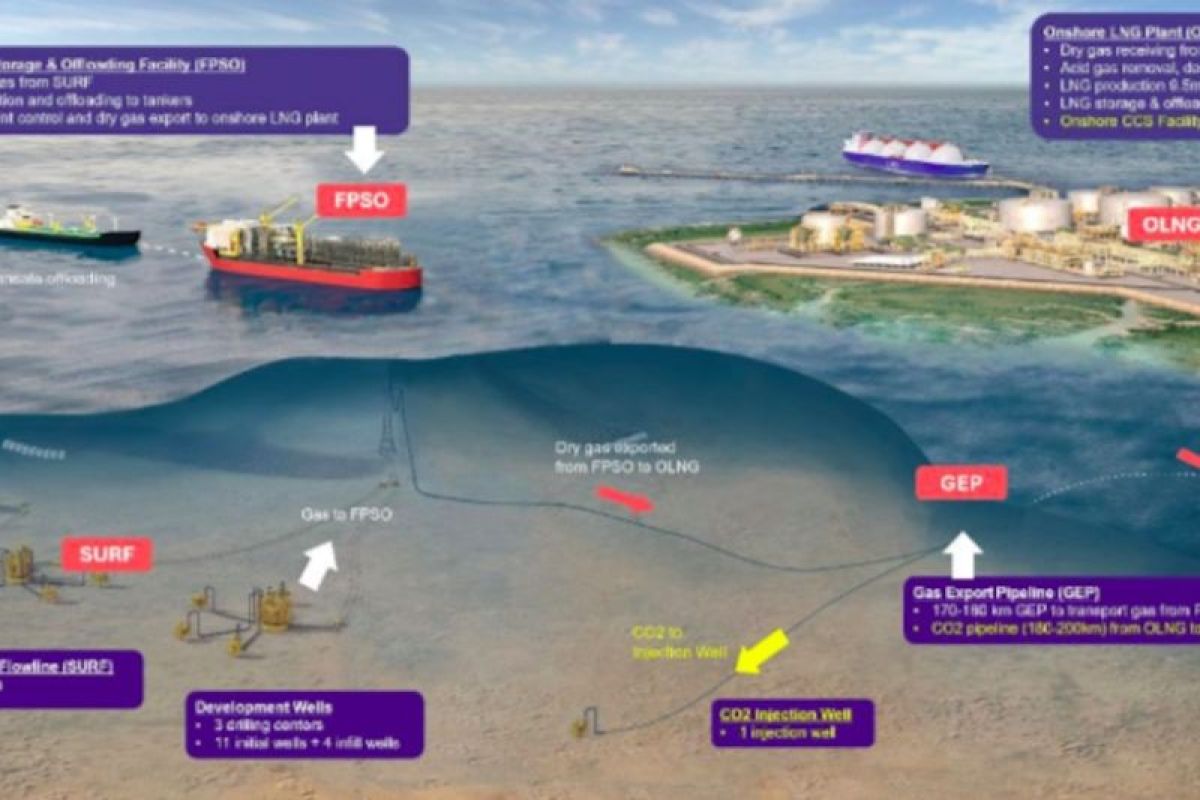
The groundbreaking for the Abadi Masela LNG project in the Tanimbar Islands, Maluku, on 16 July 2026, closed a bureaucratic chapter that had been open since the production sharing contract was signed in 1998. The virtual ceremony, led by President Prabowo Subianto from Jakarta, marked the end of a delay spanning six presidencies, caused not by doubts over gas reserves but by a protracted debate over whether the processing facility should be built offshore or onshore. The final decision settled on an onshore scheme in the Tanimbar Islands Regency.
The consortium’s composition also shifted over time, with Shell exiting in 2023. The current ownership structure is INPEX Masela Ltd (65 percent), Pertamina Hulu Energi Masela (20 percent), and Petronas Masela (15 percent). Technical readiness has surpassed targets, with front end engineering design reaching 79.53 percent completion by early July 2026, and the final investment decision is expected by the end of the year. The environmental impact assessment was completed in February 2026, and land acquisition in Tanimbar was finalised by late June. State-owned enterprises PLN, PGN, and Pupuk Indonesia have already signed preliminary agreements as potential domestic gas buyers.
The USD 20.9 billion investment is merely the entry point. A study by the Institute for Economic and Social Research at the University of Indonesia’s Faculty of Economics and Business projects the project’s contribution to national GDP at USD 137.7 billion through to 2055. State revenue is estimated at Rp801.5 trillion, derived from production sharing, non-tax state revenue, and indirect taxes. The regional impact is equally significant, with an estimated contribution of Rp568.3 trillion to Maluku’s provincial GDP and over Rp1,665 trillion to the Tanimbar Islands Regency over the same period. The project is expected to create 12,000 direct jobs during construction, prioritising local workers from Maluku and Tanimbar, and the government anticipates a multiplier effect fostering supporting industries and expanding opportunities for micro, small, and medium enterprises. The land acquisition process also accounted for customary land ownership patterns in Maluku, which are passed down through generations without formal certificates, potentially serving as a model for other strategic projects in eastern Indonesia.