
Martalena turns Lake Toba's invasive Red Devil fish into snacks
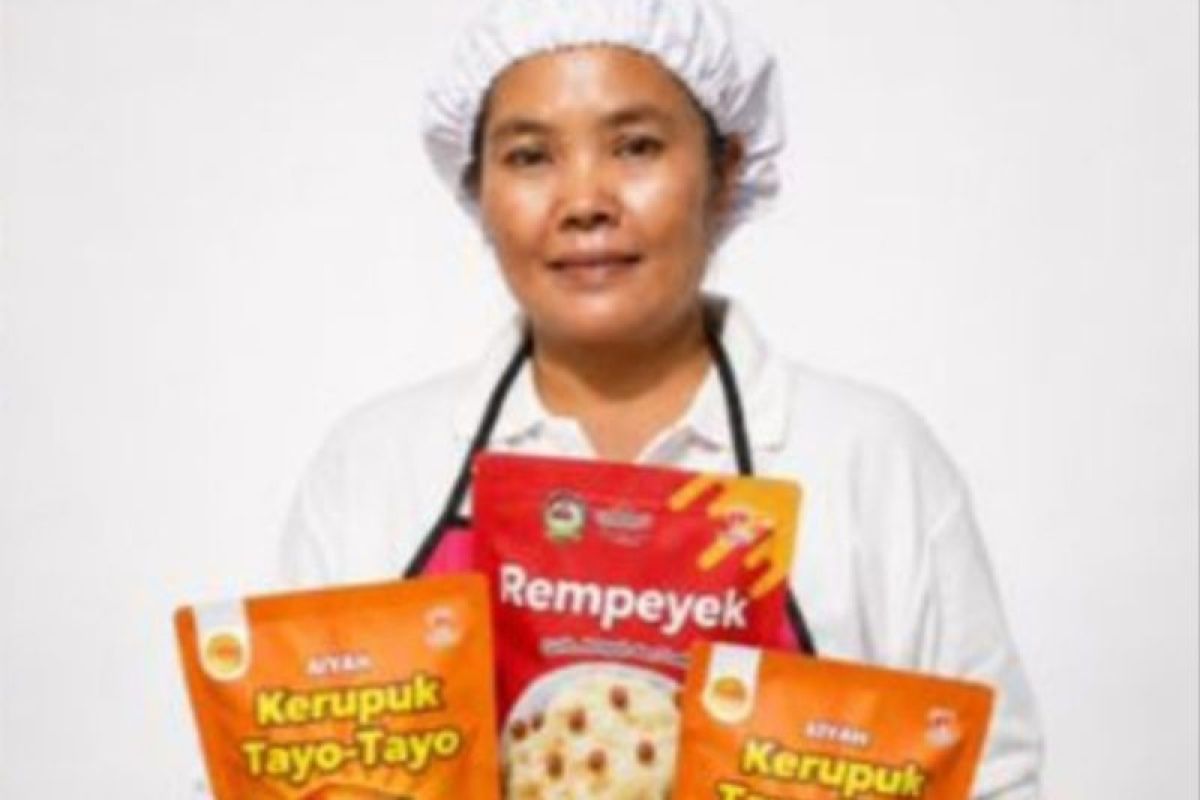
Lake Toba’s invasive Red Devil fish has been turned into a snack with economic value. Medan (ANTARA) - Martalena Manalu, owner of the MSME Aivah in Pardede Onan, Balige, North Sumatra, has successfully processed the invasive Red Devil fish that floods the waters of Lake Toba into a snack with economic value.
The MSME, located at Jalan Lumban Sisoding, Pardede Onan, Balige, North Sumatra, has produced Red Devil-based Kerupuk Tayo-Tayo. The Original Tayo-Tayo crackers, already marketed, have become one of Lake Toba’s regional souvenirs.
“We are interested in processing the Red Devil fish, which is one of the invasive species developing rapidly in the waters of Lake Toba,” she said in Balige on Tuesday.
Moreover, she noted, the presence of the fish has long been seen as disturbing the balance of the ecosystem and threatening the populations of other local fish.
Martalena hopes that processing the Red Devil fish can benefit the environment and the communities around Lake Toba.
“This product is not only a local snack, but also part of an effort to utilise invasive fish so that it has economic value for the communities around Lake Toba,” she said.
In addition to creating business opportunities and employment for local people, the innovation is also expected to strengthen Lake Toba’s unique culinary identity.
She explained that since its establishment in 2023, the AIVAH MSME has operated a pre-order (PO) system in marketing its products.
Before Red Devil’s Tayo-Tayo, AIVAH had already produced rempeyek and even ulos, aimed at Lake Toba’s souvenirs.
She noted that to promote her products, they used social media promotions and support from the local community.
With high sales, concerns about the abundance of Red Devil fish in Lake Toba could be alleviated.
Martalena Manalu acknowledged that production is currently averaging around 6 kg of fish every 3-4 months.
“If there were more government activities, we could process about 3 kg of fish in one month as it would be used for souvenirs,” she said.
“I am grateful to have strong support from the Department of Cooperatives and also Inalum,” she added.