
Market Awaits Bank Indonesia Policy Signals at August Board of Governors Meeting
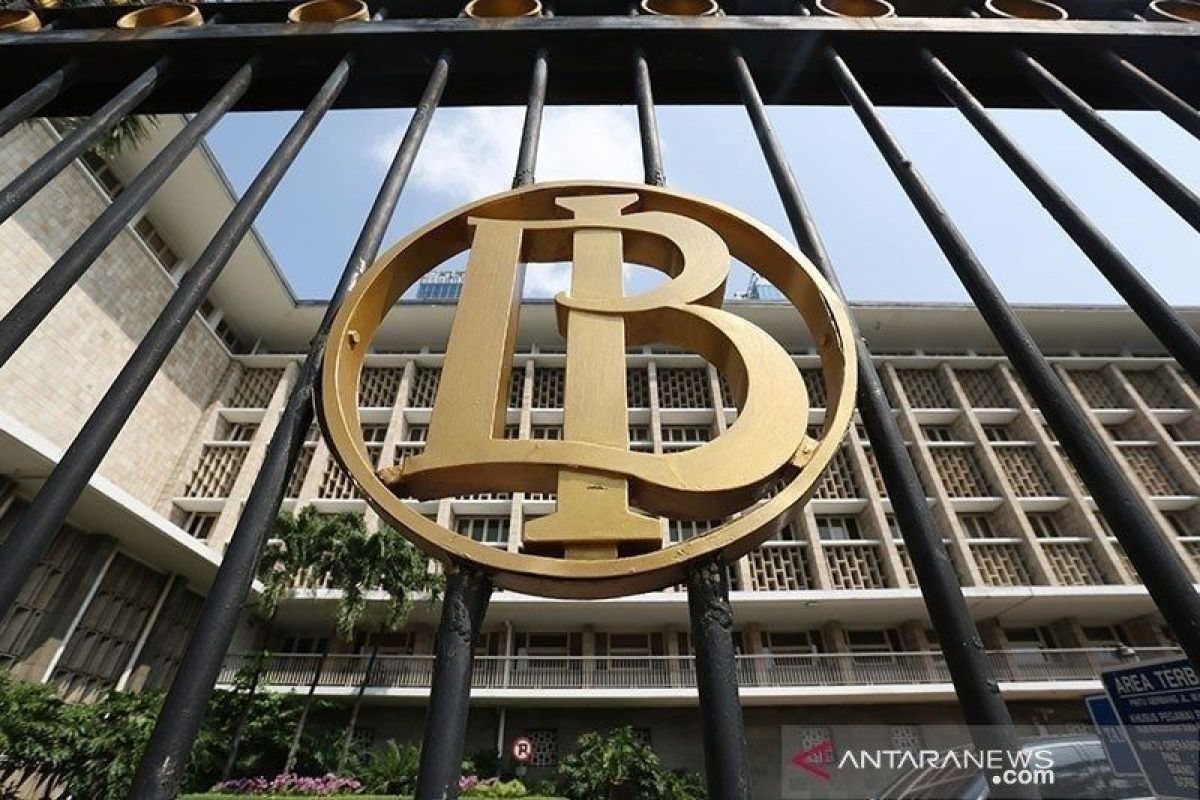
Financial markets and the business world are awaiting signals of Bank Indonesia’s policy direction at the August 2026 Board of Governors meeting. Market attention is now focused not only on the decision regarding the BI Rate, but also on the direction of Bank Indonesia’s communication and monetary policy following the departure of Perry Warjiyo.
Trimegah Sekuritas Indonesia chief economist Fakhrul Fulvian assesses that Indonesia’s monetary policy phase has now entered a different chapter. After a 100 basis point interest rate increase since May and various measures to attract foreign capital inflows, the market is now beginning to seek clues regarding the next stage of Bank Indonesia’s strategy.
“In our view, the market’s focus at the August Board of Governors meeting is no longer whether the BI Rate will be raised or held. What is more important is how Bank Indonesia explains its next steps after a fairly aggressive stabilisation phase,” said Fakhrul in his statement on Tuesday (18/8).
According to him, there are four main issues that market participants will scrutinise. First, signals regarding the normalisation of Bank Indonesia Rupiah Securities and monetary operations. In recent months, SRBI has become the primary instrument in attracting foreign capital inflows back and maintaining rupiah stability. However, as financial market conditions improve, investors are beginning to seek clues as to when and how the normalisation process of these instruments will be carried out. The market also wants to know whether Bank Indonesia is beginning to see room to transition from a liquidity-tightening phase towards a liquidity-normalisation phase.
“This is important because it will affect banking, the bond market, and overall funding costs,” explained Fakhrul.
The second issue is Bank Indonesia’s view on the rupiah exchange rate. According to Fakhrul, the rupiah is currently in a far more stable position compared to the period of pressure in the second quarter. However, the global environment still holds a number of risks, ranging from high US Treasury yields to geopolitical uncertainty and energy prices. The market, he said, will read very carefully how Bank Indonesia describes the current condition of the rupiah.
“Whether the main focus remains on maintaining exchange rate stability or begins to shift towards supporting economic growth recovery,” he said.
The third issue the market is watching is whether attracting capital inflows remains the main priority. Fakhrul said that over the past several months Bank Indonesia has explicitly made foreign capital inflows an important part of its rupiah stabilisation strategy. Various incentives have been introduced to increase the attractiveness of domestic financial assets.
According to Fakhrul, the important question for investors is whether that focus will still be maintained or begin to shift towards credit growth and domestic economic activity issues.
“The first phase was regaining global investor confidence. The next phase is ensuring that liquidity can be translated into stronger economic growth,” he said.
The fourth issue is how Bank Indonesia reads banking liquidity conditions. In recent weeks, the government and authorities have issued a number of policies aimed at strengthening banking system liquidity and encouraging credit disbursement. Therefore, according to Fakhrul, market participants will pay attention to whether Bank Indonesia is beginning to see room to reduce liquidity pressure, which has so far been a consequence of the rupiah stabilisation strategy.
From the global side, the August Board of Governors meeting is also taking place amid conditions that are not simple. US inflation data shows price pressures beginning to ease, while the market increasingly believes the Federal Reserve will hold interest rates in the coming months. However, at the same time, long-term US government bond yields remain high, so global capital costs have not truly fallen.
Meanwhile, China’s economic slowdown is increasingly visible through weak credit demand, household consumption, and domestic investment. This condition has the potential to affect export prospects and commodity prices, which are important pillars of the Indonesian economy.
In this situation, Fakhrul assesses that Bank Indonesia’s communication will be just as important as the policy decisions taken. According to him, the central bank conveys policy direction not only through interest rate changes, but also through changes in narrative and language choices in its communications. Therefore, the market is expected to scrutinise every sentence in the August Board of Governors statement to capture the direction of Bank Indonesia’s future policy.
“Investors want to know whether Indonesia is still in a phase of maintaining stability or beginning to enter a phase of preparing for growth recovery,” he concluded.
Source: jawawa.id (https://jawawa.id/newsitem/market-awaits-bank-indonesia-policy-signals-at-august-board-of-governors-meeting-1787028659)
Originally published by Media Indonesia (https://mediaindonesia.com/ekonomi/922960/pasar-menanti-sinyal-kebijakan-bank-indonesia-di-rdg-agustus), translated from Indonesian