
Marini’s Concerns Inspire the Creation of Berdikari Waste Bank
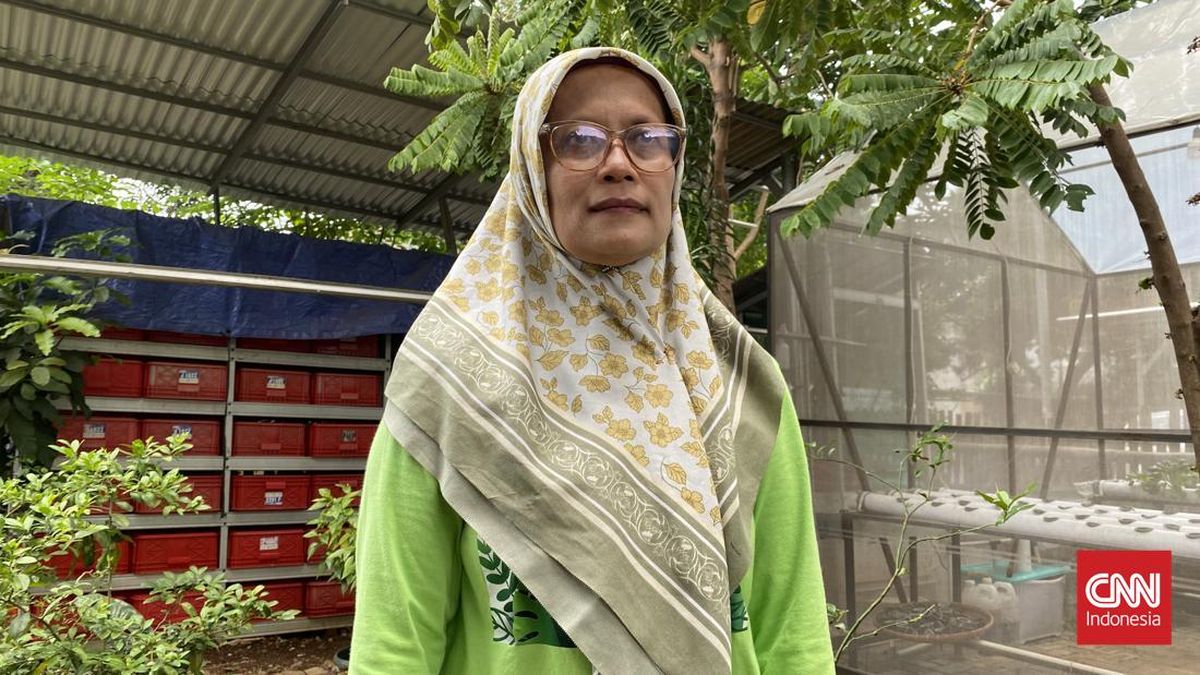
Marini, a resident of Joglo, Kembangan sub-district, West Jakarta, started the Berdikari Waste Bank. Through the programme, she has recruited 500 customers and collected up to one tonne of waste. Of the total, 360 are active customers. The waste bank operates every day, in line with residents’ daily waste production.
From Monday to Friday, it is open from 9am to 3pm Western Indonesia Time (WIB). At weekends, it closes earlier, at noon.
“We involve teenagers, and they have their days off on Saturdays and Sundays,” Marini said during a field verification stage of the Pilah Olah Sampah Heroes 2026 programme on Thursday (5 November).
Marini said the Berdikari Waste Bank’s journey began on 19 December 2013, prompted by her concern about piles of rubbish in her neighbourhood.
“I saw people dumping rubbish carelessly. It even became like a mini waste-disposal site. It was small, but the rubbish had already piled high,” she said.
Before the waste bank was established, the mounds of rubbish produced a foul smell and posed a health nuisance to residents.
The waste bank did not come about overnight. Marini began by persuading residents, visiting them one by one at home.
“We educate people at every meeting and go door to door,” she said.
The programme also relies on word of mouth, with residents who understand it helping to explain it to others. Marini has enlisted socially influential residents to help promote the initiative.
Over the 13 years the waste bank has been operating, Marini has seen a change in residents’ behaviour around sorting and processing waste. Whereas they once dumped rubbish indiscriminately, residents are now motivated to take part, partly by the financial incentives from processing waste.
Waste-bank customers do not always withdraw the money they earn from their ‘deposits’. They often save it for when they need it, such as to cover their children’s school expenses. Some have also converted their savings into gold savings at Pegadaian, Indonesia’s state-owned pawnshop.
Marini said residents can save between Rp1 million and Rp2 million a year. Some customers, however, are able to save as much as Rp1 million a month from depositing waste.
There are also benefits from sorting and processing organic waste into compost and maggots. Marini uses the processed products to support the growth of plants, including fruit and vegetables, cassava and sweet potatoes. Harvests are regularly distributed to residents and the local integrated health post (Posyandu).
“First, we distribute the produce to residents. Then, because there is a Posyandu for under-fives, we give it to them to improve nutrition. We give vegetables as a reward to those who take part diligently. We also give them catfish as a reward,” Marini said.
The Pilah Olah Sampah Heroes 2026 programme aims to highlight people such as Marini, who take practical action on waste management and encourage others to participate. The programme is an initiative of the Jakarta Provincial Government to recognise environmental advocates.
Awards will be given in two categories: Community Mobiliser and Influencer/Key Opinion Leader (KOL). Following all stages of selection, the winners will be announced at an awards ceremony on Tuesday (10 November), with the awards to be presented by Jakarta Governor Pramono Anung.
Source: jawawa.id (https://jawawa.id/newsitem/marinis-concerns-inspire-the-creation-of-berdikari-waste-bank-1793879567)
Originally published by CNN Indonesia (https://www.cnnindonesia.com/nasional/20261105172326-20-1423788/keresahan-marini-dan-inspirasi-pembuatan-bank-sampah-berdikari), translated from Indonesian