
Marco Rubio Accuses Cuban Leadership of Causing Suffering Among Its People
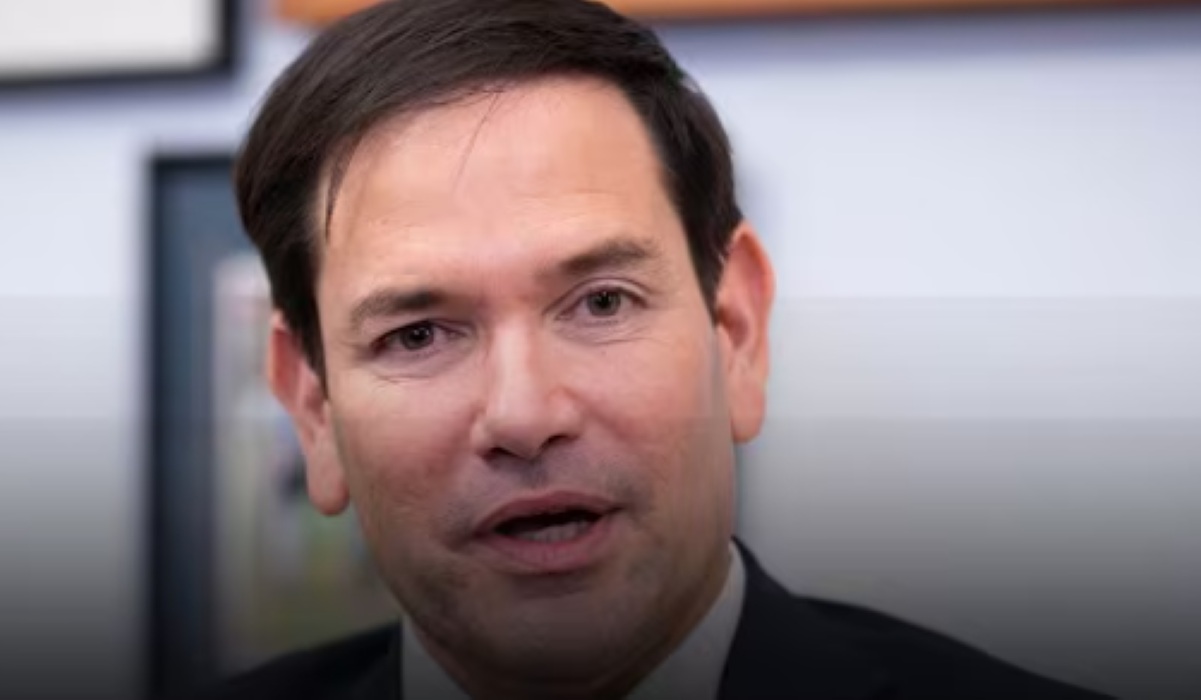
United States Secretary of State Marco Rubio marked Cuba’s Independence Day on Wednesday (20 May) by delivering a Spanish-language video message addressed directly to the island’s people. In his message, Rubio accused the communist leadership of being the main cause of the extraordinary suffering currently endured by Cubans. The move was historic, as it marked the first time Rubio had spoken directly to the Cuban population in his capacity as Secretary of State, and formed part of a layered pressure campaign against Havana by the Trump administration.
In his address, Rubio focused sharp criticism on the Cuban military business conglomerate known as GAESA. The giant company, founded by the Castro family, is estimated to hold assets of around US$18 billion and controls about 70% of the Cuban economy, spanning hospitality, construction, banking, and retail stores. “The real reason you do not have electricity, fuel, or food is that those who control your country loot billions of dollars, but none of it is used to help the people,” he said. He contrasted the lives of the wealthy elites running GAESA with the squalor endured by ordinary Cubans, describing revolutionary communism in Cuba as a cover for kleptocracy. “Cuba is not controlled by any revolution. Cuba is controlled by GAESA.”
In addition to diplomatic pressure, the US Department of Justice is scheduled to disclose charges against de facto Cuban leader Raúl Castro related to alleged orders to shoot down two Brothers to the Rescue rescue aircraft based in Miami in 1996. This legal move signals that American negotiators do not see meaningful progress in talks with Cuban leaders toward a peaceful transition to democracy. Despite contacts between State Department officials and the CIA, including Castro’s grandson, Raulito Castro, US demands remain firm: the release of political prisoners, free elections, and the return of assets seized since the 1959 revolution.
At present, Cuba’s economy is in the worst state in its history. In some regions, electricity is available for only about two hours a day. Amid shortages of food and fuel, US officials have revealed that the Cuban government has found funds to purchase at least 300 attack drones from Russia and China. For its part, the Cuban government continues to blame the US embargo and new sanctions by the Trump administration for the crisis. State media described US actions as violations of international law and an assault on Cuba’s economic sovereignty.
May 20 marks the date of Cuba’s birth as a republic in 1902 following the Spanish-American War. However, the holiday has not been celebrated on the island since it was abolished by Fidel Castro’s government after the 1959 revolution. Rubio closed his message with a vision of a New Cuba, in which citizens have the right to own a business and to vote in elections without fear. “If having your own business and the right to vote are possible around Cuba (the Bahamas, the Dominican Republic, Jamaica), why is it not possible for you in Cuba?” he concluded.
The Department of Justice is expected to announce criminal charges against Raúl Castro in relation to the 1996 Brothers to the Rescue incident. Cuba is reported to have acquired 300 military drones from Iran and Russia. The US warns of potential strikes against Florida amid Havana’s energy crisis. Tensions between Cuba and the US are rising. President Miguel Díaz-Canel warned of potentially fatal consequences of a US military strike in the wake of the island’s energy crisis. US President Donald Trump has described Cuba as a failed state and signalled military aggression following Iran. A White House official stated Washington believes a deal with Cuba remains possible, but also described the country as a ‘failed state’. The move to indict Raúl Castro is seen as potentially triggering similar operations elsewhere, such as the arrest of Nicolás Maduro in Venezuela. The United States plans to indict former Cuban President Raúl Castro over the 1996 incident, against a backdrop of fuel blockades and regime-change efforts.