
Marcella Zalianty and IDAI Promote Heart Screening for Disabled Children and Warn of Microplastics
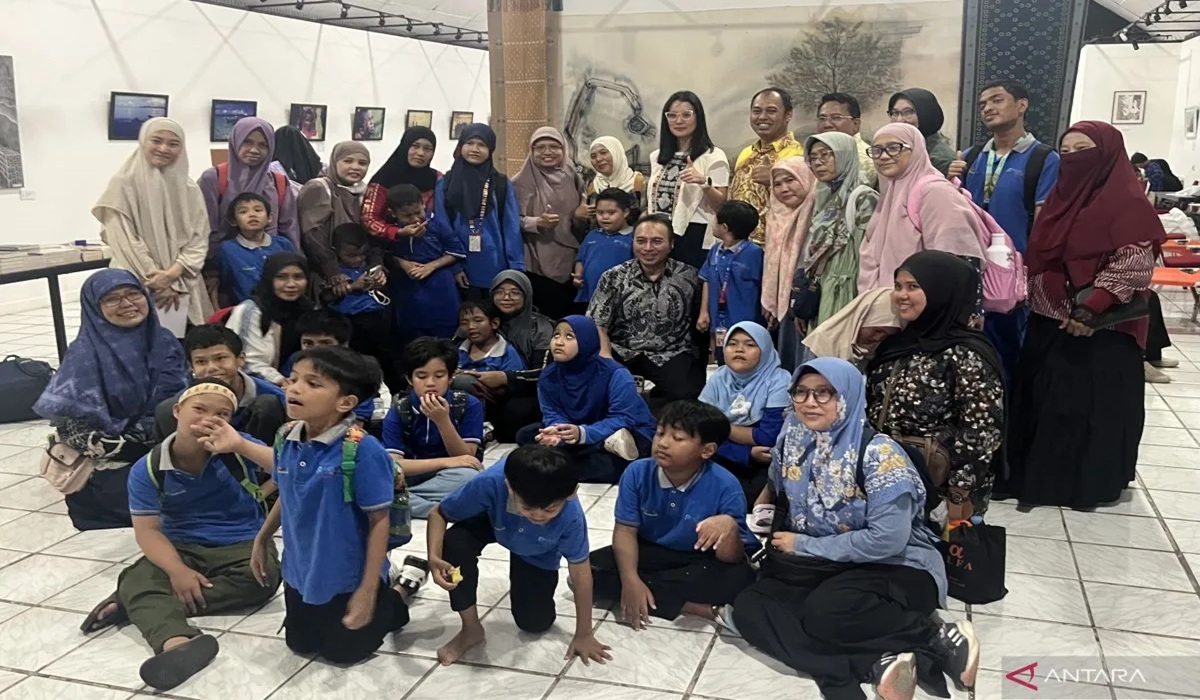
Duta Rumah Autis, Marcella Zalianty, has emphasised the importance of expanding access to healthcare services for children with special needs (ABK). She is advocating for heart screening programmes for disabled children to reach wider areas, given their limitations in independently communicating physical health conditions.
“Children with autism are very vulnerable because they cannot express when they are ill. We do not know if there is a heart disorder because they cannot convey complaints,” Marcella said while attending a heart screening event organised by the Indonesian Paediatric Society (IDAI) in Jakarta on Monday (6/4).
According to Marcella, early detection through heart screening is crucial for ABK. However, high examination costs often become a barrier for many families. The presence of free services from IDAI is considered very helpful in alleviating economic burdens while providing medical certainty for these children.
She hopes this initiative does not stop in the capital. “Not only in Jakarta, children in the regions must also be able to get this examination,” she stressed.
In line with Marcella, the General Chairman of the IDAI Central Board, Dr Piprim Basarah Yanuarso, explained that certain groups of children with disabilities have a higher risk of heart health issues. For example, around 50 per cent of children with Down syndrome have congenital heart defects.
IDAI is currently working to improve access through free echocardiography services. This step is taken to cut cost and bureaucratic barriers often faced by the public.
In addition to focusing on heart services, IDAI is also issuing strong warnings to parents about the dangers of microplastic exposure in children. Recent findings show that microplastics have been found in the meconium or first stool of newborns.
Piprim explained that this exposure can occur even before the baby is born. “In the mother’s blood with high microplastics, it can be transferred through the placenta, then to the baby,” he revealed. This is a serious concern because microplastics are persistent and cannot be degraded by the body.
As a preventive measure, IDAI provides several practical recommendations for parents.
Currently, IDAI is continuing in-depth studies to compile official recommendations on addressing the impact of microplastics on children’s health in Indonesia. Although primary data in the country is still limited, early awareness from parents is considered the main key to protecting children’s health at present.
IDAI warns that children are more vulnerable to exposure to microplastics and heavy metals, which can impact IQ decline to organ disorders.
IDAI suggests that parents switch to toys made of wood or clay to avoid the risk of microplastic exposure from dangerous plastic materials.
Source: jawawa.id (https://jawawa.id/newsitem/marcella-zalianty-and-idai-promote-heart-screening-for-disabled-children-and-warn-of-microplastics-1775591469)
Originally published by Media Indonesia (https://mediaindonesia.com/humaniora/877160/marcella-zalianty-dan-idai-dorong-skrining-jantung-anak-difabel-dan-waspada-mikroplastik), translated from Indonesian