
Many Residents' Decile Status Changes Drastically, Yogyakarta Regional Government Asks BPS to Disclose Classification Basis
The Regional Government of the Special Region of Yogyakarta has asked the Central Statistics Agency (BPS) to provide an explanation regarding changes in decile classification within the National Socio-Economic Single Data (DTSEN). The request came after many residents experienced decile changes deemed inconsistent with their economic conditions.
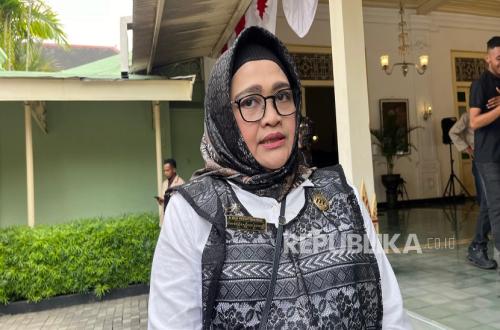
Regional Secretary of Yogyakarta Ni Made Dwipanti Indrayanti said the changes need to be investigated because decile classification serves as one of the bases for determining the targets of various poverty alleviation and social assistance programmes. Some residents have reported significant increases in their decile ranking even though their economic circumstances have not changed much.
‘I protested to Mrs Endang (Acting Head of BPS Yogyakarta) about this. How could the decile change when our residents’ economic situation remains the same? What is the basis used in the census?’ Ni Made said on Thursday (20/8/2026).
She explained that the government currently uses a division of deciles 1 to 10. Decile groups 1 to 5 remain the targets of poverty alleviation interventions, while deciles 6 to 10 are considered relatively capable of sustaining themselves independently.
Ni Made stressed that the issue the Yogyakarta administration wants to understand is not merely the change in decile numbers, but the criteria used to place a person into a particular group. Changes in classification can affect people’s access to assistance programmes and government interventions.
‘We are not the ones determining it. The question is about the criteria. Where does a person fall? This is how they classify, which is what we also need to ask BPS about,’ she said.