
Many Leave, and Just as Many Return
Jakarta (ANTARA) – Every journey has two directions. People set off for work, study, family visits, events or simply a change of scene. Once their purpose has been fulfilled, the story moves in the opposite direction: they return to their routines or continue on to another city.
This pattern is reflected in rail travel between January and September 2026. Data from state-owned railway operator PT Kereta Api Indonesia (Persero), or KAI, show that several intercity corridors had strong passenger flows in both directions.
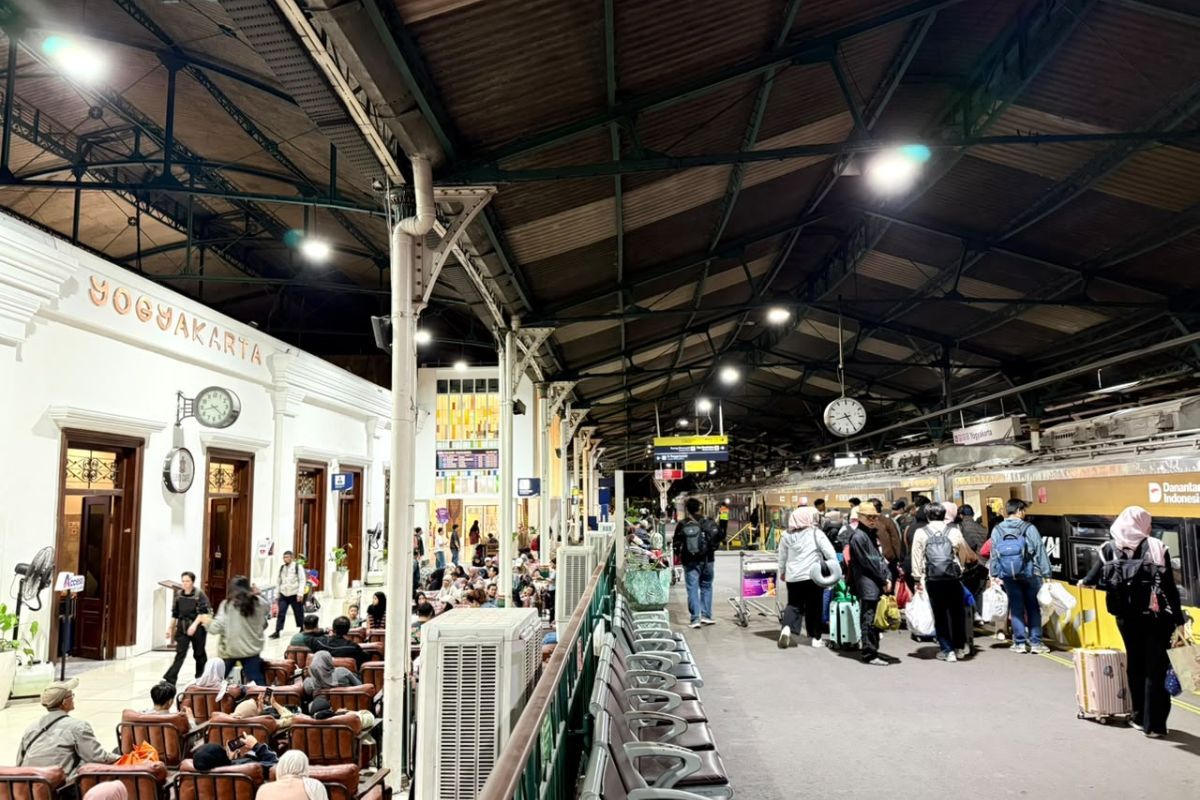
The Gambir–Yogyakarta corridor was among the busiest. A total of 536,573 passengers travelled from Gambir to Yogyakarta, while 500,528 travelled in the opposite direction. Combined, the two directions accounted for more than 1.03 million passenger journeys in the first nine months of 2026.
Similar patterns appeared on other corridors. Gambir–Semarang Tawang and the return route recorded a combined 775,855 passenger journeys. Pasarsenen–Lempuyangan and the return route totalled 694,510, while Yogyakarta–Surabaya Gubeng and the opposite direction recorded 569,938.
One city pair was almost perfectly balanced. The Gambir–Bandung route carried 277,526 passengers, compared with 277,448 travelling from Bandung to Gambir. The difference was just 78 passengers out of a total of 554,974 journeys.
KAI Vice President of Corporate Communications Anne Purba said the figures showed that connections between cities operate in both directions and are supported by a range of travel needs.
“People come to a city for many reasons. Some work, study, visit family, attend events, enjoy the food or go sightseeing. What is striking is that passenger flows on several corridors are also strong in the opposite direction. This means that connections between regions remain active throughout the year,” Anne said.
Jakarta–Yogyakarta links the national centre of activity with a city known for education, culture, food and tourism. Jakarta–Semarang connects two cities with business, government, trade and tourism activity. Jakarta–Bandung, meanwhile, sees travel for work, family visits, food, creative activities and short breaks.
The balanced flows also suggest that people’s journeys do not always run from a single centre towards one destination. Cities send and receive travellers, creating connections that remain active day after day.
“Behind two almost equal figures is a simple story that is close to everyday life. People leave with a purpose, then return with experiences. A city welcomes visitors and then sends journeys back in another direction. The railway is part of all this, keeping intercity connections moving and ensuring every journey has a way home,” Anne concluded.