
Many Adults Still Contracting Measles, Health Ministry Reveals the Causes
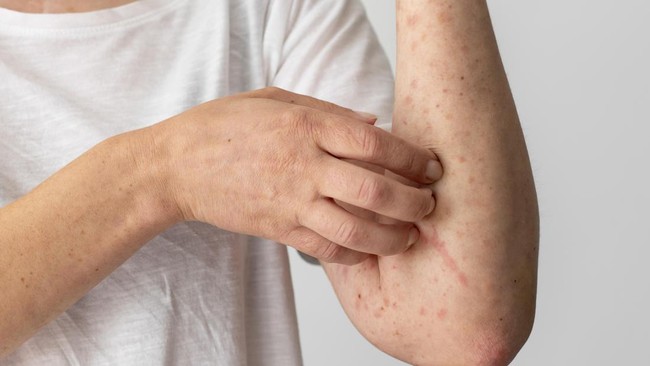
Jakarta, CNBC Indonesia - The Ministry of Health (Kemenkes) has recorded that around 8% of measles cases in Indonesia occur in the adult age group or those over 18 years old. Although the number is smaller compared to children, this group still needs to be wary, especially those with certain health conditions. Acting Director General of Disease Prevention and Control at Kemenkes, dr. Andi Saguni, explained that a person can still contract measles even if they have been vaccinated. This is influenced by various factors, such as weakened immune conditions to the intensity of virus exposure. “Groups with chronic diseases, immune disorders, and healthcare workers with high exposure have a greater risk,” he clarified during an online press conference on Monday (30/3/2026). Andi explained that several conditions that increase the risk include chronic diseases such as diabetes and hypertension, immune disorders including HIV/AIDS, up to cancer or other medical conditions that weaken the body’s resistance. In adults, measles is not always mild. In some cases, the infection can develop into serious complications. Already Vaccinated, Still Can Get It? Andi said that the measles vaccine does indeed form protection. The immunisation programme in Indonesia is generally given twice in childhood, with an additional booster at school age. However, in adulthood, protection can decline, especially if the body’s condition is not optimal. “If immunisation is complete, the risk is usually milder. But it can still be infected under certain conditions,” said Andi. Looking at this trend, Kemenkes is currently studying the possibility of expanding measles vaccination to adult groups, especially healthcare workers who have a high risk of exposure. Analysis of current vaccine clinical trials is being prepared to determine if the programme can be implemented more broadly. Kemenkes reminds the public not to regard measles as an ordinary disease. Initial symptoms such as fever, cough, runny nose, red eyes, and skin rashes need to be watched, especially if they appear together.