
Manufacturing Slump: DPR Pushes to Boost Foreign Investor Confidence in Indonesia
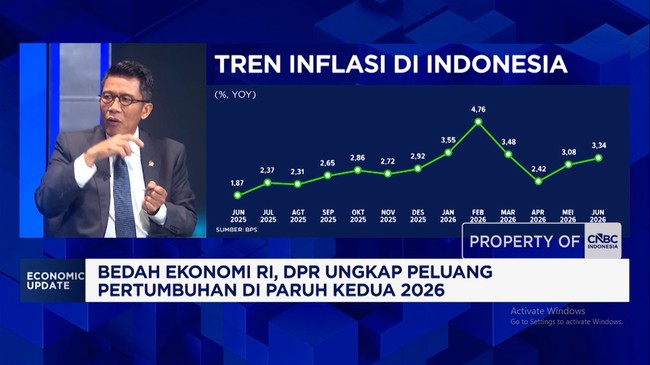
Global uncertainty and geopolitical volatility continue to impact the global economy, including Indonesia. Amid surging global oil prices, supply chain disruptions, and pressure on the Rupiah exchange rate, Indonesia’s inflation rose to 3.24% (yoy) in June 2026, following increases in fuel and airfare prices.
Indonesia’s export-import performance in May 2026 recorded a trade deficit of USD 1.61 billion, primarily due to a widening deficit in the oil and gas sector. Similarly, the Purchasing Managers’ Index (PMI) contracted to a level of 46.9 in June 2026.
Reviewing the release of Indonesia’s macro-economic data, the Chairman of Commission XI of the House of Representatives, Mukhamad Misbakhun, stated that these economic indicators are being closely monitored by the government. Regarding the trade deficit, he noted that this is inseparable from the impact of prioritising domestic needs, such as the reduction in coal and palm oil exports to ensure domestic supply, making this deficit an anticipated consequence.
Misbakhun also expressed concern regarding the contraction of the manufacturing PMI to 46.9, as it relates to the development of Indonesia’s manufacturing industry. Regarding the rise in inflation, he noted it was expected due to the weakening of the Rupiah, which has caused an increase in the cost of imported industrial raw materials, subsequently driving up related goods prices.
In facing these conditions, the House of Representatives is encouraging the realisation of foreign investment in Indonesia to boost manufacturing performance, increase job creation, and stimulate the broader economy.