
Manufacturing PMI Returns to Expansion Zone, Kadin Says Recovery Not Yet Solid
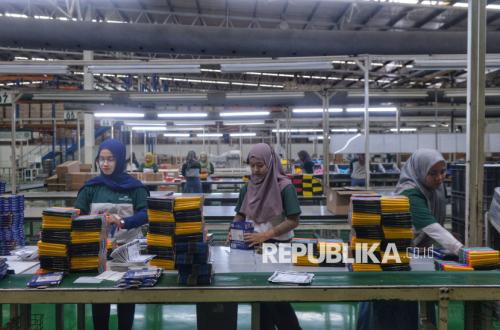
Indonesia’s manufacturing activity returned to expansionary territory in July 2026 after the Purchasing Managers’ Index (PMI) rose to 50.2 from 46.9 in June. Despite moving back above the 50-point threshold, the Indonesian Chamber of Commerce and Industry (Kadin) believes the sector’s recovery still requires strengthening.
Wakil Ketua Umum Kadin Bidang Perindustrian Saleh Husin said the PMI increase indicates that manufacturing activity has begun to recover after contracting the previous month. However, he noted that a single month’s performance is not enough to conclude that national industry has entered a sustainable recovery trend.
“The increase in PMI to 50.2 shows manufacturing activity has returned to an expansionary phase after contracting in June. However, because PMI is a short-term indicator, one month’s achievement is not sufficient to conclude that the industry has entered a strong recovery trend,” Saleh said on Tuesday (4/8/2026).
According to Saleh, recovery needs to be supported by consistent growth over the next several months and backed by other indicators, such as increased industrial output, capacity utilisation, and investment. Compared to other ASEAN countries, Indonesia’s position has begun to improve, but the pace of expansion is still considered moderate.
He explained that the July PMI increase was driven by rising production and improving domestic demand, leading to a renewed increase in new orders. Nevertheless, the industry still faces several challenges, including rising raw material costs, weak export demand, and cautious attitudes among businesses regarding raw material purchases.
“This indicates that the recovery is not yet even and still requires strengthening on the demand side,” he said.
Therefore, Saleh believes it is not yet appropriate to interpret the July PMI increase as a signal that the business world is immediately becoming aggressive in investing or expanding production capacity. “Businesses are expected to continue observing the sustainability of the demand trend in the coming months before expanding capacity or making new investments,” he said.
Meanwhile, economist Ibrahim Assuaibi assessed that the increase in the manufacturing PMI is a positive signal for industrial activity. However, he noted that market participants remain cautious due to various external risks still looming over the global economy. “Caution also colours the market ahead of the release of second-quarter GDP data,” Ibrahim said.
According to Ibrahim, this caution is influenced by global uncertainty and expectations regarding a number of economic indicators that will determine the direction of economic recovery. In addition, the market is also waiting for Indonesia’s second-quarter 2026 economic growth data to gauge the future direction of economic recovery.