
Manpower Ministry Urges Universities to Strengthen Graduate Competencies for the Labour Market
The Ministry of Manpower (Kemnaker) is encouraging universities to strengthen competency-based education so that graduates better match the needs of the labour market. The move is considered important given the persistently high number of unemployed, including among the highly educated.
Statistics Indonesia (BPS) recorded that the open unemployment rate (TPT) in February 2026 reached 4.68 per cent, with a labour force of 154.91 million people. Of that figure, around 7.24 million people remain unemployed.
The absorption of higher education graduates also remains a concern. BPS data shows that as of August 2025 there were 904,440 unemployed university graduates.
These conditions indicate that higher levels of education need to be accompanied by the strengthening of competencies relevant to the needs of the world of work.
Sugeng Heri Suseno, Director General of Labour Placement Guidance and Job Opportunity Expansion at Kemnaker, said strengthening the training ecosystem is an important part of matching workers’ competencies with market needs.
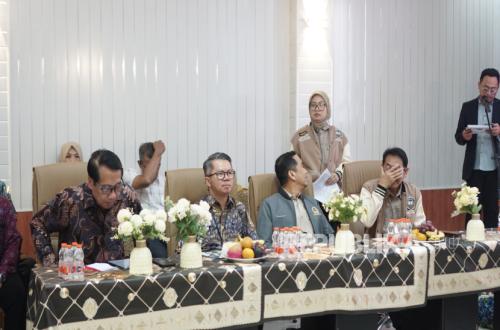
This was realised through the inauguration of the Job Training Institute (LPK) at Politeknik Bhakti Kencana in Cianjur, West Java.
The institute was developed to integrate higher education with job training, apprenticeships, competency certification, entrepreneurship, and the expansion of employment opportunities.
With this model, universities are expected not only to produce graduates, but also to equip students with skills that can be applied immediately upon entering the labour market.
On the same occasion, Politeknik Bhakti Kencana launched four services: Caregiver, Homecare, Day Care, and Baby Care.
The development of these services is a form of vocational education application as well as opening new job opportunities for workers with competencies in the care and support sector.
The development of caregiver workers also gained momentum with the enactment of Law Number 2 of 2026 on the Protection of Domestic Workers. The regulation covers, among other things, competency improvement through vocational training as well as the placement governance and protection of domestic workers.
As such, the demand for care and support workers can be directed towards a more professional services sector through education, training, certification, and clear work standards.
The presence of LPK Politeknik Bhakti Kencana can also form part of efforts to strengthen the link and match between universities and the business and industrial worlds.
Kemnaker itself is strengthening its labour market services through the Indonesian Job Market Centre (Pasker ID), which provides information on job vacancies, job seekers, labour needs, and labour market trends.
Politeknik Bhakti Kencana will subsequently develop competency-based training, apprenticeships, professional skills, and entrepreneurship. This development is aimed at ensuring graduates possess a combination of a diploma, competencies, work experience, and readiness to meet market needs.
Source: jawawa.id (https://jawawa.id/newsitem/manpower-ministry-urges-universities-to-strengthen-graduate-competencies-for-the-labour-market-1789473385)
Originally published by Republika (https://news.republika.co.id/berita/tlea6s522/kemnaker-dorong-perguruan-tinggi-perkuat-kompetensi-lulusan-hadapi-pasar-kerja), translated from Indonesian