
Manpower Ministry Strengthens Synergy Between Academia and Employment Practices
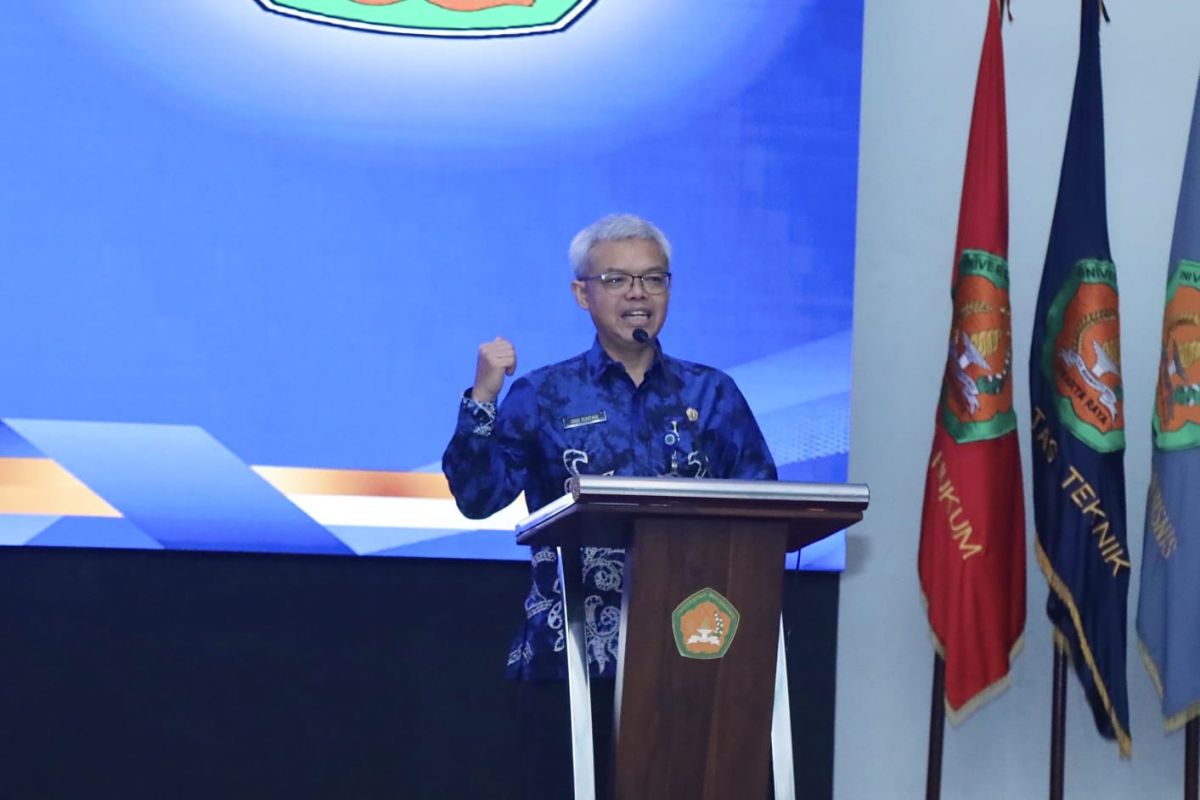
The Ministry of Manpower (Kemnaker) is committed to strengthening synergy between the academic world and employment practices to prepare competent, adaptive, and competitive human resources (SDM) in line with industry needs. Secretary General Cris Kuntadi stated in Jakarta on Saturday that this momentum aims to minimise the mismatch between the competencies of university graduates and the demands of the industrial world. One such effort was the recent signing of a Memorandum of Understanding (MoU) between Kemnaker and Universitas Bhayangkara Jakarta Raya (Ubhara Jaya). Cris noted that universities play a crucial role in preparing talent ready to enter the workforce, developing innovation through research, and contributing to society. Meanwhile, Kemnaker ensures the implementation of a productive, inclusive, and sustainable employment ecosystem. Through this partnership, both parties will synergise in human resource capacity development, joint research, community service, and the utilisation of facilities and infrastructure to support the strengthening of the national employment ecosystem. Cris explained that Kemnaker has various programmes to assist students in transitioning from education to the workforce. These include the National Internship programme or MagangHub, which provides real work experience and portfolios; KarirHub, which offers curated job vacancy information; SkillHub, which provides certified training for upskilling and reskilling; and BizHub for graduates interested in developing entrepreneurship. All these services can be accessed through the SIAPKerja platform. The ministry also runs student development programmes to provide a realistic picture of the working world, covering job application processes, professional communication, and interview techniques. Cris encouraged students, particularly those in their final semesters, to utilise these government-provided programmes and services to enhance their readiness to enter the job market. He expressed hope that the collaboration would yield tangible benefits, including improved human resource competencies, strengthened employment research, community service through the Tenaga Kerja Mandiri programme, closer ties between education and industry, and data-driven employment policymaking.