
Manpower Ministry Expands Women's Work Access Through Optimised Training
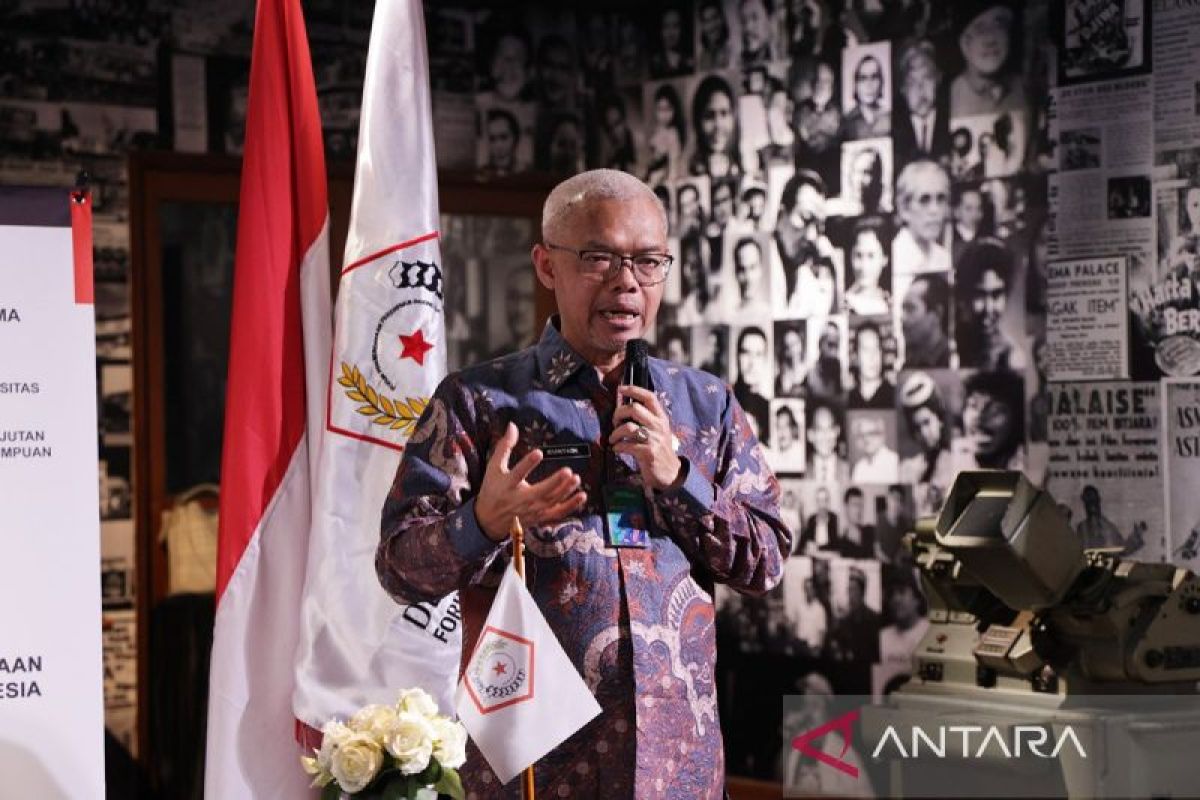
Jakarta (ANTARA) - The Ministry of Manpower (Kemnaker) has reaffirmed its commitment to expanding employment access for women by optimising the government’s vocational training infrastructure.
In an official statement in Jakarta on Thursday, the Secretary-General of the Ministry of Manpower, Cris Kuntadi, stated that the public can utilise the network of Vocational Training and Productivity Centres (BPVP) and Job Training Centres (BLK) distributed at both central and regional levels as facilities to hone their skills.
“The collaborations being built must be able to deliver real benefits to the community, particularly in expanding access to training and employment opportunities,” said Cris.
In addition to strengthening competency-based training, he noted that the Ministry of Manlarpower is currently expanding the reach of its employment programmes.
This step, Cris continued, is being taken to ensure that more members of the public can increase their competitiveness in an increasingly competitive labour market.
Furthermore, he mentioned that the Ministry is also establishing partnerships with strategic partners to support sustainable employment access and the capacity building of human resources based on women’s empowerment, including a partnership with the Indonesian Women’s Empowerment Forum (FPPI).
To accelerate service efficiency, the Ministry of Manpower has also integrated its programmes into a digital ecosystem through the SIAPkerja platform.
Through this ecosystem, Cris stated that the public and FPPI members can access various integrated online services, ranging from training information, job vacancies, and internship programmes to business development and professional certification.
On the other hand, he expressed hope that the FPPI management at the regional level would immediately strengthen coordination with local training centres and manpower offices.
He assessed that strong coordination at the grassroots level is crucial to ensure that these points of cooperation can be implemented concretely.
“The partnerships being built must be followed by measurable programme implementation capable of providing a real impact on increasing the economic independence of the community, particularly for women,” Cris added.