
Manpower Ministry: Downstreaming Sector Has Potential to Create Formal Employment
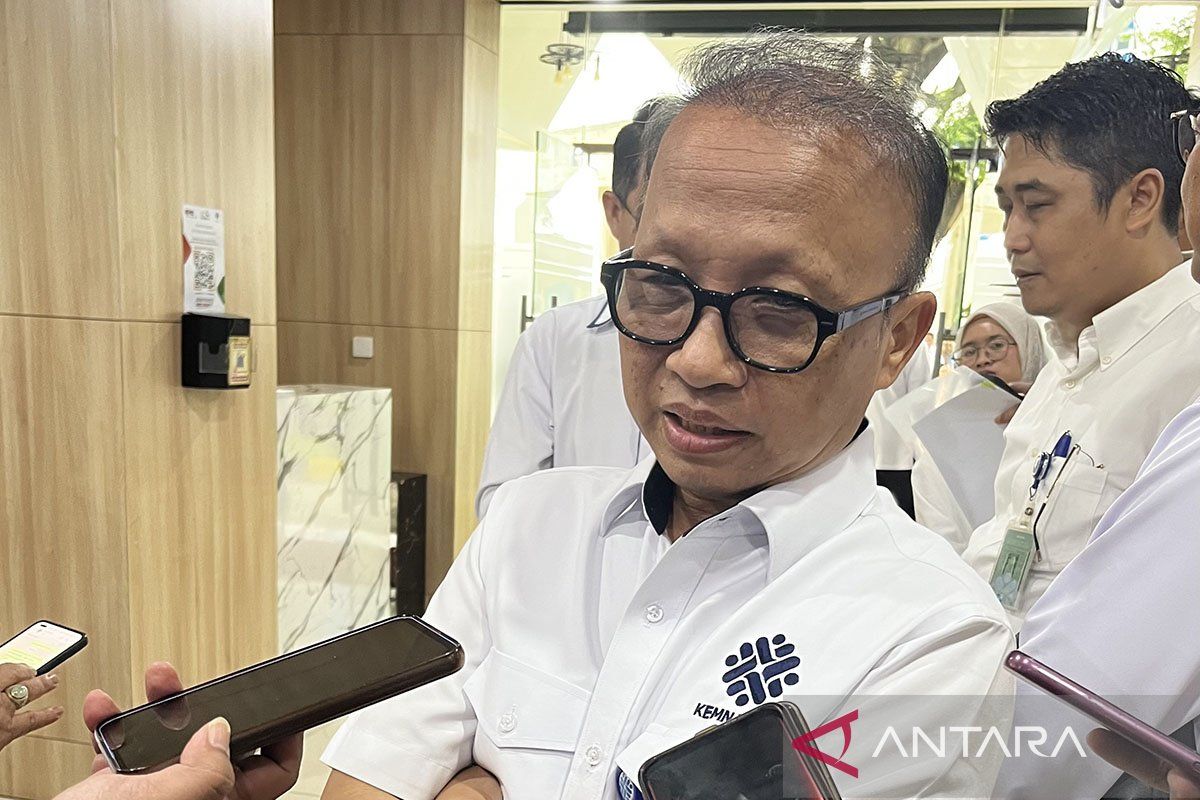
The Ministry of Manpower (Kemnaker) has said that the downstreaming sector and environment- and climate-based jobs (green jobs) have significant potential to create formal employment in Indonesia.
“According to the study by the Agency for Manpower Planning and Development (Barenbang) as set out in the 2026 Employment Outlook, the priority sectors are industrial downstreaming such as minerals, plantations and fisheries,” said Head of Barenbang Kemnaker Anwar Sanusi when contacted in Jakarta on Thursday.
“Furthermore, other sectors are the digital economy, the green economy, and modern services,” he added.
Anwar went on to say that other sectors such as agro-industry and tourism are also expected to be able to create many formal job opportunities in Indonesia.
Meanwhile, Head of the Public Relations Bureau of Kemnaker Faried Abdurrahman Nur Yuliono said the government is still working to expand the job creation base for formal employment through priority sectors.
This, he continued, is as stated in the Strategic Plan of the Ministry of Manpower and the National Manpower Plan (RTKN).
Faried said that the creation of formal jobs with high economic value, such as industrial downstreaming, is focused on the processing of minerals such as nickel, copper, bauxite and coal, plantations, oil and gas, and fisheries.
In addition, the digital economy and information technology, as well as the processing/manufacturing industry, trade and health services, and tourism also have great potential to open up formal employment.
“These sectors are identified in the projected manpower needs for 2025–2029 as the largest contributors to the absorption of higher education and vocational graduates,” said Faried.