
Manpower Ministry Adjusts Labour Regulations to Address Evolving Work Dynamics
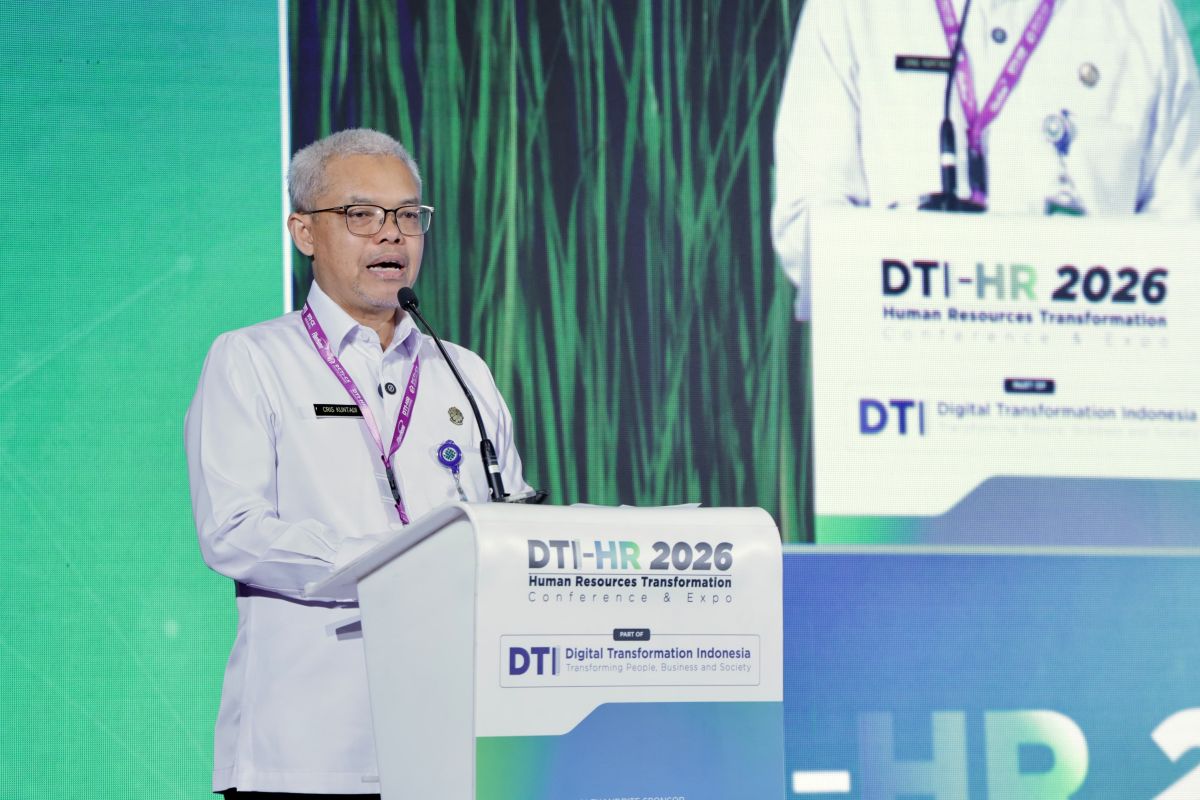
The Ministry of Manpower (Kemnaker) is adjusting labour regulations to respond to the continuously evolving dynamics of the world of work. These adjustments cover the regulation of fixed-term employment agreements (PKWT), outsourcing, and the platform-based digital economy (gig economy), while maintaining a balance between business flexibility and worker protection.
Ministry Secretary-General Cris Kuntadi stated in Jakarta on Friday that changes in business models and work patterns demand adaptive regulations without neglecting legal certainty for both workers and business actors. "Labour regulations must be able to keep up with the dynamics of the world of work. On one hand, the business world requires flexibility, but on the other hand, workers’ rights must still be protected," Cris said.
He further explained that PKWT remains a recognised part of the employment relationship system under the law. However, its application must be tailored to the nature, type, and duration of the work to provide legal certainty for both workers and employers. "PKWT is not merely a cost-efficiency tool. Its use must be adjusted to the nature, type, and duration of the work while still fulfilling workers’ rights," he stated.
Beyond PKWT, the ministry is also continuing to refine regulations on outsourcing by providing clarity on the scope of work, requirements for service providers, and standards of protection for workers. This step is expected to create more transparent and accountable industrial relations and provide legal certainty for all parties. Cris noted that the successful implementation of outsourcing regulations depends heavily on compliance by both user companies and service providers with the prevailing provisions. Good governance is a crucial foundation for minimising the potential for industrial relations disputes while fostering a healthy business climate.
Cris added that the development of the digital economy has also introduced new forms of working relationships through the gig economy. The platform-based work model opens up wider economic opportunities, but at the same time requires a regulatory approach that can accommodate the evolving characteristics of working relationships without diminishing worker protection. "We want innovation to continue to grow, but workers must also obtain protection for their rights. Therefore, labour policy must be able to keep pace with changes in the world of work," he said.
According to him, these changes are also transforming the role of human resources (HR) practitioners, who are no longer just performing administrative functions but are becoming strategic partners for companies. Their role is to ensure that every employment policy is implemented in accordance with regulations from the planning stage, starting from the formulation of PKWT schemes, management of outsourcing, to the governance of platform-based workers.
Source: jawawa.id (https://jawawa.id/newsitem/manpower-ministry-adjusts-labour-regulations-to-address-evolving-work-dynamics-1786078388)
Originally published by Antara (Indonesian) (https://www.antaranews.com/berita/5683675/kemnaker-sesuaikan-aturan-ketenagakerjaan-hadapi-dinamika-dunia-kerja), translated from Indonesian