
Manpower Minister Responds to Call for Review of Outsourcing Regulation
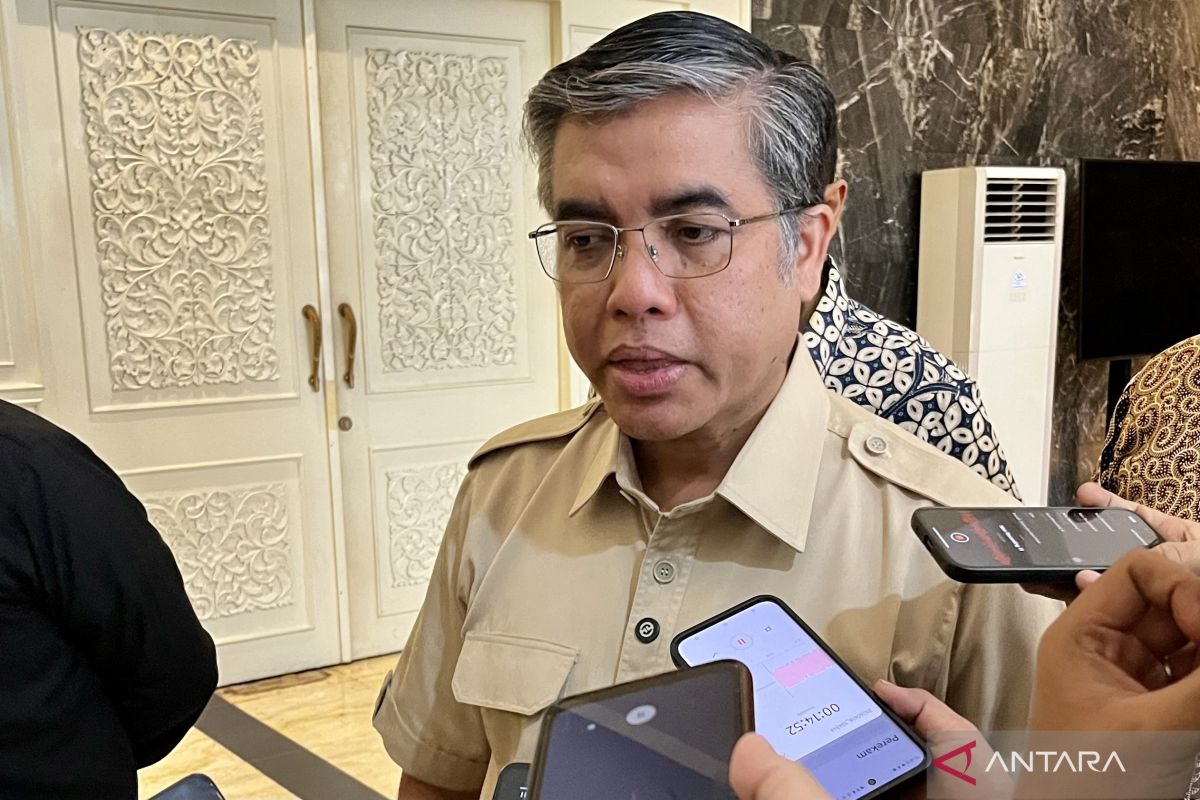
Manpower Minister Yassierli has responded to a proposal to review Manpower Ministerial Regulation No. 7 of 2026 concerning Outsourced Work. “We understand that there were dynamics and phases during the discussions at the National Tripartite Cooperation Institution, with input from employers and from our trade union and labour union colleagues,” the Minister said when met in Jakarta on Thursday. “We from the government see that if there is indeed an aspiration to review it, then we will be ready to review it. Just wait,” he added. Previously, on Thursday, the President’s Special Advisor for Manpower and Labour Welfare, Said Iqbal, proposed that the regulation be revised so that the outsourcing scheme is only applied to four types of work. Said Iqbal considered that at least four jobs should still be permitted to use outsourced workers, such as security guards, drivers, food provision or catering, and cleaning staff. Additionally, he proposed that the employment relationship status of outsourced workers be clarified. Responding to this, Minister Yassierli said that such aspirations need to be discussed with relevant stakeholders according to the established stages. “Yes, any regulation must involve social dialogue, meaningful participation, and we must go through that,” said Yassierli. Meanwhile, Ministerial Regulation No. 7 of 2026 itself is a follow-up to Constitutional Court Decision Number 168/PUU-XXI/2023, which mandated restrictions on outsourced work. The policy aims to provide legal certainty, strengthen the protection of workers’ rights, while maintaining business continuity. Under this rule, the government strictly limits the types of outsourced work to specific fields only, namely cleaning services; food and beverage provision; security; provision of drivers and worker transport; operational support services; and support work in the mining, oil, gas, and electricity sectors. Furthermore, employing companies that hand over part of their work to outsourcing companies are required to have a written agreement. This agreement must at minimum contain the type of work being outsourced, the duration, work location, number of workers, labour protection, and the rights and obligations of the parties. On the other hand, outsourcing companies are also obliged to fulfil all workers’ rights in accordance with statutory provisions, including those related to wages, overtime pay, working hours and rest periods, annual leave, occupational safety and health, health and employment social security, religious holiday allowances, and severance pay upon termination of employment.