
Mangroves Require Care, Not Just Planting
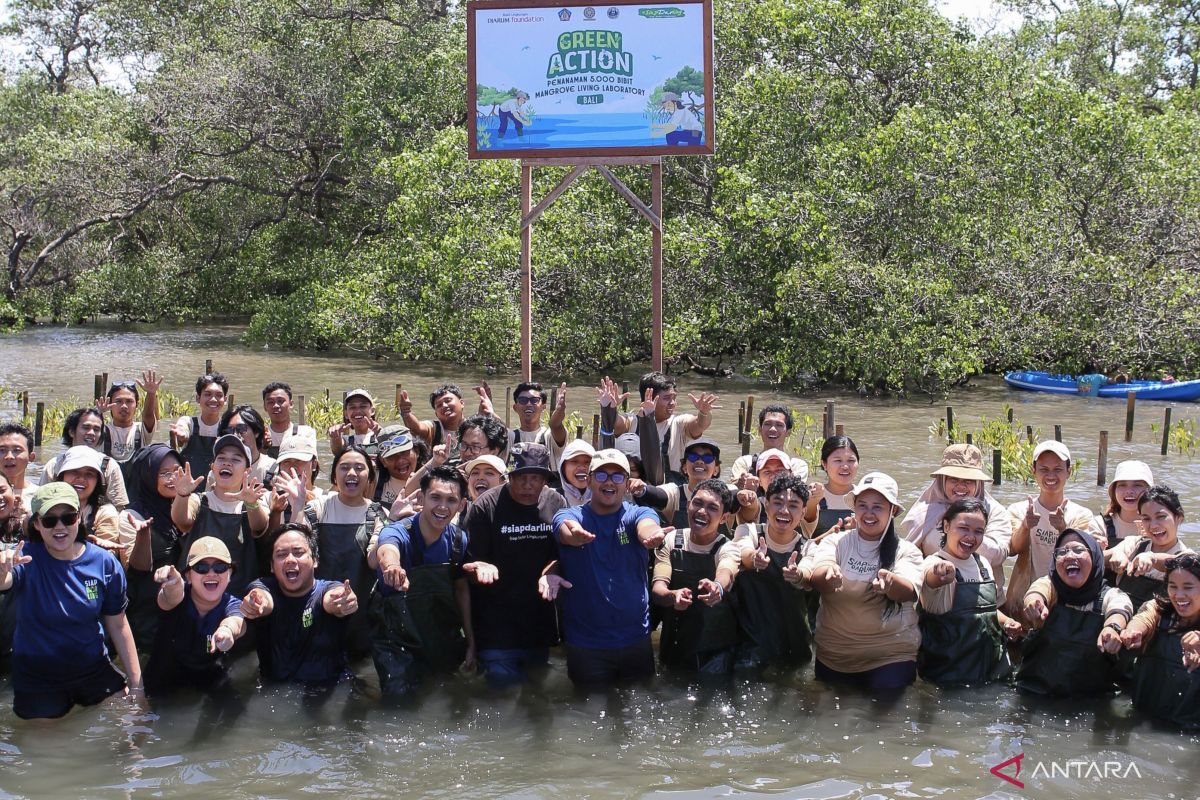
Nature will repay every good deed humans perform towards it.
In the Pemogan area, South Denpasar, Bali, a natural fortress stands firm, embracing the coastline. This is the Ngurah Rai Grand Forest Park (Tahura), a perfect place to step away from the hustle and bustle of traffic and the scorching sun of Denpasar City.
As soon as one steps into this area, the city’s commotion immediately transforms into silence. The sound of vehicle horns gradually fades, replaced by a natural symphony of birdsong, the rustle of wind weaving through leaves, and the gentle lapping of brackish water against tree roots.
The air inhaled feels far fresher, as if the lungs have just been given a relieving breath of artificial respiration.
Tahura Ngurah Rai is no ordinary forest. This 1,373-hectare area consists largely of approximately 1,000 hectares of dense mangrove forest that is seriously managed and preserved.
A long history accompanies this area. The massive mangrove planting that transformed Bali’s coastline into the lush green belt seen today was initially made possible through the assistance of the Japan International Cooperation Agency (JICA).
Behind the beauty and lushness of the mangrove leaves lies a long story of struggle, collaboration, and field realities that go far beyond the mere word “beautiful.”
More than just coastal plants.