
Mangroves Measure Civilisation
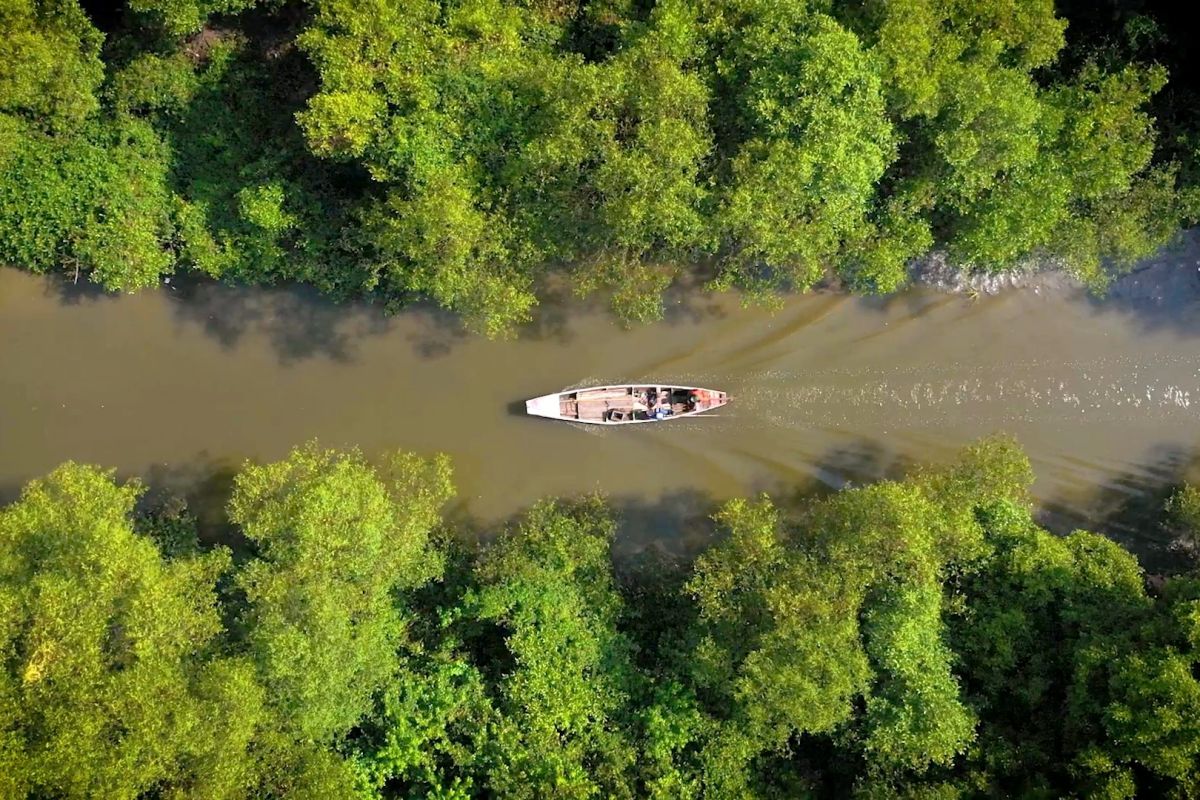
Behind the rows of buildings, highways, and ever-expanding residential areas, the city of Surabaya in East Java still holds spaces that work in silence. Mangrove roots hold the mud, filter the water, dampen the waves, while providing a home for wildlife rarely seen by the human eye. It is in such places that nature shows a modern city does not have to lose its ecological pulse.
The presence of birds coming and going, butterflies breeding, tree-climbing crabs, and wild fishing cats is not merely a list of inhabitants in a conservation area. Their presence is nature’s language conveying one important message: that an ecosystem is still functioning as it should.
This message becomes even more meaningful when it emerges from a metropolitan city like Surabaya. Amid the pressures of urban development, living spaces for wildlife are increasingly limited. Therefore, every indicator of biodiversity is not just good news for the environment, but also a measure of a city’s success in maintaining a balance between development and conservation.
The Surabaya Mangrove Botanical Garden illustrates this picture. The area, managed by the Surabaya City Government, now hosts 74 mangrove species, or nearly 30 percent of Indonesia’s approximately 245 mangrove species.
This number makes it the most complete mangrove collection compared to other mangrove areas in Indonesia. Moreover, this area is the only mangrove-themed botanical garden in the country, serving functions of conservation, research, education, and environment-based tourism.
The presence of around 35 species of birds, both resident and migratory, shows that the food chain in the area is still occurring naturally. The discovery of the fishing cat through academic research carries an even deeper ecological meaning. This wild animal is known to be very sensitive to habitat changes, so its appearance is often used as an indicator of good environmental quality.
All these facts serve as a reminder that protecting mangroves is not just about planting trees. What is truly being preserved is an interconnected system of life.