
Mangroves Drive Decarbonisation in Sustainable Energy Transition
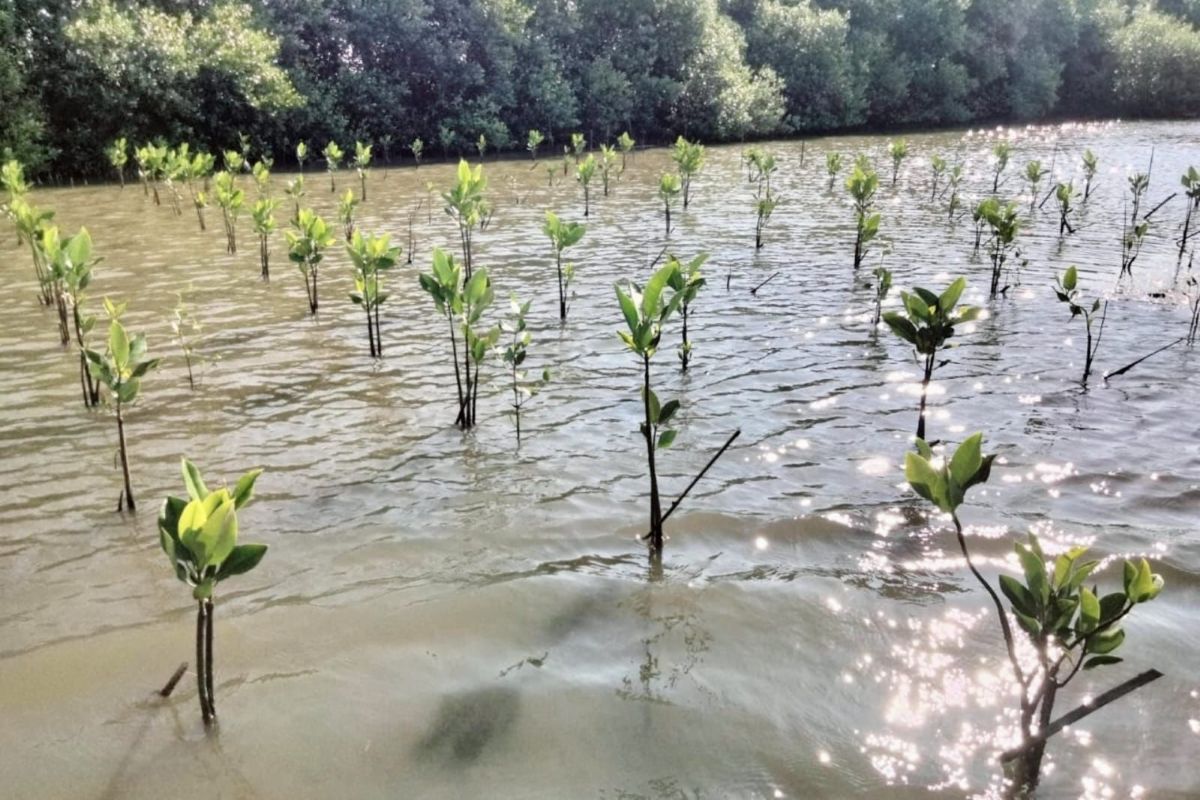
PT PLN Energi Primer Indonesia (PLN EPI) is reinforcing its decarbonisation and sustainable energy transition efforts through nature-based solutions. This commitment was demonstrated via the HSSE Talk #4 event titled ‘Nature-Based Solutions for Decarbonisation: Unlocking the Power of Blue Carbon Ecosystems’ held to commemorate the 2026 International Biodiversity Day. The virtual event on Friday, 22 May, was attended by PLN EPI Group management and staff as part of efforts to strengthen sustainability culture within the company. Muhammad Aminuddin, Vice President of Safety, Health, and Environment (K3KL) at PT PLN Energi Primer Indonesia (PLN EPI), stated that the company not only focuses on maintaining national energy supply resilience but also has a responsibility towards environmental sustainability, particularly coastal ecosystems. ‘PLN EPI plays a strategic role in supporting national energy resilience. However, we also have a responsibility to protect coastal ecosystems, which serve as habitats for mangroves and seagrass beds as natural carbon sinks or blue carbon,’ Aminuddin said. He explained that mangrove and seagrass ecosystems can absorb carbon up to ten times more effectively than terrestrial forests. This potential positions coastal areas as a crucial solution for supporting national emission reduction targets and achieving Indonesia’s 2060 Net Zero Emission goal. PLN EPI also highlighted escalating climate threats, including rising sea levels, coastal erosion, and extreme weather, which directly impact coastal communities. According to CarbonEthics data, Indonesia has approximately 3.4 million hectares of mangrove areas with a storage capacity of 3.1 billion tonnes of CO2. However, around 40% of Indonesia’s mangrove areas have degraded over the past three decades. According to Aminuddin, future energy business development must adopt more responsible and sustainable approaches. ‘PLN EPI must position itself as a pioneer in integrating nature-positive strategies into energy operations. Sustainability is no longer an add-on but a vital component in building resilient and value-adding future energy businesses,’ he said. At the forum, PLN EPI featured Farhan Prastiyan, Senior Business Development Manager at CarbonEthics, as a speaker. Prastiyan noted that nature-based solutions present significant opportunities to support climate change mitigation while creating economic and social benefits for coastal communities. He added that mangrove rehabilitation, peatland conservation, and sustainable coastal management not only enhance carbon absorption capacity but also open up new economic opportunities through blue economy initiatives and local community empowerment. One tangible implementation is the Karawang mangrove rehabilitation project involving local communities. The programme generates economic benefits for coastal residents through training, SME development, and eco-tourism sector strengthening. Through HSSE Talk #4, PLN EPI hopes all company personnel will better understand the importance of preserving biodiversity and coastal ecosystems as part of tangible efforts to combat climate change. This aligns with the theme of the 2026 International Biodiversity Day, ‘Acting Locally for Global Impact’, which underscores the importance of local actions in creating global impacts for Earth’s sustainability. (E-3)