
Manggarai Integration Strengthens Urban Public Transport Connectivity
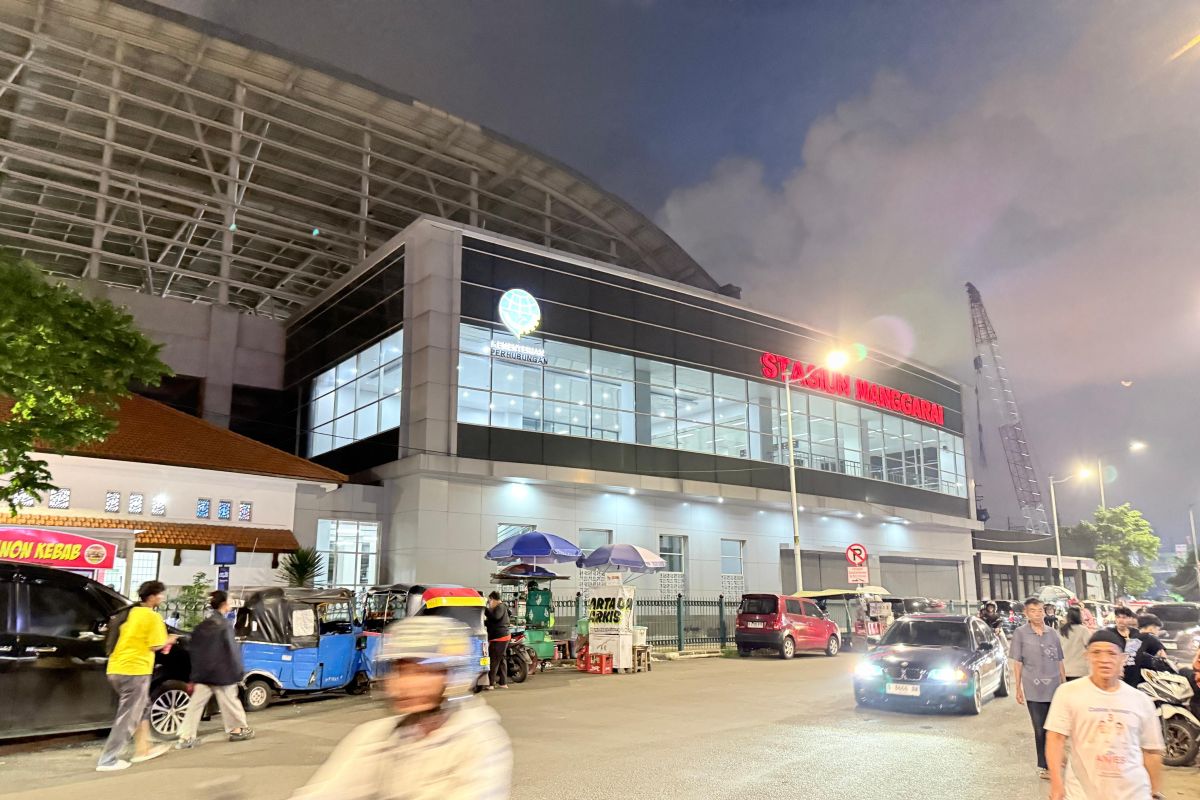
Manggarai continues to develop as a strategic mobility hub that connects KRL journeys, the Airport Commuter Line, TransJakarta, terminals, and the Jakarta LRT Phase 1B development plan.
The growing mobility of urban residents is driving the need for an increasingly intermodal transport system. In this context, Manggarai Station plays a vital role as one of the largest transfer points in the Jabodetabek area, linking various public transport services within a single integrated zone.
PT Kereta Api Indonesia (Persero) supports the development of intermodal integration in the Manggarai area as part of strengthening urban public transport connectivity. The integration is expected to accelerate inter-service transfers, shorten travel times, and broaden access for the public to the economic, educational, and public services hubs in Jakarta and its surroundings.
Anne Purba, Vice President of Corporate Communications at KAI, said that Manggarai is currently evolving into a meeting point for journeys from various catchment areas toward the city centre. She noted that the need for transport integration is increasingly important as daily urban mobility rises.
‘Intermodal integration at Manggarai is an important part of building journeys that are more efficient, connected, and accessible to the public. When intermodal transfers run more smoothly, people’s travel times can be more efficient and the use of public transport will also increase,’ said Anne.
KAI data show that during 2023–2025 the number of KRL passengers passing through Manggarai node stood at 5,142,739 in 2023, rising to 5,575,711 in 2024, and 5,456,309 in 2025. Meanwhile, from January–April 2026, passenger volumes reached 1,802,445. The consistency of these volumes reflects Manggarai’s strong role as the main mobility connector for urban residents.
Manggarai’s role is further strengthened through its connection with the Airport-bound Commuter Line service to Soekarno-Hatta Airport. This service recorded passenger growth from 1,970,531 in 2023 to 2,242,536 in 2024, then rising to 2,346,934 in 2025. From January–April 2026, the Airport Commuter Line served 837,778 passengers. Specifically at Manggarai Station, the Airport Commuter Line passenger volume for January–April 2026 stood at 161,074 passengers.
The push to strengthen integration at Manggarai also aligns with the Jakarta LRT Phase 1B Velodrome–Manggarai development plan, designed to support intermodal integration at Manggarai Station as a major hub. The project has a route length of 6.4 kilometres with five stations and is targeted to serve 80,000 to 100,000 passengers per day once operational.
In Manggarai’s integration development materials, the area is designed to connect with KRL, Airport Commuter Line, TransJakarta, terminal, and the Jakarta LRT network through an integrated, seamless connectivity concept. The integration plan is divided into three zones connecting the TransJakarta stop area, Manggarai Terminal, and the concourse areas of the Airport Commuter Line Station and Manggarai Station.
Anne added that the success of urban public transport is determined by the ease of transferring between journeys. Therefore, integration development is a crucial factor in sustaining urban mobility amid the growing dynamism of the metropolitan region.
‘Transportation will be more effective when each mode can connect well with others. The Manggarai integration is expected to strengthen the role of mass transit as an efficient, safe mobility option that can reach more activity areas,’ concluded Anne.