
Manggarai Cycle Path Clogged with Rubbish, Cyclists: Our Rights Are Being Taken Away
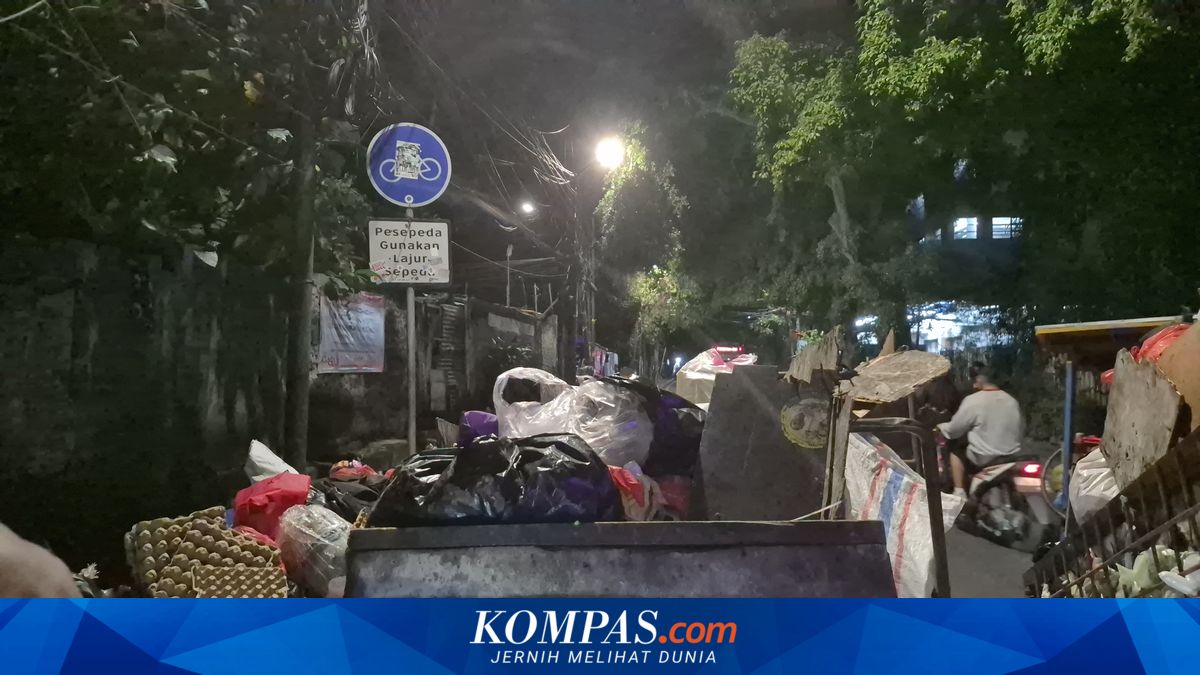
JAKARTA — When the streetlights in Manggarai, South Jakarta, begin to illuminate and the roar of vehicles grows louder than during the day, one sight captures attention. The cycle lane on Jalan Dr. Saharjo in Manggarai, which should serve as a safe space for cyclists, has instead become a temporary rubbish collection point (TPS). Colourful plastic bags, used cardboard boxes, plywood, and food scraps are visible filling the one-metre-wide green lane every night. The second point where the cycle lane serves as a TPS is right in front of the Manggarai Bus Shelter or Taman Infinia Park. Dozens of rubbish collectors flock with their fully loaded carts to these two points on the cycle lane every night. They wait for the rubbish in their carts to be picked up by trucks from the Jakarta Environmental Agency (DLH). This rubbish collection activity blocks the cycle lane, making it impassable. This is because the rubbish carts and collection trucks park right on the left side of the road, which should function as the cycle lane. Often, the cycle lane is filled with piled-up rubbish that scatters when blown by the wind. “Actually, this situation is very dangerous for cyclists; our lane is taken, our rights are seized,” said one cyclist, Dani (27), when interviewed by Kompas.com at the location on Tuesday (21/4/2026). He admitted that every time passing by Pasaraya Manggarai and the Manggarai Bus Shelter, he is forced to use the public vehicle lane and compete with cars and motorbikes. This is because the cycle lanes at these two points are often completely blocked during the nightly rubbish collection activities. Dani said that in the morning, the cycle lane is indeed clean again from the rubbish piles. However, residue from leachate is still frequently found, making the surface slippery and disrupting safety.