
Mandatory Registration for Global PSE Proves Government's Commitment to Protecting Competitiveness of Local PSE
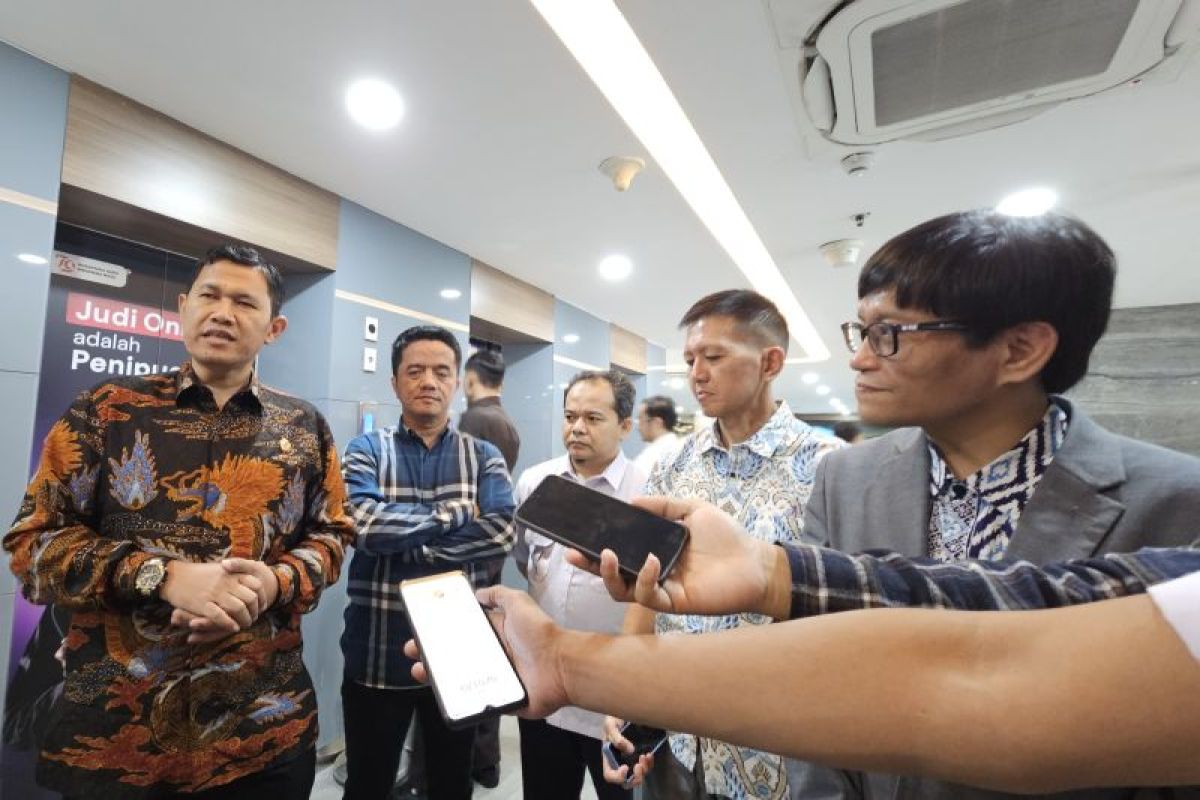
Jakarta (ANTARA) - Cybersecurity expert Dr. Pratama Dahlian Persadha stated that the government’s regulation requiring global Electronic System Operators (PSE) operating in Indonesia to register serves as evidence of the government’s commitment to safeguarding the competitiveness of local PSE. According to him, domestic digital businesses have long been obligated to comply with various regulations, from licensing to data protection, while some global platforms operate without equivalent requirements. This creates an imbalance that could potentially weaken local competitiveness. “By imposing the same obligations on all actors, the principle of a level playing field (fair competition) can be upheld. From the perspective of the digital economy and cybersecurity, regulatory equality will encourage healthier innovation and reduce risks from irresponsible practices by parties exploiting cross-jurisdictional legal gaps,” said Pratama, who is also the chairman of the cybersecurity and communication research institute CISSReC, to ANTARA in Jakarta on Wednesday. Unfortunately, the Wikimedia Foundation has so far shown no good faith in fulfilling its obligations in accordance with Minister of Communication and Informatics Regulation Number 5 of 2020 on Private Scope Electronic System Operators. Therefore, the Ministry of Communication and Digital Affairs issued an ultimatum to the Wikimedia Foundation on Wednesday (15/4) before taking further firm steps in accordance with applicable laws. Based on the applicable regulations, PSE that fail to register may face sanctions ranging from written warnings to service access disconnection or blocking. According to Pratama, the step taken by the Ministry of Communication and Digital Affairs to ultimatum the Wikimedia Foundation is appropriate and even follows the current global trend of creating a pattern known as digital sovereignty. “Countries are no longer fully surrendering the digital space to global market mechanisms but are striving to assert their jurisdiction through regulatory instruments. Indonesia, in this case, is on a path aligned with that trend,” said Pratama. The ultimatum to Wikimedia reflects the state’s efforts to balance internet openness with the need for control and accountability. The main challenge ahead in implementing this policy, according to Pratama, is ensuring that the policy runs consistently, transparently, and adaptively to the unique characteristics of global platforms.