
Mandatory Halal Certification Takes Effect in October 2026: Textile Entrepreneurs' Response
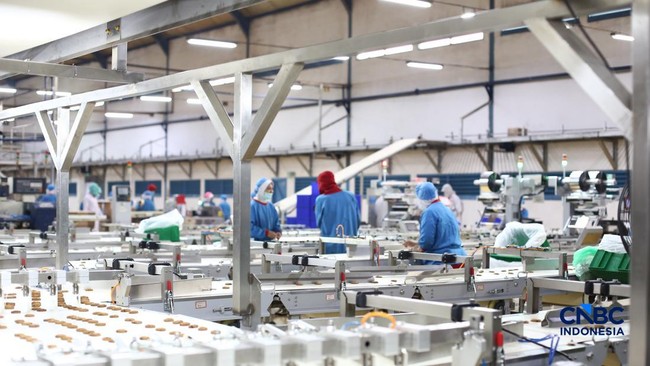
Jakarta, CNBC Indonesia - The obligation for halal certification in the textile industry, which will take effect in October 2026, is beginning to be responded to by business players. Although still facing several challenges, the industry assesses that the implementation of this regulation is not something entirely new.
Secretary General of the Indonesian Filament Yarn and Fibre Producers Association (APSyFI) Farhan Aqil Syauqi revealed that some industry players have actually adapted earlier, especially in the upstream sector.
“For the upstream industry, several have already obtained halal certification, particularly the large industries. However, this must be balanced by the midstream and downstream industries,” he stated to CNBC Indonesia on Thursday (23/4/2026).
He emphasised that readiness cannot be viewed partially. The textile industry chain must move together so that the implementation runs effectively, given the strong interconnections between the upstream, midstream, and downstream sectors.
On the other hand, the issue of reliance on imported raw materials is often cited as the main obstacle. However, according to Farhan, the problem is not solely about availability, but rather the commitment of business players in building a halal ecosystem.
“Our textile ecosystem is already integrated domestically. It’s just a matter of willingness from each entrepreneur. We from the association always encourage the formation of a halal ecosystem in the textile industry. This halal ecosystem in textiles must be built alongside fair enforcement of the law against non-halal products as well,” he explained.
The push for building this ecosystem is deemed crucial, especially to ensure the same standards between domestic and imported products. Without it, domestic industry players risk facing unbalanced competition.
Besides raw materials, another equally important challenge is the aspect of socialisation and readiness of the supporting system. According to Farhan, understanding among business players still needs to be strengthened so that implementation runs optimally.
“Currently, the challenge is related to socialisation and the formation of a halal ecosystem. If halal can be implemented, product traceability will certainly be easier once the system is in place,” he said.
From a regulatory perspective, industry players are still awaiting more detailed clarity, particularly regarding the certification scheme and the availability of experts supporting the process.
“We need a clear scheme for halal and experts. This requires support from the government,” he stated.
Nevertheless, concerns that halal certification will drive price surges are considered exaggerated. The textile industry is said to be accustomed to various certification processes, so the additional costs are deemed insignificant.
“Price increases will certainly not be significant. The textile industry is used to certifications. So this should be normal,” said Farhan.