
Mandatory Halal Certification for MSMEs Under Consideration, Maman: They Face Limitations
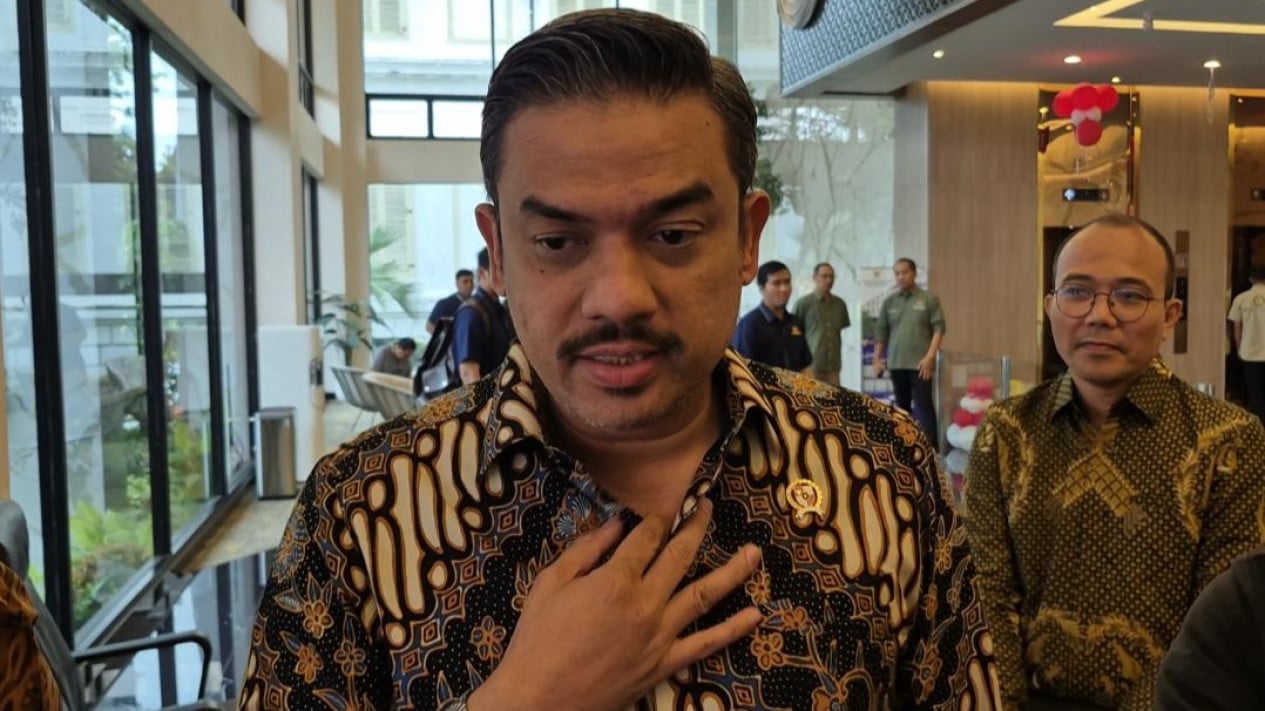
Ahead of the implementation of mandatory halal certification on 18 October 2026, the government is still considering the circumstances of micro and small enterprises (MSMEs) in applying the regulations for certain products.
The Minister of Micro, Small, and Medium Enterprises, Maman Abdurrahman, noted that the conditions of MSME players cannot be equated with those of medium or large-scale companies. The limitations faced by some MSMEs will be one of the government’s considerations in enforcing the rule.
“The government will continue to look at the aspect of wisdom in this matter. It does not mean that if they (MSMEs) have not yet processed it, we will simply leave them. I believe there will be wisdom and discretion from our side,” MHM said when met in Jakarta on Saturday, 19 September 2026.
Maman assessed that businesses on a medium to large scale generally have a better understanding of regulations. They are also considered to have stronger capital support compared to micro-entrepreneurs.
Conversely, micro and small enterprises still face various limitations, meaning the implementation of mandatory halal certification needs to take their conditions into account.
“Because we cannot equate micro and small enterprises (MSEs) with our friends in medium-sized businesses. Their legal literacy and understanding are already high, and their capital is also quite strong. However, micro-entrepreneurs have several limitations. Therefore, there will be some consideration from us,” he explained.
Previously, Maman stated that his ministry would prepare policies to facilitate MSMEs in meeting their halal certification obligations. One such ease of access is already available through the self-declare scheme managed by the Halal Product Assurance Agency (BPJPH). This programme is intended for micro and small business actors so that the halal certification process can be carried out more easily.
“BPJPH has also issued policies regarding self-declaration. This means it is one of the ways to provide ease to our friends in the micro and small business sectors,” Maman said when met at the DPR RI Building, Central Jakarta, last Monday (14/9).
Meanwhile, the mandatory halal certification will come into effect on 18 October 2026 for food and beverage products as well as serving services, including restaurants, in accordance with applicable provisions.