
Mandatory Halal Certification Delayed Until 2028: Government Explains Why
Jakarta, CNBC Indonesia – The government has decided to extend the transition period for mandatory halal certification for a number of products and services until October 2028. The policy takes into account the readiness of the national halal ecosystem, as well as feedback from business associations and industry.
The adjustment is being made through an amendment to Government Regulation (PP) No. 42 of 2024 on the Implementation of Halal Product Assurance. Previously, several certification requirements were scheduled to take effect on 18 October 2026.
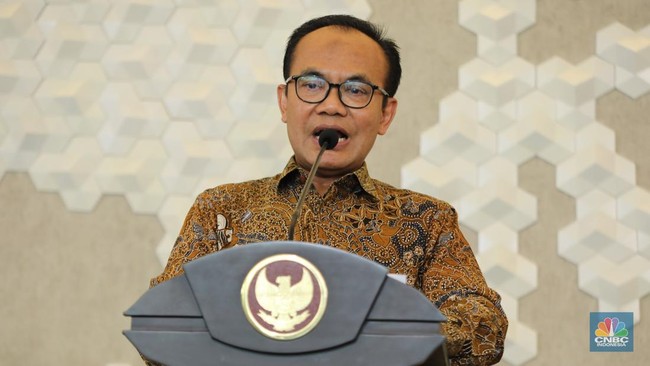
Susiwijono Moegiarso, Secretary of the Coordinating Ministry for Economic Affairs, said the extension was needed to ensure the requirements could be implemented effectively while taking account of the preparedness of all parties involved.
“Taking into account the readiness of the halal ecosystem, the Government is extending the transition period for the implementation of mandatory halal certification through a Government Regulation amending Government Regulation No. 42 of 2024,” Susiwijono said at an online briefing on policies related to mandatory halal certification, as quoted on Sunday (18 October 2026).
One adjustment concerns mandatory halal certification for micro and small enterprises (MSEs). The transition period for food, beverages, slaughtered products and slaughtering services has been extended until 17 October 2028.
The requirements for these businesses will therefore come into force on 18 October 2028.
The adjustment also applies to food, beverages, slaughtered products and slaughtering services originating overseas. Mandatory halal certification for these imports will take effect on 18 October 2028, taking into account the completion of mutual recognition arrangements for halal certificates.
The government has also revised the transition timetable for several product groups previously due to comply by 2026. These include natural medicines, quasi-medicines, health supplements, cosmetics, chemical products, genetically engineered products and certain categories of consumer goods.
The transition period for halal certification for these product groups has been extended until 17 October 2028.
Not all products have been given the same extension. The government has retained the existing deadlines for certain medicines: over-the-counter and limited over-the-counter medicines until 17 October 2029, and prescription medicines, excluding psychotropic drugs, until 17 October 2034.
Another adjustment covers halal certification requirements for services related to food, beverages and slaughtered products, excluding slaughtering services. The provisions, set out in the amended Article 160, will take effect on 18 October 2028.
The government will also revise the implementing rules for PP No. 42 of 2024. In addition, Halal Product Assurance Agency (BPJPH) Regulation No. 4 of 2026 on Ensuring the Conformity of Foreign Halal Products Entering Indonesia will be revoked.
The government said the revised timetable does not change its commitment to halal product assurance. The policy is intended to ensure effective implementation while giving businesses time to prepare to meet the requirements.
The government also expects the policy to protect consumers, provide certainty for businesses, maintain smooth trade and strengthen the competitiveness of Indonesia’s halal industry.
Mandatory halal certification is based on Law No. 33 of 2014 on Halal Product Assurance, as amended by Law No. 6 of 2023. Its implementing provisions include PP No. 42 of 2024.
The policy briefing involved representatives of ministries and agencies, BPJPH, business associations and industry as part of the government’s efforts to ensure the national halal ecosystem is ready.