
Maluku Governor: Special Archipelagic Region Bill Must Strengthen Local Authority
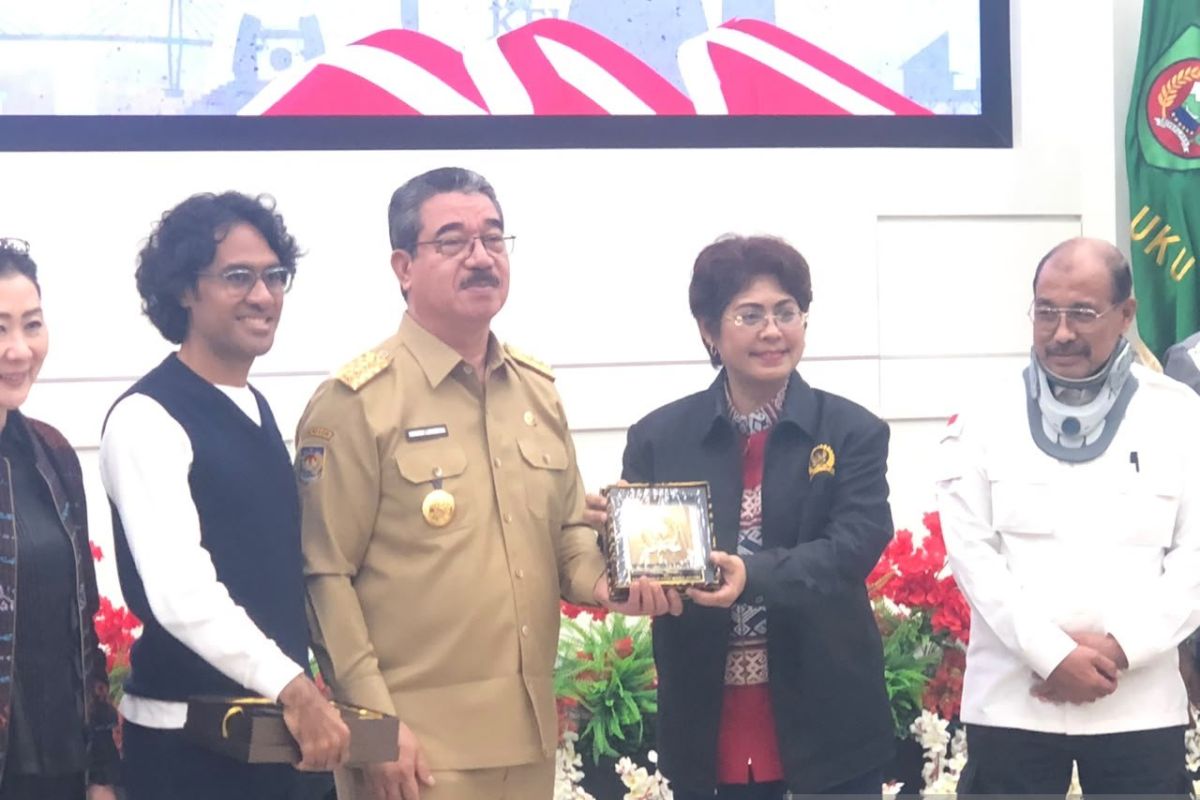
Maluku Governor Hendrik Lewerissa has stated that the Draft Law on Special Archipelagic Regions must strengthen regional authority whilst providing recognition of the characteristics of archipelagic areas in governance and development. “The majority of archipelagic local governments desire the use of the term ‘Draft Law on Special Archipelagic Regions’. The addition of the word ‘special’ is a form of state recognition of the characteristics and development needs of archipelagic regions, which differ from other areas,” Hendrik said during a meeting of the Special Committee for the Archipelagic Region Bill with the Archipelagic Region Working Team in Ambon on Monday. Hendrik, who also serves as Chairman of the Cooperation Agency for Archipelagic Regions throughout Indonesia, stated there are three strategic issues that need attention in refining the bill: the nomenclature of the draft law, the regulation of the Special Archipelagic Fund, and the strengthening of archipelagic regional authority. According to him, strengthening authority is one of the main substances being fought for so that archipelagic regions have the flexibility to manage resources and address the development challenges they face. “This bill must provide space for archipelagic regions to obtain additional authority beyond that regulated in existing legislation. This is important so that regions can optimise their potential according to their characteristics, as well as strengthen regional authority,” he said. He explained that this strengthening of authority is expected to support the acceleration of development in archipelagic areas, which have long faced challenges such as limited access, high logistics costs, and inter-island development disparities. In addition, he noted that the substance regarding the Special Archipelagic Fund has also been clearly regulated in the draft law. The fund is a special allocation outside of general transfer funds, prioritised for maritime economic development and the development of land, sea, and air infrastructure to improve connectivity in archipelagic regions. He expressed hope that this funding scheme would become an important instrument in accelerating equitable development and improving services to communities in archipelagic areas. Hendrik also invited all stakeholders to study the substance of the bill thoroughly, as it is considered to have accommodated various aspirations of archipelagic local governments. He hopes the discussion of the bill can be completed soon so that 2026 can be the momentum for the enactment of the Archipelagic Region Law.