
Maltreated in Europe, Indonesian Researcher Wooed and Poached by China
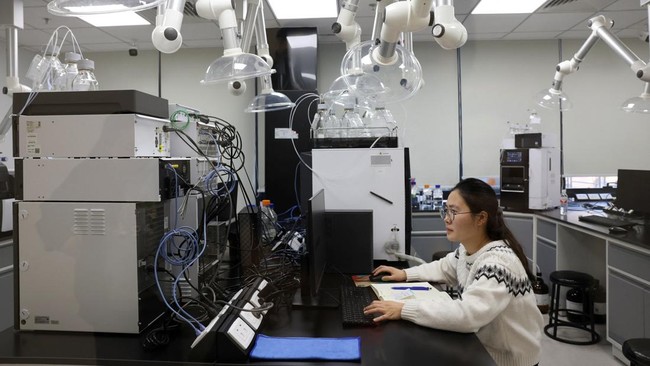
Europe’s position as the global centre for biotechnology research and development is increasingly being displaced by China. This shift is also felt by an Indonesian researcher who, after being mistreated by a European company, was pursued and offered far higher remuneration by a Chinese firm.
Indonesian researcher Bramasta Nugraha has extensive experience working in the biotechnology industry across various European countries, from Switzerland and Sweden to Denmark. His research on cardiovascular cell therapy caught the attention of the pharmaceutical giant Novo Nordisk.
However, the turmoil from US President Donald Trump’s tariffs prompted policy changes at Novo Nordisk. In September 2025, 9,000 Novo Nordisk employees were laid off.
Novo Nordisk’s cell therapy development unit was shut down worldwide, including Bramasta’s ongoing research in Copenhagen, Denmark.
“Everything changed; the new CEO is no longer supportive. All cell therapy operations in the US and Denmark were closed. It seems the new management wants everything shut down immediately. In just two weeks, with no transition,” he told CNBC Indonesia.
This sudden policy shocked Bramasta and thousands of other researchers from around the world. Moreover, he and many others who had worked in Denmark for less than three years did not yet have “permanent residence” status.
“We were essentially discarded, forced to leave within a few months and given only a job-seeker visa. Thousands were affected,” said Bramasta.
Amid these difficulties, companies from China offered new opportunities. Recruitment consultants for Chinese firms are aggressively seeking top talent from around the world.
According to CNBC International, China now leads innovation in pharmaceuticals and biotechnology. Major pharmaceutical companies like AstraZeneca are investing billions of US dollars to gain first access to research results in China.
ING data shows that around one-third of all “new molecules” produced globally for drugs originate from China, compared to just 4 per cent a decade ago.
Bramasta revealed that the salary offered by the Chinese company was far higher than any previous offers, even from the world’s largest global firms.
This income comes not only from the recruiting company. China’s central government and the provincial government where the company is based also provide an initial commission (signing bonus) for foreign talent.
“If you sign the contract, there’s a commission from the central government and the provincial government. It’s not just for the talent; the recruiting company also gets a commission. So it’s a win-win for the company and the talent,” said Bramasta.
In addition to higher earnings, China offers support in the form of eased residency procedures. Bramasta and other overseas talents receive a “5 Star Visa” that grants them privileges similar to Chinese citizens.
“It’s already like having Chinese citizenship, renewed after 10 years. I’m not becoming a citizen; I don’t want that. Besides, the visa is not tied to the employment contract. It’s independent,” he said.
China’s biotechnology industry is also developing rapidly. According to Bramasta, in the 14 years since his last visit to China, the changes are very noticeable. China’s high-tech and scientific infrastructure is now on par with the best in other countries.
He believes the Chinese government is aggressively seeking foreign researchers due to differences in educational character between China and other countries, particularly Europe and the US.
“China’s education system successfully produces world-class skilled and expert talent, but it lacks in ‘creativity.’
They need expert manpower to utilise all that infrastructure. From what I gathered in discussions, in China, education is forced memorisation. In Europe, it’s about being creative, not rote learning. The philosophy is, the basics are already known, then developed,” said Bramasta.
Source: jawawa.id (https://jawawa.id/newsitem/maltreated-in-europe-indonesian-researcher-wooed-and-poached-by-china-1776379841)
Originally published by CNBC Indonesia (https://www.cnbcindonesia.com/tech/20260416122000-37-727290/dizalimi-di-eropa-peneliti-indonesia-dirayu-dan-dibajak-china), translated from Indonesian