
Malinau Regency Proposes Electricity Expansion for Remote and Border Areas
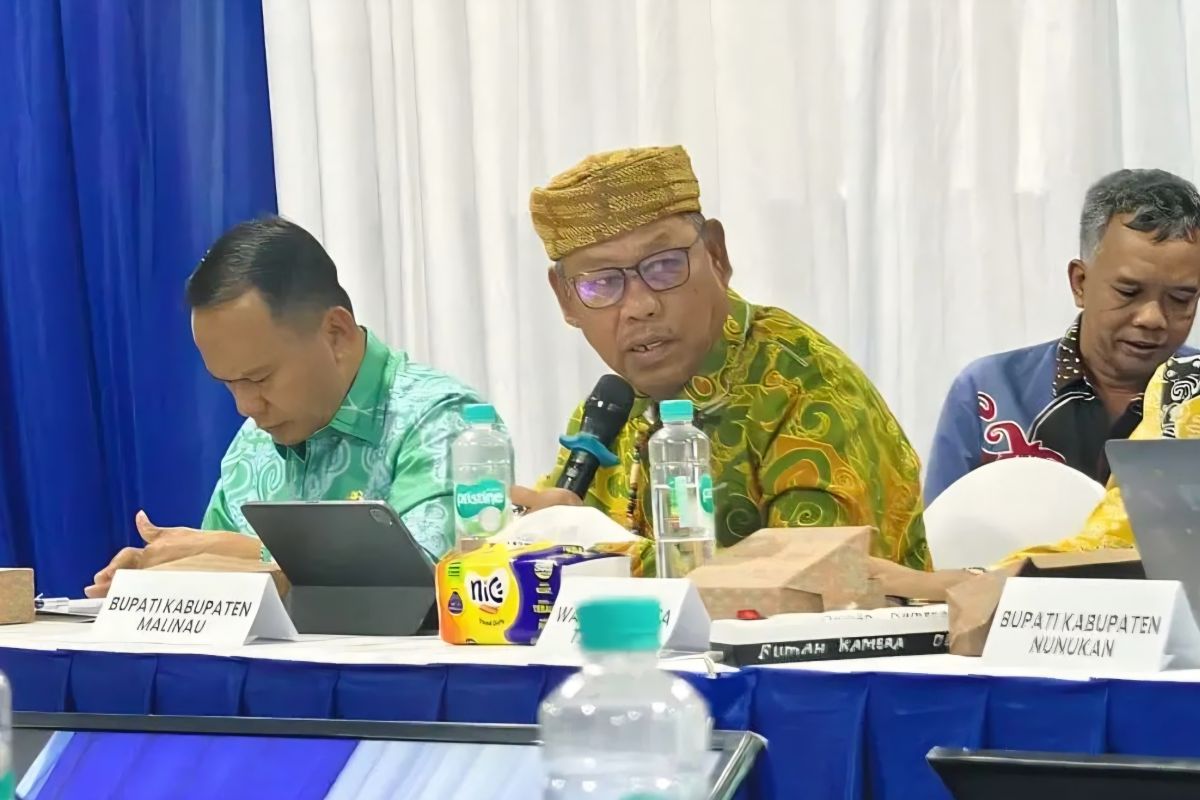
Malinau, North Kalimantan (ANTARA) - The Deputy Regent of Malinau, Jakaria, stated that the Malinau Regency Government in North Kalimantan is proposing the fulfilment of electricity needs in remote and border areas.
“We submitted this proposal during a synchronisation meeting regarding proposed locations for the Village Electricity (Lisdes) programme from local governments, as well as facilitating land preparation and the completion of Lisdes permits in Tanjung Selor, on Thursday (17/09/202cap)”, said Deputy Regent Jakaria in Malinau, North Kalimantan, on Friday.
The meeting, organised by the Directorate General of Electricity of the Ministry of Energy and Mineral Resources (ESDM) at the PT PLN (Persero) UP3 Kaltara Office in Tanjung Selor, Bulungan Regency, invited all regional heads across North Kalimantan as part of the Village Electricity (Lisdes) programme for 2026-2029.
According to the Deputy Regent, he presented the current electrical conditions in Malinau Regency, which still face several challenges, particularly in remote and border regions.
Jakaria explained that Malinau Regency possesses a very vast territory with quite difficult geographical conditions. The region is divided into 15 districts, with six districts located around urban centres and nine other districts situated in remote and border areas.
Regarding the electrical situation in urban areas, he noted it is relatively good as approximately 95 per cent of urban areas have received electricity. In addition to PLN support, lighting is also strengthened through solar street lighting programmes based on new and renewable energy (EBT).
“In urban areas, it is relatively safe and bright. About 95 per cent is already electrified, including support from solar street lights,” he said.
However, he continued, the situation is different for communities in remote and border areas. He noted that although some areas have power plants, the electricity supply cannot run 24 hours a day like in urban areas.
According to him, one of the main obstacles is the availability of fuel (BBM) for power plant operations. Malinau’s vast and difficult-to-reach geography makes fuel distribution a significant challenge.
In fact, Jakaria stated that some fuel requirements for power plants in border areas have historically relied on supplies from Sarawak, Malaysia. This situation is further complicated by obstacles on the cross-border routes used for the movement of goods and people.
“If fuel must be sent from Malinau, the route is very difficult. It can be via air or must detour through East Kalimantan, from Samarinda, Long Bagun, to Mahakam Ulu. It can take one to two weeks, and fuel costs can reach around Rp40,000 per litre,” he revealed.
Therefore, Deputy Regent Jakaria stated that the Malinau Regency Government continues to push for long-term solutions to meet the electricity needs of communities in remote and border areas.
During the synchronisation meeting for the Lisdes programme locations, the Malinau Regency Government submitted approximately 18 proposals for electricity fulfilment in 2027. These proposals include the construction of electricity networks to unserved areas and the addition of power generation engines with specific capacities to meet power demands in several regions.
Deputy Regent Jakaria hopes that the 18 proposed electricity fulfilment points can be realised through support and special policies from relevant parties, given that the need for electricity in remote and border areas is urgent.
“We hope the submitted proposals can be fulfilled. The conditions on the ground indeed require special policies as they involve the basic needs of communities in remote and border areas,” he said.