
Malaysia-Thailand Trade Tensions Heat Up as PM Demands Emergency Talks
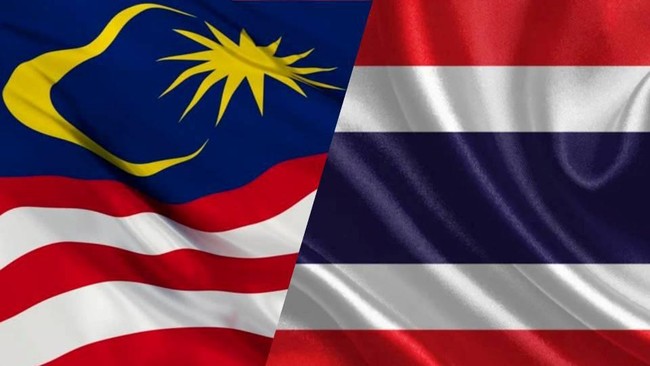
Prime Minister Anutin Charnvirakul has pushed for emergency high-level talks with the Malaysian government following Kuala Lumpur’s unilateral policy to impose a temporary import ban on five shrimp species from Thailand. The protectionist move has triggered mass panic in Bangkok, as it is deemed to threaten the livelihoods of hundreds of thousands of local farmers and the supply chain of the seafood industry. Prime Minister Anutin immediately issued firm instructions during a cabinet meeting.
The Thai government warned that prolonged trade restrictions would hit commodity prices at the farm level and damage the economic stability of the national fisheries sector. Government spokesperson Ratchada Thanadirek expressed deep concerns. “If this issue is allowed to continue, it could affect shrimp prices at the farm level and the income of small-scale farmers,” she said in an official statement.
To anticipate more systemic impacts, Prime Minister Anutin instructed his key ministers, including Commerce Minister Suphajee Suthumpun, who also serves as Deputy Prime Minister, and Agriculture and Cooperatives Minister Suriya Jungrungreangkit, to immediately take trade diplomacy steps. They were ordered to hold urgent discussions with Malaysian authorities to find a mutually beneficial bilateral trade solution.
Thanadirek added that the head of government does not want the upstream fisheries sector to become a victim of trade regulation tensions between the two neighbouring countries. She affirmed the prime minister’s full commitment to protecting workers in the industry. “The prime minister stressed that this problem must not become a burden borne solely by farmers, because the shrimp industry supports the entire supply chain, including farming, collectors, processing plants, exporters, and a vast workforce,” Thanadirek stated.
As a domestic mitigation measure, Thailand has also ordered relevant agencies to cushion the impact of Malaysia’s import restrictions. Prepared scenarios include stabilising prices at the farm level to cover production costs, managing potential oversupply in the domestic market, and accelerating efforts to seek alternative export markets outside Malaysia. The financial impact of Malaysia’s policy is projected to severely hit Thailand’s foreign exchange, given the large trade volume between the two countries. Thailand typically exports around 6,000 to 8,000 tonnes of shrimp to Malaysia annually, accounting for approximately 5 per cent of Thailand’s total global shrimp exports. The boycott could potentially wipe out Thailand’s revenue by more than 4 billion baht, or around US$122.1 million, per year.