
Malaysia Looks to Adopt Indonesia's LMKN Model for Music Royalty Management
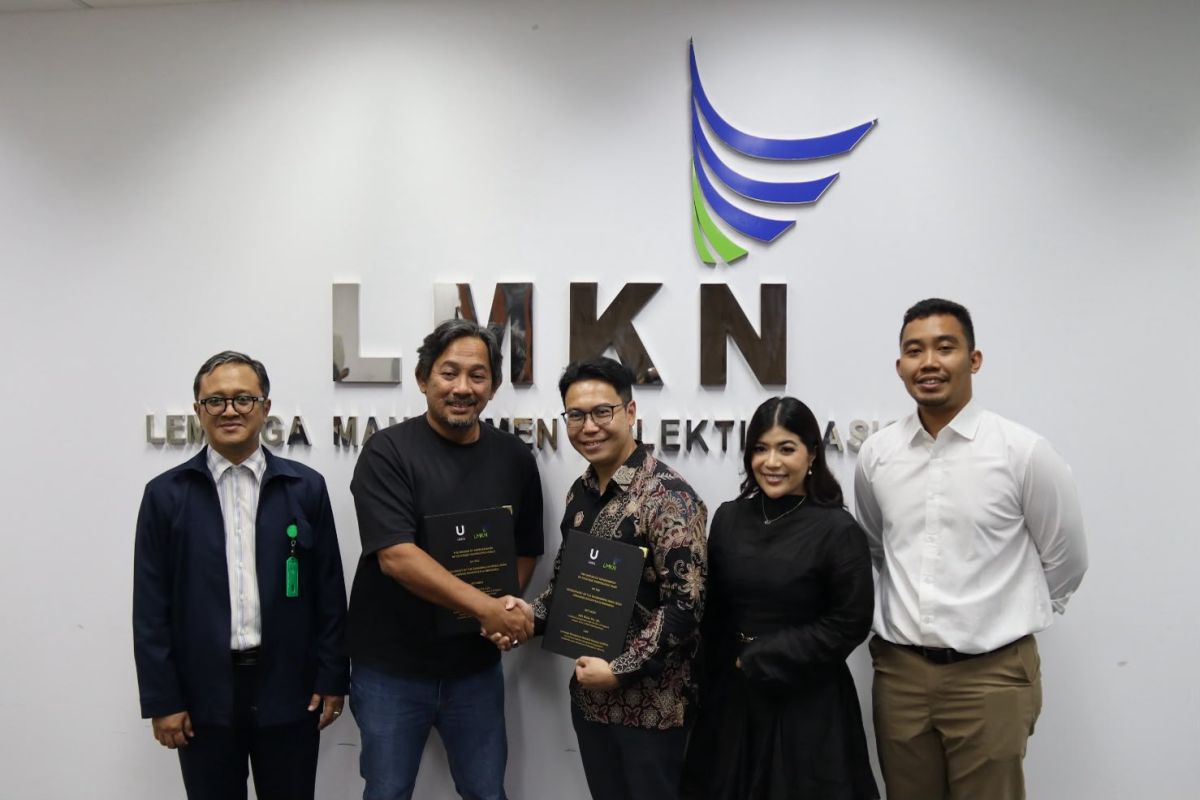
The model of music royalty collection management in Indonesia through the National Collective Management Agency (LMKN) has become a reference for implementation in Malaysia. The Malaysian Artistes Association (Karyawan), a body representing creative industry workers in the neighbouring country, stated during its annual general meeting that it is urging the Malaysian government to take control of the royalty collection and distribution mechanism, similar to Indonesia’s approach. “This resolution proposes that Malaysia follow the model implemented by Indonesia, where similar issues were eventually resolved by the Indonesian government taking over all royalty collection from existing collecting bodies,” said Karyawan President Freddie Fernandez in a statement quoted on Tuesday.
Fernandez explained that Indonesia established an entity named the National Collective Management Agency (LMKN) which manages all public performance royalty collections efficiently and transparently. He believes the current moment is opportune for Malaysia to implement a similar system to update the royalty collection and distribution framework in a fair, transparent, and accountable manner, especially given that Malaysia’s annual public performance royalty collections amount to nearly RM200 million (approximately Rp878 billion). He stressed that for years, the Malaysian music industry has faced recurring complaints regarding royalty transparency, high administrative fees, fragmented collection structures, disputes among collective management organisations, and dissatisfaction among artists, composers, lyricists, performers, producers, and recording owners over whether royalties are distributed fairly and efficiently.
Consequently, Malaysian creative industry activists are proposing that the government take the initiative to create a centralised digital royalty management platform under government leadership. This would serve as a trusted national backbone for music rights registration, usage tracking, royalty calculation, and distribution. “The proposed platform will function as a national music rights library and a government-managed royalty distribution system, where every musical work, sound recording, rights ownership structure, licensing track record, usage report, collection amount, and distribution payment is recorded, verified, and auditable,” he elaborated. Through this system, every song played can be matched with the correct rights holder, and royalties can be calculated and distributed automatically based on verified ownership data and actual usage. “This will minimise overlaps across various administrative layers and provide a clear audit trail for the government, rights holders, users, and authorised stakeholders. It will also, to some extent, control the use of AI-generated music—something that is highly likely to occur if no action is taken,” he added. According to him, a government-supervised royalty collection model would also directly support the spirit and policy direction of the 2025 Copyright (Collective Management Organisations) Guidelines by strengthening governance, transparency, record-keeping, reporting, accountability, and fair royalty distribution. This is believed to ensure that composers, lyricists, performers, producers, recording owners, and other entitled beneficiaries receive their respective shares based on verified rights and actual usage data.
Source: jawawa.id (https://jawawa.id/newsitem/malaysia-looks-to-adopt-indonesias-lmkn-model-for-music-royalty-management-1782768023)
Originally published by Antara (Indonesian) (https://www.antaranews.com/berita/5628124/manajemen-royalti-musik-lmkn-indonesia-menjadi-rujukan-di-malaysia), translated from Indonesian