
Malaysia Implements WFH to Reduce Fuel Consumption, Civil Servants Can Work from Anywhere
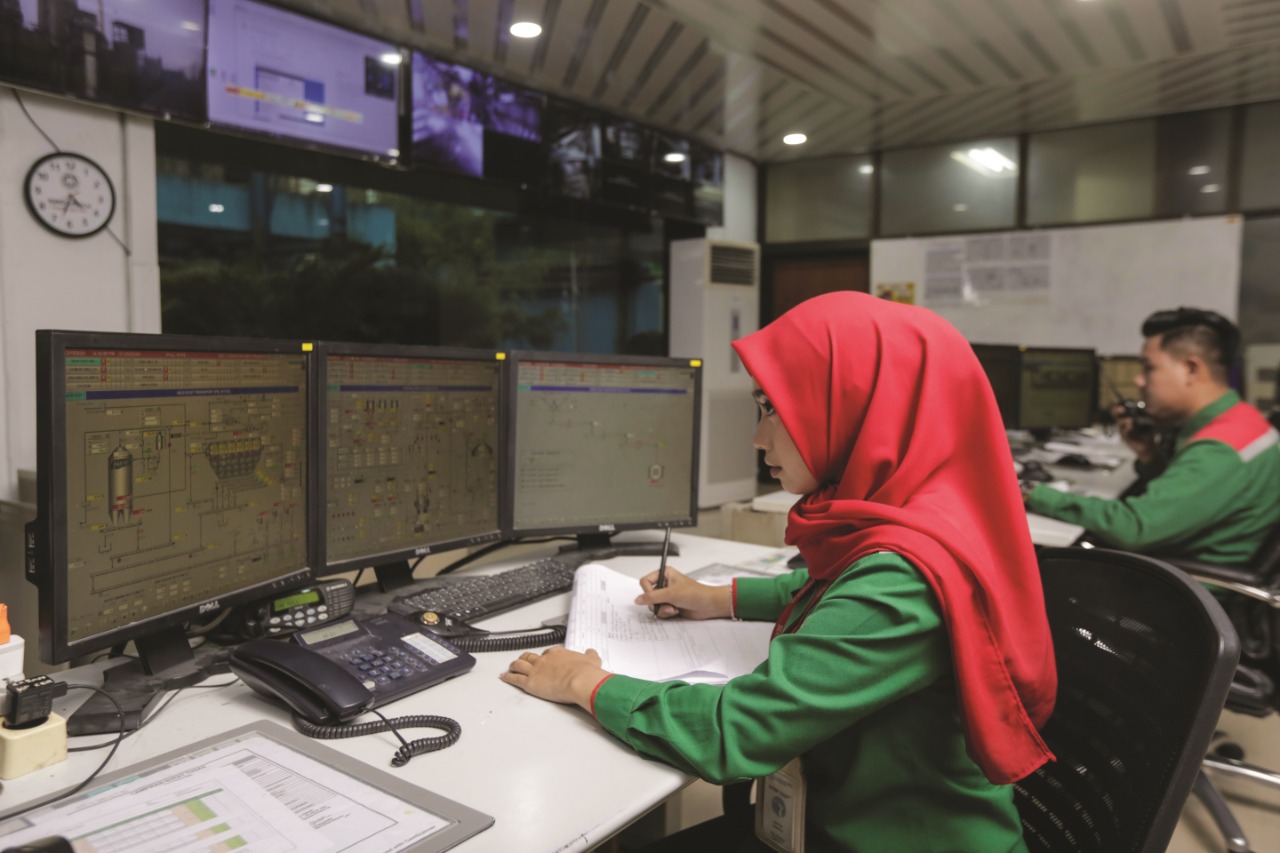
The Malaysian government has officially announced a work-from-home (WFH) policy for civil servants as a measure to reduce fuel usage among state apparatus. Malaysian Communications Minister and government spokesperson Fahmi Fadzil stated that the policy is expected to lower energy consumption, particularly from employee travel activities. “The hope is to see savings in fuel usage by civil servants,” said Fahmi Fadzil during a press conference in Putrajaya, Malaysia, on Wednesday (8/4). He explained that the WFH policy will not apply across all sectors. Certain essential areas such as education, security, health, and other sectors will still be required to work from the office if deemed necessary by the Chief Secretary to the Government or the Director General of Public Service. “For the communications sector, for example, we leave it to the department head to assess,” Fahmi said. Furthermore, Fahmi emphasised that as long as core services are not disrupted, civil servants can still perform their duties flexibly, including using only mobile devices. “We can work WFH, work from handphone. I believe during this WFH period, colleagues, especially from the information department and others, can still work from wherever they are,” Fahmi said. The WFH policy for Malaysian civil servants is planned to take effect from 15 April 2026. The local government will also soon release technical implementation guidelines. On the other hand, Indonesia has already adopted a similar policy earlier. The Indonesian government has implemented a work-from-home system specifically every Friday for civil servants. Indonesian Communications and Digital Minister Meutya Hafid stated that the WFH implementation starting from 1 April 2026 is part of efforts to transform the work culture within the government environment, aiming to increase efficiency and optimise digital technology.