
Malaysia Concerned as Indonesia's New Palm-Oil Export Policy Triggers Price Volatility
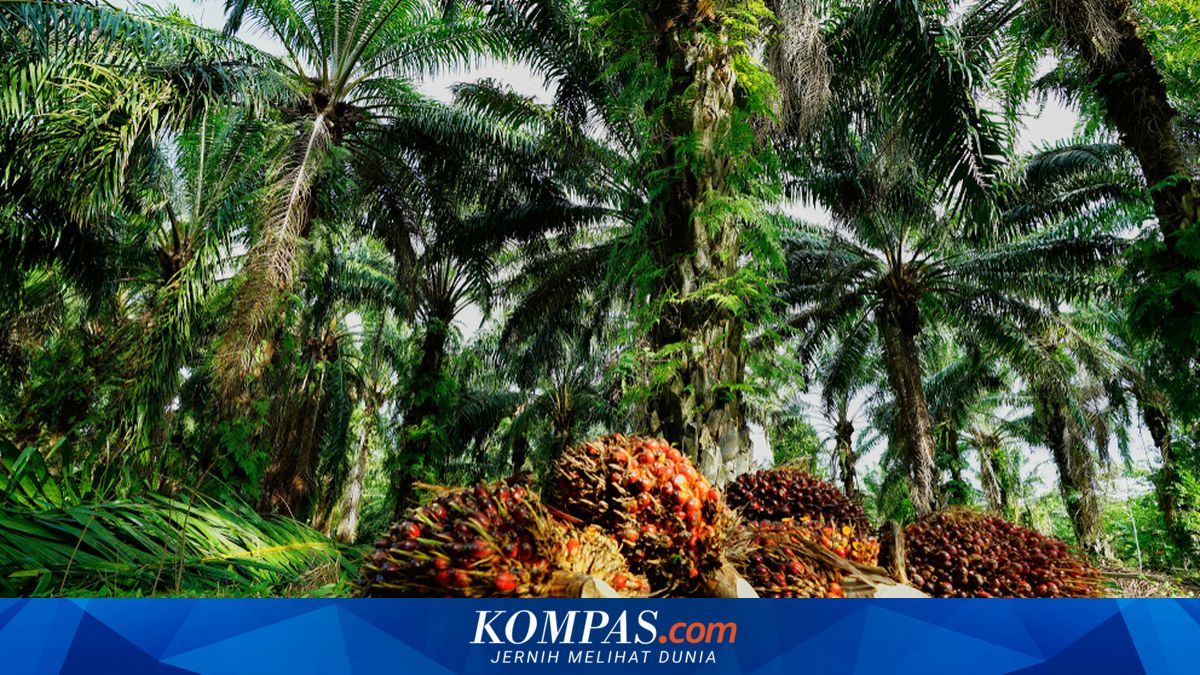
Indonesia’s government plans to centralise exports of several strategic commodities, including crude palm oil (CPO), which has sparked concerns among Malaysia’s palm-oil industry players. They say the policy could disrupt global trade flows and trigger volatility in world vegetable oil prices in the short term. The concerns arose after President Prabowo Subianto announced the government’s plan to appoint a single state institution as the exporter for major Indonesian commodities, such as palm oil, coal, and ferroalloys. Indonesia is the world’s largest exporter of palm oil, accounting for more than half of global trade. Consequently, the change in the export mechanism could affect international supply chains and the formation of global vegetable oil prices. Malaysian palm-oil industry players say the transition to a centralised export system could trigger shipment delays and market uncertainty, especially in the early stages of policy implementation. However, the changes to Indonesia’s export administration are considered likely to cause temporary delays in shipments. “This could affect the dynamics of key markets such as price, reliability, and sourcing strategies,” said Ahmad Parveez, quoted by Reuters on Friday (22 May 2026). He said international buyers are likely to diversify sourcing to anticipate delays or inefficiencies during the policy transition. According to him, export delays and price volatility are major concerns for industry players. Roslin said Malaysia could stand to gain from the situation as it is believed to have a more stable and predictable export framework. “Buyers may seek more reliable suppliers during the transition period in Indonesia,” he said. Also read: Coal and Palm Oil Exports via State-Owned Enterprises to Start 1 June 2026.