
Malaysia Bans Social Media for Children, Privacy Concerns Arise
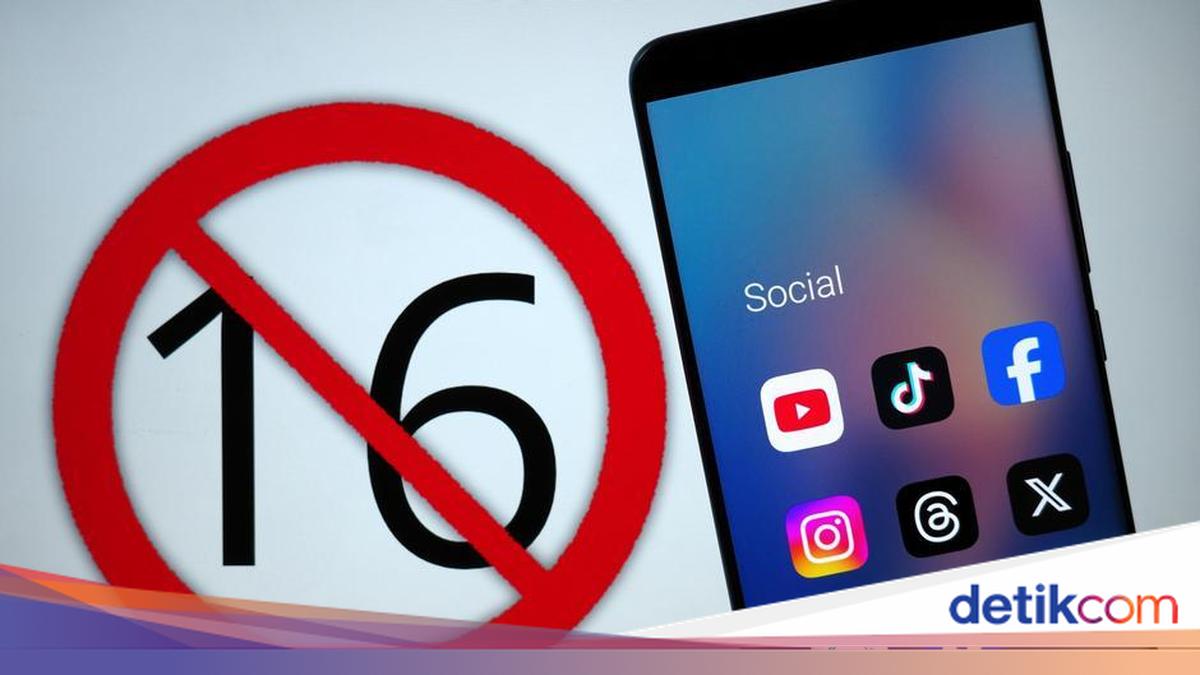
The new regulations mandate that large social media companies prevent individuals under the age of 16 from registering for or maintaining accounts. Platforms are also expected to verify user ages and strengthen protections against harmful content, cyberbullying, grooming, fraud, and features designed to trigger addiction.
With approximately 8 million of Malaysia’s 36 million residents under the age of 16, the Malaysian government maintains that this policy aims to protect children rather than severing their access to technology entirely. The government argues that stricter regulation is necessary as children become increasingly vulnerable to online risks, noting that parents struggle to monitor activities on platforms designed to maximise user engagement.
The rules apply to major platforms such as Facebook, Instagram, TikTok, and YouTube, placing much of the enforcement responsibility on these multinational technology companies. Malaysia follows a growing global trend; Australia recently banned social media for under-16s, and Indonesia implemented similar restrictions earlier this year on platforms including YouTube, TikTok, and Roblox.
Prime Minister Anwar Ibrahim has stated that such measures are necessary following an increase in serious crimes involving teenagers. He previously linked social media usage to a tragic case involving a 14-year-old boy who fatally attacked a 16-year-old schoolmate.
According to the Malaysian Communications and Multimedia Commission, the age verification process for existing account holders will be implemented gradually over the next six months. Users identified as being under 16 will have one month to download or transfer their data, such as photos and videos, before account restrictions are applied. Companies that fail to comply could face fines of up to 10 million Malaysian ringgit (approximately £1.7 million). The government has clarified that parents will not face sanctions if their children manage to bypass the rules.
However, the policy has faced criticism from digital rights activists and some parents regarding its effectiveness. UN High Commissioner for Human Rights, Volker Türk, suggested that children could easily circumvent such bans, potentially pushing them into even more unregulated and risky digital spaces.
Selvakumar Manickam, Professor and Director of the Cybersecurity Research Centre at Universiti Sains Malaysia, told DW that the ban might not be fully effective, as children often use fake birth dates or family accounts to bypass age requirements. However, he noted that the regulation could force platforms to implement more robust age verification systems and take greater responsibility for protecting young users. He emphasised that the policy’s success depends on being supported by digital literacy education, parental involvement, and stricter regulations on platform design.
Concerns regarding privacy have also been raised. Tricia Yeoh, Associate Professor at the University of Nottingham Malaysia, noted that the required verification methods—such as submitting official identity documents like passports—could potentially infringe upon user privacy rights.