
Malaria Surge, UGM Professor Warns of Dual Zoonosis Threat
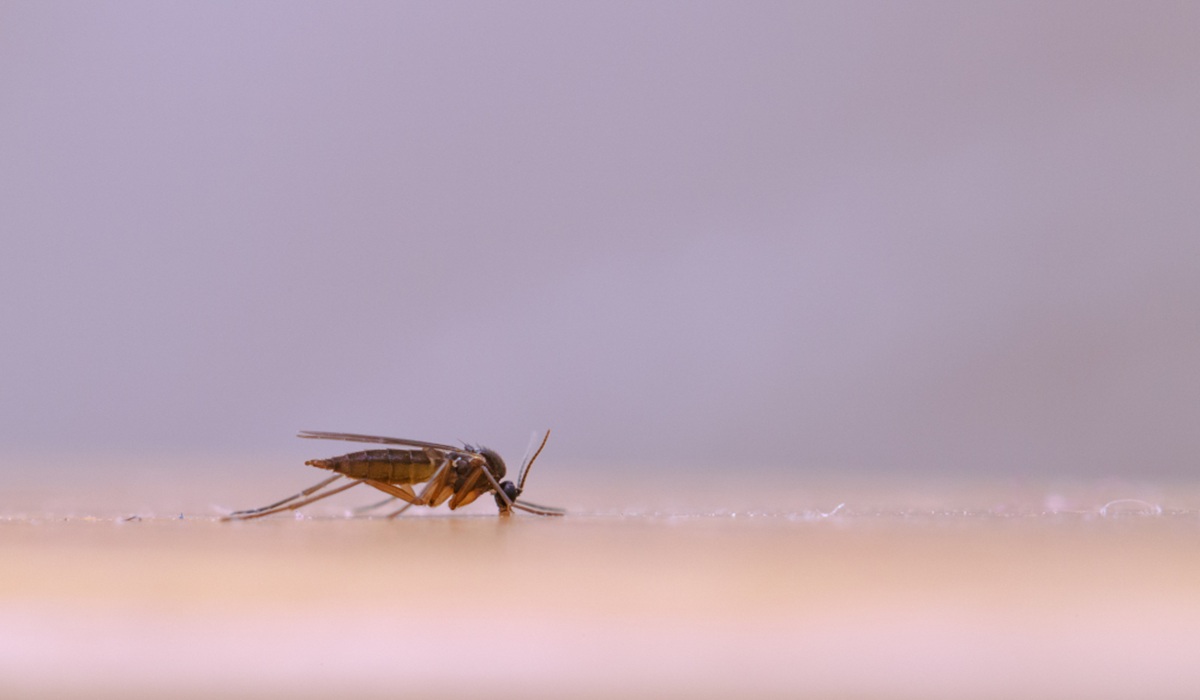
Malaria cases in Indonesia are continuing to rise. Wisnu Nurcahyo, Professor at the Faculty of Veterinary Medicine, Universitas Gadjah Mada (UGM), says the surge cannot be separated from environmental factors and the zoonosis threat, which has long been under serious attention.
Wisnu explains that Anopheles mosquitoes, the vectors for malaria, depend on environmental conditions to breed. In eastern Indonesia, particularly Papua, geographic conditions such as high rainfall, mountainous terrain, and abundant clean-water standing water create ideal habitats for malaria vectors. As a result, around 95 percent of national malaria cases remain concentrated in that region.
‘Mosquitoes depend heavily on environmental factors. In other words, they can live and multiply well when the environment supports it. This makes malaria in various parts of Indonesia hard to control,’ Wisnu said on Wednesday (21/5).
Similar conditions are found in Kalimantan, Sumatra, and the Menoreh Mountain area in Kulon Progo that still have endemic malaria.
From a veterinary health perspective, Wisnu highlights the zoonosis threat of malaria that is often overlooked. One of the most worrisome is Plasmodium knowlesi, a parasite that naturally lives on primates such as long-tailed macaques and orangutans, and can be transmitted to humans via Anopheles mosquito bites.
‘In humans, Plasmodium knowlesi is highly pathogenic. It can cause high fever within one to two days, and if not treated promptly it can be fatal,’ he emphasised.
Challenges in malaria control are further compounded by the fact that some old drugs like quinine are no longer effective due to parasite resistance. Healthcare workers now have to use newer, more expensive drugs with more complex distribution.
In remote areas, limited access and security concerns often delay diagnosis and treatment, whereas malaria can progress to severe conditions very quickly.
Wisnu emphasised that successful malaria control cannot be the sole responsibility of the human health sector. The malaria elimination target by 2030 can only be achieved if a One Health approach is implemented consistently, involving animal health and environmental health as a single integrated unit.
‘We must work together, collaborate, and coordinate. Do not let human health go its own way, animal health go its own way, and the environment go its own way. One Health should not end as a slogan,’ Wisnu concluded.
Health Ministry data records 706,297 malaria cases in 2025, up 30 percent from 543,965 cases in 2024. (H-4)